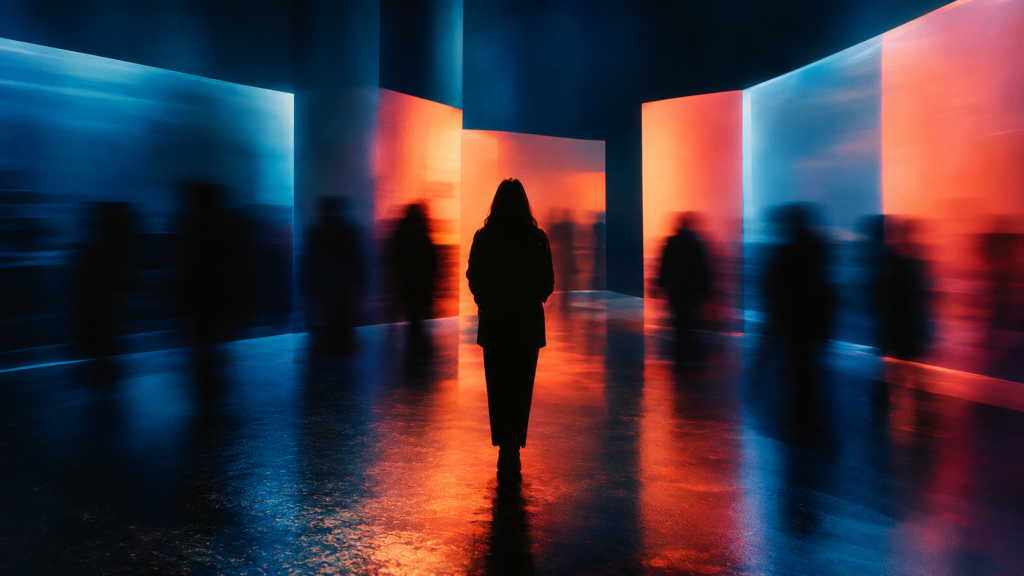
Swap the Model Unit for an Immersive Experience Comments Off on Swap the Model Unit for an Immersive Experience 916

experiência

Experience is a decisive factor in today’s market. Whether or not they realize or admit it, consumers are looking for a unique, standout experience, especially when they’re just one step away from making a dream come true.

Buying a home, for example, is the dream of millions of people across Brazil and around the world, and to start turning that dream into reality, many buyers visit real estate sales centers with model units to learn more about what’s on offer.

The power of a model apartment is so great that, in 2022, according to Opus Incorporadora, a Brazilian real estate developer, 52% of the inventory apartments sold were furnished model units.

That’s because consumers are increasingly demanding when they decide to buy a product or service. They don’t want mere words from salespeople; they want living proof of what they’ll get by buying from that company.

With that in mind, today we’ll look at how investing in an immersive experience in your model unit can directly shape how consumers perceive your product and increase the chances of closing the deal.

The limitations of the traditional model unit in the user experience

Today, in an increasingly fast-paced and automated world, when we think of the traditional model unit seen in sales centers across Brazil, we find a format with limitations that can negatively affect the user experience for a number of reasons.

These problems relate both to the physical aspects of the space and to how well it meets buyers’ emotional and practical expectations. After all, they aren’t just looking at a party room; they’re looking at the space that will become the new home for them and their families.

One of the main problems is the lack of personalization: a traditional model unit is designed to appeal to as many people as possible, but that may not reflect the buyer’s individual style, needs, or tastes.

Customers may struggle to picture themselves living in that space, which undermines the emotional connection needed to move forward with the purchase, a crucial factor in whether a prospective buyer closes with you or not.

On top of that, model units take up physical space and often don’t represent all the floor plan options available in the development. Customers can only see one specific configuration, which limits their understanding of the customization possibilities.

Not to mention that this type of model unit offers a static experience that relies solely on sight and physical perception. In other words, buyers don’t get the chance to explore personalized details, such as finish combinations, changes to the furniture layout, or adjustments to the floor plan.

And of course, we can’t fail to point out that customers may be disappointed to find out that the apartment they bought won’t come with the same furniture, finishes, or items shown in the model unit. This can create misaligned expectations and lead to dissatisfaction with the buying process.

Of course, the traditional model unit as we’ve known it has its value and has played a vital role in letting many consumers see what they were buying and enjoy a unique experience at the moment of purchase.

However, we know full well that times have changed and that, today, an experience built on technology and immersion has a far greater impact on the purchase decision.

That’s why replacing your traditional model unit with an immersive experience can be a game changer for your business, and that’s exactly where Alice Wonders comes in to show you a world of possibilities.

Immersive experiences to invest in for your model unit

According to data from Zendesk, a software company that provides customer service solutions, in its CX Trends report, which covers the leading trends in customer experience, 61% of customers expect increasingly immersive experiences throughout the buying journey.

This shows the power of investing in immersive experiences, including in the real estate sector and in the shift in how model units are conceived and designed. With that in mind, check out some trending ideas below to inspire you and invest in for 2025:

1 – Magic Floor

The first solution we’ve picked is Magic Floor, which projects apartment floor plans directly onto the floor, at full scale. From there, customers can interact with the space, changing finishes, rearranging furniture, and walking through the projected rooms.

Instead of physically visiting different model apartments, customers can experience and visualize a virtual space on the floor. This creates a sense of immersion and personalization without leaving the sales center, letting customers explore different design and layout possibilities interactively.

Check out one of our projects featuring this solution:

2 – Interactive Gallery

The interactive gallery, in turn, uses interactive panels and projections to showcase a development’s sustainability features and architectural details. Customers can “walk” through a virtual version of the model unit or the building, interacting with key elements.

This solution stands out thanks to some unique differentiators, such as sustainability and modern design. It creates a memorable experience that builds an emotional bond between the customer and the project, a crucial factor in the purchase decision, while providing a clear, interactive view of the development.

Check out one of our projects featuring this solution:

3 – 4D Model Unit

4D technology is already claiming significant ground, and not just in movie theaters, but in real estate as well. The 4D room offers prospective customers a complete sensory experience, combining interactive projections with simulations of natural light throughout the day and ambient sound.

This creates an immersive feeling that lets customers “live” the property. In a model unit, 4D technology allows customers to experience different lighting scenarios and soundscapes, helping convey a real sense of what it would be like to live there.

Being inside the place that could become your new home is an experience that creates an immediate, deep emotional connection with the space, making the customer’s perception of the project innovative and personalized.

Check out one of our projects featuring this solution:

4 – Immersive Room

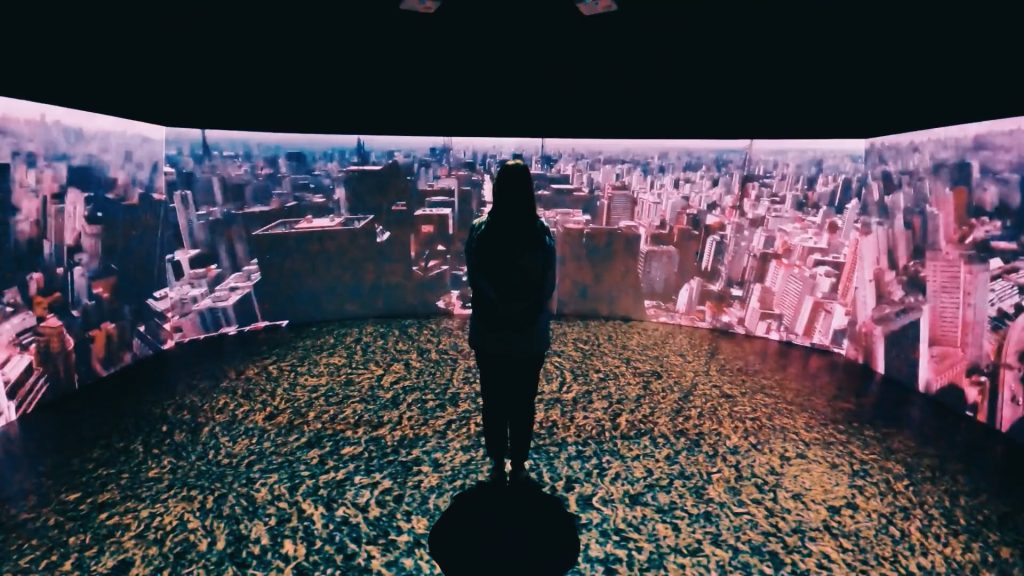
Last but far from least, there’s the immersive room, which uses projections and sound to simulate the experience of living in the property. Customers can explore both the apartments and the common areas, and even take in panoramic views of the city.

This strategy lets customers experience the property as if they were already living in it. It makes the project’s differentiators, like location and comfort, more tangible, helping to strengthen the purchase decision by letting customers see the property in detail.

Check out one of our cases featuring this solution:

These were some of the solutions trending in the market, all of them, of course, provided by Alice Wonders, to revolutionize your prospective customer’s experience and your model unit space, creating something unique and innovative in the market.

Conclusion: invest in the model unit experience

By now, it’s clear that replacing a traditional model unit with an immersive experience is much more than just a change in format or presentation. It’s a revolution in the way consumers connect with real estate developments.

This transformation not only offers a more realistic and interactive view of the space but also creates a stronger emotional connection with the customer, optimizing their buying journey. The immersive experience lets customers explore the property more dynamically, personalize the space, and get a clearer, more engaging picture of what awaits them.

If this change makes sense for you, Alice Wonders is the ideal partner for the transition. With expertise in developing immersive experience solutions, we offer innovative technologies that make the buying process more tangible and unforgettable.

Alice Wonders helps create an environment where customers can live the future of the development before it’s even built, delivering a unique and unforgettable experience. With a personalized, customer-centric approach, we make the shift from the traditional model unit to the immersive experience an easy, effective, and highly rewarding journey.

Inscreva-se em nossa Newsletter

Receba no seu email todas as novidades do nosso blog sobre tecnologia e varejo, além de ficar por dentro do novos projetos Alice Wonders.

Thank you for subscribing.

Something went wrong.

Previous ArticleNext Article

Main Character Spaces: learn how to create a personalized space 0 766

Espaço imersivo com pessoa no centro de uma experiência personalizada

Have you ever walked into a space and felt like everything in it had been designed just for you? From the way the elements are arranged to the way an experience unfolds, some environments manage to create an almost instant connection with the people inside them. And that doesn’t happen by chance.

At a time when consumers are already used to personalized experiences in the digital world, physical spaces need to evolve too. More than grabbing attention, they need to create identification, interaction, and a sense of belonging.

This is where the concept of Main Character Spaces comes in: spaces that put consumers at the center of the experience and make them truly feel like the protagonist.

Today, we’ll take a deeper look at this concept and explore how to create spaces that spark instant identification with your audience. Let’s dive in!

What are Main Character Spaces?

The concept of Main Character Spaces starts from a simple idea: turning the physical space into an experience in which consumers aren’t just spectators, but an active part of the story. That means creating environments where people can interact, discover, choose, and see themselves.

In retail, this approach marks an important shift. The store stops being just a place to display and sell products and becomes a space for building relationships between brand and consumer.

And to make that happen, simply adding technology isn’t enough. An environment can be visually striking, generate photos, and get attention on social media. But that doesn’t necessarily mean it has created a meaningful experience.

The difference lies in intention. While an Instagrammable space is designed mainly to be seen and shared, a Main Character Space is designed to be lived. The question is no longer just “What do we want to show?” but “What do we want this person to experience?”

This change in perspective puts consumers at the center of every decision and turns the space into a brand experience tool.

What makes a space feel like it was made for me?

There’s no one-size-fits-all formula for creating a Main Character Space. But certain elements can help build that feeling of personalization and connection. Here are a few of them:

Personalization

When an experience takes the visitor’s interests, needs, or choices into account, it becomes more relevant. Targeted content, recommendations, and adaptive journeys are some examples of how to create that perception.

Interactivity

Letting consumers take part in the process and interact with their own journey transforms the experience. Responsive screens, sensors, projections, and other technologies can make the environment react to the movements and choices of whoever is interacting with it. Visitors stop merely observing and start shaping part of the experience.

Immersion

A space can also tell a story. Architecture, lighting, sound, audiovisual content, and technology can work together to create an atmosphere that envelops consumers and transports them into the brand’s narrative.

Identification

Perhaps the most important element is helping people see themselves in the experience. When the space reflects their desires, needs, or lifestyle, a sense of belonging emerges. That’s when the consumer thinks, “This was made for me.”

How do you create a Main Character Space?

To create a consumer-centric experience, you need to look at the space strategically. Here are a few steps that can help:

  1. Know your audience: understand their behaviors, needs, and expectations;
  2. Define the experience you want to deliver: think about the emotion consumers should take away with them: discovery, belonging, surprise, trust, or inspiration;
  3. Build a journey: plan what happens from the moment people arrive until they leave the space;
  4. Create moments of participation: the more consumers can interact and make decisions, the more they become the protagonist;
  5. Integrate physical and digital: the experience can start online, happen in the physical space, and continue afterward, creating a more seamless phygital journey;
  6. Use technology with purpose: choose features that truly add to the experience — not just because they’re innovative.

The audience’s space and the future of retail

The rise of Main Character Spaces is part of a broader transformation in retail. Today, consumers aren’t just looking for products. They’re looking for experiences, convenience, identification, and moments that make sense within their journey.

That’s why physical spaces are taking on a new role: they’re no longer just points of sale, but relationship platforms. It’s in this context that concepts like experiential retail, immersive experiences, personalization, and phygital are becoming increasingly relevant.

Technology expands the possibilities, but the goal remains essentially human: creating connections. Creating a Main Character Space means shifting your point of view. It means thinking not only about what the brand wants to communicate, but about what the consumer needs to experience.

At Alice Wonders, we turn technology, creativity, and strategy into experiences that connect people and brands. We create interactive spaces and digital solutions that help companies transform the point of sale into an environment that’s more relevant, immersive, and aligned with their audience’s expectations.

Because when technology meets purpose, a space becomes more than just a place. It becomes an experience. Want to create a space that makes your audience feel like it was made just for them? Click here and talk to Alice Wonders.

Inscreva-se em nossa Newsletter

Receba no seu email todas as novidades do nosso blog sobre tecnologia e varejo, além de ficar por dentro do novos projetos Alice Wonders.

Thank you for subscribing.

Something went wrong.

Magic Room vs. Magic Floor: Concepts and Differences Comments Off on Magic Room vs. Magic Floor: Concepts and Differences 491

Magic Room com projeções imersivas em ambiente físico

Imagine walking into a space and, within seconds, watching the walls and floors transform into images, stories, and possibilities. That’s what Magic solutions like Magic Room and Magic Floor can deliver: experiences that transform environments through technology.

Although both use digital resources to create immersive experiences, each solution has a different purpose.

But which one should you choose for your project? That’s what we’ll cover in this article. Enjoy the read!

What is an immersive experience?

An immersive experience turns the audience from spectators into participants. Projections, audiovisual content, interactivity, architecture, and storytelling work together to create a more engaging journey.

In practice, this means using technology not just to grab attention, but to make information easier to understand, build connection, and make a message memorable. It’s a strategy that can be applied across sectors such as retail, events, architecture, and real estate.

With that in mind, then…

What is Magic Room?

Magic Room turns a space into an immersive experience. Through projections and audiovisual content, walls, floors, and other surfaces come to life and become part of a story.

The goal is to create an experience that transports the audience into the world of a brand, product, or development. The solution can be used for:

  • Real estate launches;
  • Sales booths;
  • Events;
  • Brand activations;
  • Experiential retail;
  • Experience spaces;
  • Product presentations.

In real estate, for example, a Magic Room can showcase not only the features of a development, but also the lifestyle and atmosphere it aims to convey. Click here to check out Alice Wonders’ Magic Room case with Gran Incorporadora!

What is Magic Floor?

Magic Floor, on the other hand, is a floor that becomes the centerpiece of the experience. The technology turns this surface into a visual and, depending on the project, interactive interface. Floor plans, layouts, information, animations, and all kinds of content can be displayed right on the floor.

One especially compelling application is also in real estate: imagine viewing a floor plan at full scale and walking through the rooms, understanding their dimensions far more intuitively. Possible uses for Magic Floor include:

  • Sales booths;
  • Real estate launches;
  • Floor plan and layout presentations;
  • Events;
  • Brand experiences;
  • Architecture projects;
  • Retail activations.

Alice Wonders and Galeria Laguna recently teamed up on a partnership that produced a Magic Floor success story. Click here to see how this technology works in practice!

Magic Room or Magic Floor: which one should you choose?

So, at the end of the day, which one should you choose? It depends on your project’s goal. If you want to tell a story, make an impact, and transport your audience into your brand’s world, Magic Room may be the best solution.

If, however, the goal is to present floor plans and layouts or let people explore a space more interactively, Magic Floor may make more sense.

And you don’t have to pick just one.

Depending on your strategy, the two solutions can be combined to create a complete journey: first, the audience discovers the concept and the story; then, they explore the space and its possibilities.

That’s why, more important than choosing the most impressive technology, is understanding this: what experience do you want to deliver?

Turn your space into an experience

Whether it’s Magic Room or Magic Floor, both show that physical spaces can go far beyond their traditional role. They can present, engage, interact, and tell stories.

At Alice Wonders, we combine technology, creativity, and strategy to develop custom experiences that turn spaces into points of connection between brands and people.

Because your space doesn’t just have to show. It can make your audience live the experience.

Want to find out which solution is right for your project? Click here and talk to Alice Wonders.

Inscreva-se em nossa Newsletter

Receba no seu email todas as novidades do nosso blog sobre tecnologia e varejo, além de ficar por dentro do novos projetos Alice Wonders.

Thank you for subscribing.

Something went wrong.

Most Popular Topics

Editor Picks

Send this to a friend