Turn Your Sales Center into an Immersive Experience 0 76

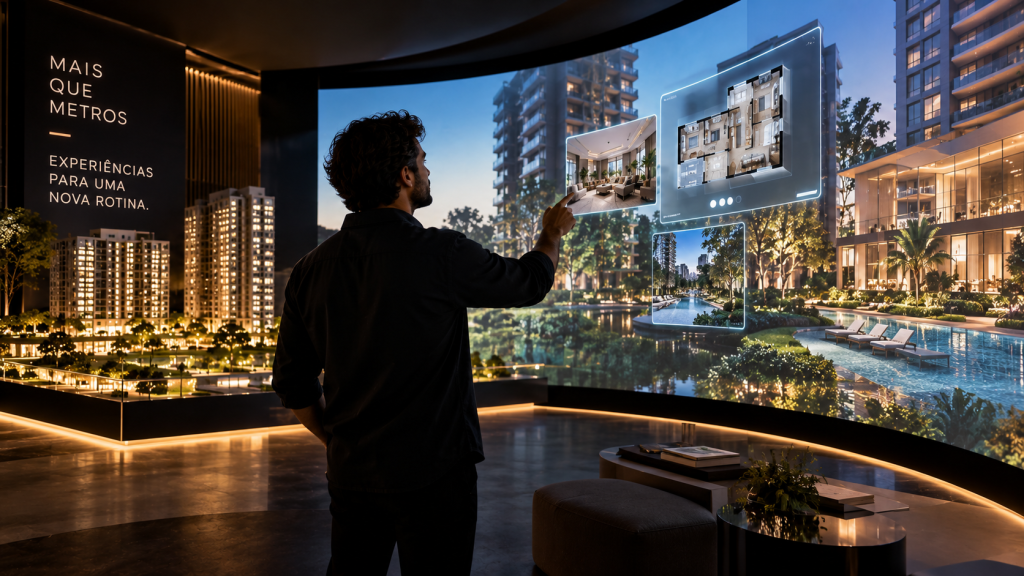
Stand de vendas imobiliário com maquete iluminada, telas interativas e cliente explorando plantas de apartamentos.

The sales center is often a buyer’s first in-person contact with a real estate development. More than showcasing floor plans, renderings, and key features, this space has the opportunity to convey the project’s concept and help visitors imagine what it would be like to be part of it.

But in an increasingly competitive market, presenting information is no longer enough. When different developments are competing for the attention of the same audience, creating an experience that builds connection can be a key differentiator in moving buyers closer to a purchase decision.

The question, however, is: how do you turn a sales center into more than just a presentation space?

In today’s post, we’ll show you how to do it in practice. Enjoy the read! 

The challenge of going beyond the presentation

A sales center can bring together scale models, screens, videos, printed materials, and a well-trained team to present the development. Even so, that doesn’t guarantee the buyer will have a memorable experience.

Too much information can make the journey feel disjointed. Technology used without a clear purpose may grab attention, but it won’t necessarily create connection. And a presentation focused solely on the property’s features can make it harder for visitors to picture that space as part of their daily lives.

That’s why the first step is to shift perspective: instead of thinking only about what the development needs to communicate, you need to think about what the buyer needs to experience, discover, and feel during the visit.

Turn your sales center’s features into experiences

A meaningful experience begins when the project’s differentiators stop being mere information and start being perceived in a more tangible way.

If the development emphasizes green spaces, for example, the environment can use visual and sensory elements that help visitors grasp that concept. If flexible floor plans are a selling point, an interactive tool can let buyers visualize different layout options.

The logic is simple: instead of just saying the development has a certain feature, create ways for buyers to explore it.

This approach brings the sales pitch closer to the experience and helps make abstract concepts easier to understand and remember.

Make buyers part of the journey

A great experience also takes visitors out of the role of spectator. Interactive features can let them explore spaces, compare options, customize rooms, or discover information based on their own interests. That way, each person builds a slightly different journey within the sales center.

Personalization is especially important because it helps answer one of the main questions anyone evaluating a property has: “How does this development fit into my life?”

The more buyers can see themselves in what’s being offered, the greater their perceived value and connection to the project can be.

Use technology with purpose

Augmented reality, virtual reality, projections, interactive screens, and other solutions can transform the dynamics of a sales center. But technology alone doesn’t create an experience.

Every feature needs to be tied to an intention. It can help buyers visualize something that doesn’t exist yet, understand a characteristic of the project, explore different possibilities, or simply make certain information more intuitive.

In other words, technology should enhance the experience — not compete with it.

Think of your sales center as a journey

The experience begins even before the development is presented. The arrival, the ambiance, the visual elements, the touchpoints, and the way information is discovered are all part of the same journey. 

That’s why it’s important to think through the entire path: What sparks curiosity? What helps people understand the project? At what point can buyers interact? What makes the visit memorable afterward?

When these elements are planned in an integrated way, the sales center stops being just a place where the development is presented and becomes an extension of the brand itself.

An experience that builds connection also supports the business

Investing in the sales center experience doesn’t mean putting your sales strategy on the back burner. Quite the opposite.

A well-designed journey can make the development’s differentiators easier to understand, support the sales team’s work, increase visitor engagement, and make the offering more memorable.

The goal isn’t to create a stand-alone attraction, but to build an experience that serves a purpose within the buying journey.

It’s this combination of strategy, creativity, technology, and audience insight that turns a sales center into a meaningful touchpoint between buyer, brand, and development.

Turn your sales center into an experience

Every development has its own story, positioning, and audience. That’s why there’s no one-size-fits-all formula for creating a sales center that builds connection.

At Alice Wonders, we turn brand concepts, product features, and business goals into experiences that bring people and brands closer together. With creativity, strategy, and technology, we create activations that let audiences not just learn about a development, but experience everything it has to offer.

Want to turn your next sales center into an experience that truly brings buyers closer to your development? Get in touch with Alice Wonders and discover how we can create that journey together.

Inscreva-se em nossa Newsletter

Receba no seu email todas as novidades do nosso blog sobre tecnologia e varejo, além de ficar por dentro do novos projetos Alice Wonders.

Thank you for subscribing.

Something went wrong.

Previous ArticleNext Article

Experience: The New Competitive Advantage 0 110

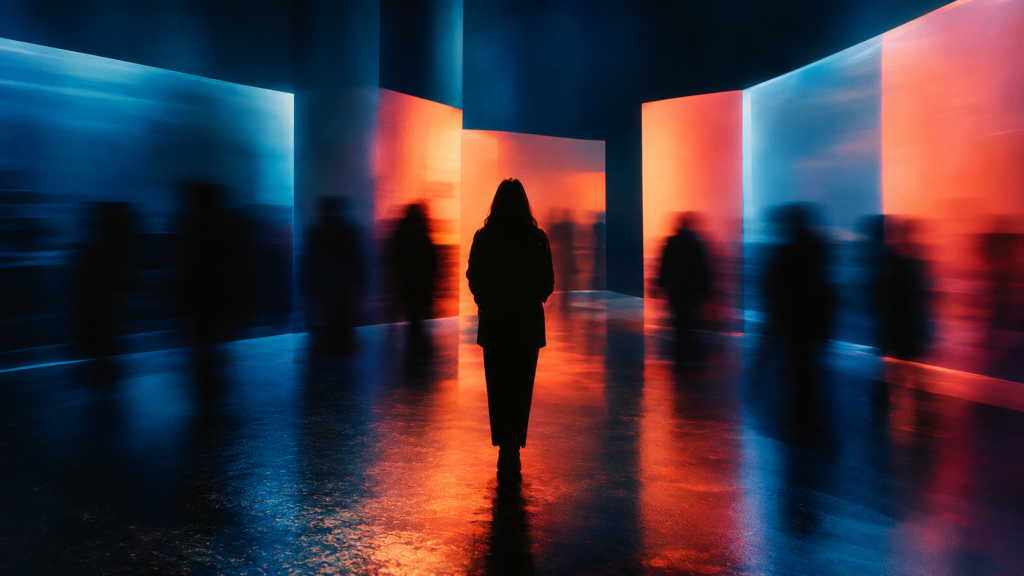
Experiência imersiva em espaço tecnológico como diferencial competitivo para marcas

For a long time, experience took a back seat when it came to competitive advantage. Many brands competed on what was easiest to measure: price, product, features, reach, and technology.

Today, those elements still matter. But they are less and less enough to guarantee differentiation.

The real battle is happening somewhere else: in the ability to create experiences that are relevant, Technology has become more accessible. Artificial intelligence has accelerated creation and personalization processes. Products, services, and features can be replicated faster than ever. And in a landscape of information overload, capturing someone’s attention is only the first challenge.

The real battle is happening somewhere else: in the ability to create experiences that are relevant, meaningful, and memorable.

When different brands can offer similar products, technologies, and features, the way a company makes people feel can become a competitive advantage that is hard to replicate.

That’s why, today, experience is no longer just an add-on. It now plays a strategic role in creating value for both brands and consumers.

The challenge of competitive advantage in retail

Consumers have never had so many options. They can compare prices in seconds, find alternatives for virtually any product, and access similar experiences across different brands.

Technology, which once served as a major competitive advantage, has also become more democratic.

An artificial intelligence tool, an interactive screen, or an immersive experience, for example, is no longer necessarily new in and of itself. The result is a landscape in which many brands can offer similar kinds of products, technology, or interaction.

Which raises an important question:

What makes a person choose, remember, and connect with a brand when so many others can offer something similar?

The answer lies in experience.

When we talk about brand experiences, it’s common to think of technology right away:

  • Projections;
  • Augmented reality;
  • Artificial intelligence;
  • Sensors;
  • Interactive screens;
  • Immersive environments.

All of these resources can transform the way a person interacts with a brand. But technology alone doesn’t create a relevant experience.

A screen can grab attention. A projection can surprise. An installation can generate shares.

But a truly powerful experience needs a purpose.

It must address a brand need and, above all, make sense to the people living that moment.

How do you turn experience into a competitive advantage?

Creating relevant experiences doesn’t simply mean adding more technology to touchpoints. It means starting with strategy.

That’s why we’ve put together some best practices for turning experience into a competitive advantage.

1. Understand what the brand wants to evoke

Before choosing a technology or designing an installation, you need to understand what perception the

Before choosing a technology or designing an installation, you need to understand what perception the brand wants to build.

Do you want to spark delight? Curiosity? Belonging? Discovery? Trust?

The desired emotion helps guide the entire experience and ensures that every element has a role within the journey.

2. Understand how people behave

An experience is only relevant when it speaks to the people on the other side.

That’s why understanding habits, expectations, needs, and behaviors is essential to creating interactions that make sense — rather than experiences that merely grab attention.

The better a brand knows its audience, the better it can build relevant, personalized experiences.

3. Use technology with purpose

Technology should solve a problem or amplify an idea.

It can make content more interactive, create new ways to participate, personalize a journey, or turn a space into a dynamic experience.

But there’s one key point: technology needs to serve a bigger narrative.

It’s this combination of strategy, creativity, and technology that turns a tech feature into a meaningful experience.

4. Create something people want to experience

The experience needs to invite participation.

The more the audience goes from being mere spectators to becoming part of the experience, the greater the potential for connecting with the brand.

The goal isn’t just to create something that’s seen, but something that’s lived, remembered, and shared.

5. Think beyond the moment

An experience doesn’t end when the person leaves the space.

It can live on in conversations, on social media, in photos, in memories, and in the way that person comes to see the brand.

That’s why experiences need to be designed as part of a journey — not as isolated activations.

This perspective expands the potential of experience as a competitive advantage, connecting the physical moment to the brand’s other touchpoints.

Experience as a competitive advantage

In an increasingly competitive market, simply offering something new may not be enough.

The real advantage lies in the ability to create something relevant for people.

Experience can turn a product into a story, a space into a point of connection, and an interaction into a memory.

And that takes more than technology. It takes understanding the audience, setting clear goals, and building a cohesive journey between brand, space, and people.

Recent research reinforces this shift. PwC points out that price and quality are increasingly becoming baseline requirements, while personalized, meaningful experiences are gaining importance in building value and loyalty.

That’s why thinking of experience as a competitive advantage doesn’t mean abandoning product, price, or technology. It means connecting those elements to something bigger: an experience with purpose.

Turn technology into experience with Alice Wonders

At Alice Wonders, we believe technology only makes sense when there’s a story to tell, a connection to create, and an experience to build.

That’s why we develop experiences that combine strategy, creativity, technology, and design to turn physical spaces into points of connection between brands and people.

From concept to execution, we create experiences designed to generate more than interaction: we want to create moments that spark emotions, build connections, and stay in people’s memories.

Because in a market where technology is becoming more and more accessible, the real competitive advantage lies in knowing what to do with it.

Is your brand ready to stop just being seen and start being experienced?

Get to know Alice Wonders and discover how to turn technology into experiences that make sense — and make people remember.

Inscreva-se em nossa Newsletter

Receba no seu email todas as novidades do nosso blog sobre tecnologia e varejo, além de ficar por dentro do novos projetos Alice Wonders.

Thank you for subscribing.

Something went wrong.

Main Character Spaces: learn how to create a personalized space 0 766

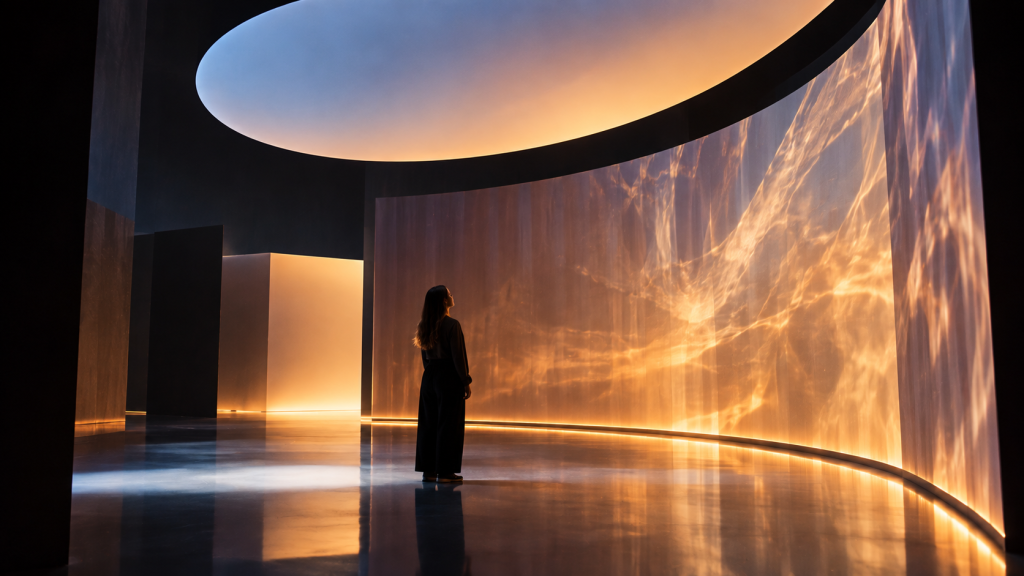
Espaço imersivo com pessoa no centro de uma experiência personalizada

Have you ever walked into a space and felt like everything in it had been designed just for you? From the way the elements are arranged to the way an experience unfolds, some environments manage to create an almost instant connection with the people inside them. And that doesn’t happen by chance.

At a time when consumers are already used to personalized experiences in the digital world, physical spaces need to evolve too. More than grabbing attention, they need to create identification, interaction, and a sense of belonging.

This is where the concept of Main Character Spaces comes in: spaces that put consumers at the center of the experience and make them truly feel like the protagonist.

Today, we’ll take a deeper look at this concept and explore how to create spaces that spark instant identification with your audience. Let’s dive in!

What are Main Character Spaces?

The concept of Main Character Spaces starts from a simple idea: turning the physical space into an experience in which consumers aren’t just spectators, but an active part of the story. That means creating environments where people can interact, discover, choose, and see themselves.

In retail, this approach marks an important shift. The store stops being just a place to display and sell products and becomes a space for building relationships between brand and consumer.

And to make that happen, simply adding technology isn’t enough. An environment can be visually striking, generate photos, and get attention on social media. But that doesn’t necessarily mean it has created a meaningful experience.

The difference lies in intention. While an Instagrammable space is designed mainly to be seen and shared, a Main Character Space is designed to be lived. The question is no longer just “What do we want to show?” but “What do we want this person to experience?”

This change in perspective puts consumers at the center of every decision and turns the space into a brand experience tool.

What makes a space feel like it was made for me?

There’s no one-size-fits-all formula for creating a Main Character Space. But certain elements can help build that feeling of personalization and connection. Here are a few of them:

Personalization

When an experience takes the visitor’s interests, needs, or choices into account, it becomes more relevant. Targeted content, recommendations, and adaptive journeys are some examples of how to create that perception.

Interactivity

Letting consumers take part in the process and interact with their own journey transforms the experience. Responsive screens, sensors, projections, and other technologies can make the environment react to the movements and choices of whoever is interacting with it. Visitors stop merely observing and start shaping part of the experience.

Immersion

A space can also tell a story. Architecture, lighting, sound, audiovisual content, and technology can work together to create an atmosphere that envelops consumers and transports them into the brand’s narrative.

Identification

Perhaps the most important element is helping people see themselves in the experience. When the space reflects their desires, needs, or lifestyle, a sense of belonging emerges. That’s when the consumer thinks, “This was made for me.”

How do you create a Main Character Space?

To create a consumer-centric experience, you need to look at the space strategically. Here are a few steps that can help:

  1. Know your audience: understand their behaviors, needs, and expectations;
  2. Define the experience you want to deliver: think about the emotion consumers should take away with them: discovery, belonging, surprise, trust, or inspiration;
  3. Build a journey: plan what happens from the moment people arrive until they leave the space;
  4. Create moments of participation: the more consumers can interact and make decisions, the more they become the protagonist;
  5. Integrate physical and digital: the experience can start online, happen in the physical space, and continue afterward, creating a more seamless phygital journey;
  6. Use technology with purpose: choose features that truly add to the experience — not just because they’re innovative.

The audience’s space and the future of retail

The rise of Main Character Spaces is part of a broader transformation in retail. Today, consumers aren’t just looking for products. They’re looking for experiences, convenience, identification, and moments that make sense within their journey.

That’s why physical spaces are taking on a new role: they’re no longer just points of sale, but relationship platforms. It’s in this context that concepts like experiential retail, immersive experiences, personalization, and phygital are becoming increasingly relevant.

Technology expands the possibilities, but the goal remains essentially human: creating connections. Creating a Main Character Space means shifting your point of view. It means thinking not only about what the brand wants to communicate, but about what the consumer needs to experience.

At Alice Wonders, we turn technology, creativity, and strategy into experiences that connect people and brands. We create interactive spaces and digital solutions that help companies transform the point of sale into an environment that’s more relevant, immersive, and aligned with their audience’s expectations.

Because when technology meets purpose, a space becomes more than just a place. It becomes an experience. Want to create a space that makes your audience feel like it was made just for them? Click here and talk to Alice Wonders.

Inscreva-se em nossa Newsletter

Receba no seu email todas as novidades do nosso blog sobre tecnologia e varejo, além de ficar por dentro do novos projetos Alice Wonders.

Thank you for subscribing.

Something went wrong.

Most Popular Topics

Editor Picks

Send this to a friend