Experts around the world say the COVID-19 pandemic accelerated digital (and physical) transformations that might only have been expected in the next decade. One example is remote work, which, according to a McKinsey study, would have taken a little over a year to roll out in “normal” times. But when the quarantine was declared in March 2020, we saw entire offices move into their employees’ homes in a little less than 12 days.
It sounds crazy, but we know this wasn’t the only acceleration the crisis triggered in people’s relationship with the digital and physical worlds. Consumers have been developing new needs and digital shopping behaviors, which big brands will need to watch – and embrace – in the coming years.
So, could we say this is the end of stores as we know them?
Check out 7 trends that should shape the future of brick-and-mortar retail, based on research from NRF Retail’s Big Show 2021 and the 2020 Costumer Expectations Report.
1. Stores designed for products people

With the e-commerce boom that followed social distancing, buying a product or service from your favorite store is now – literally – just one click away. So physical stores that want to survive the post-pandemic world need to offer more than endless shelves and products in a thousand colors.
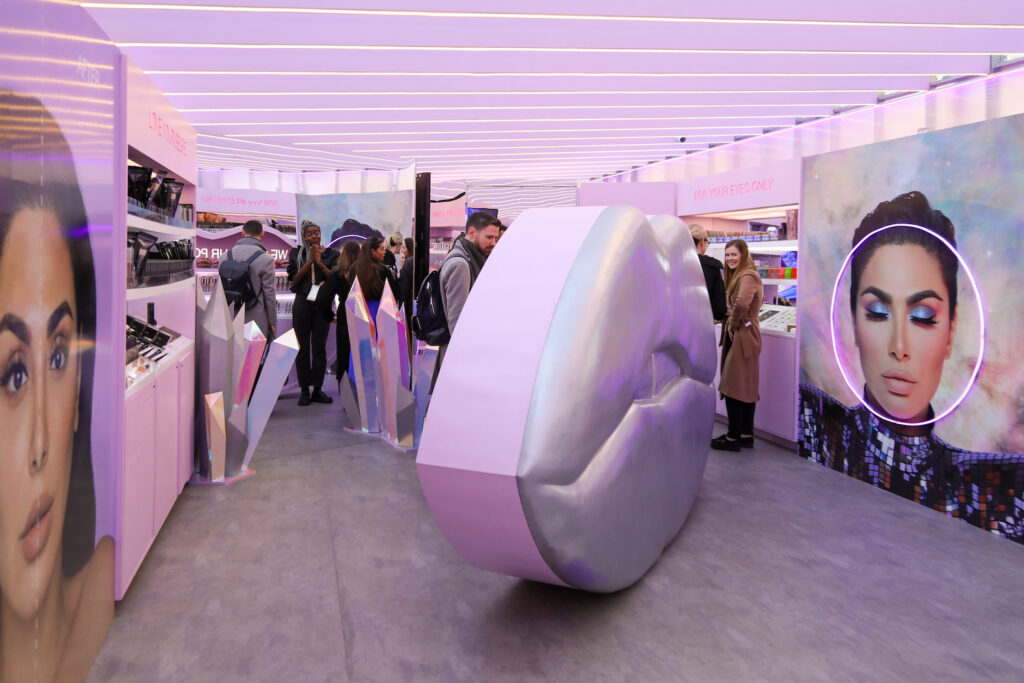
Today, consumers expect stores to be spaces for experiences, socializing, interactivity, and making memories, breaking away from the traditional buying-and-selling relationships we used to know.
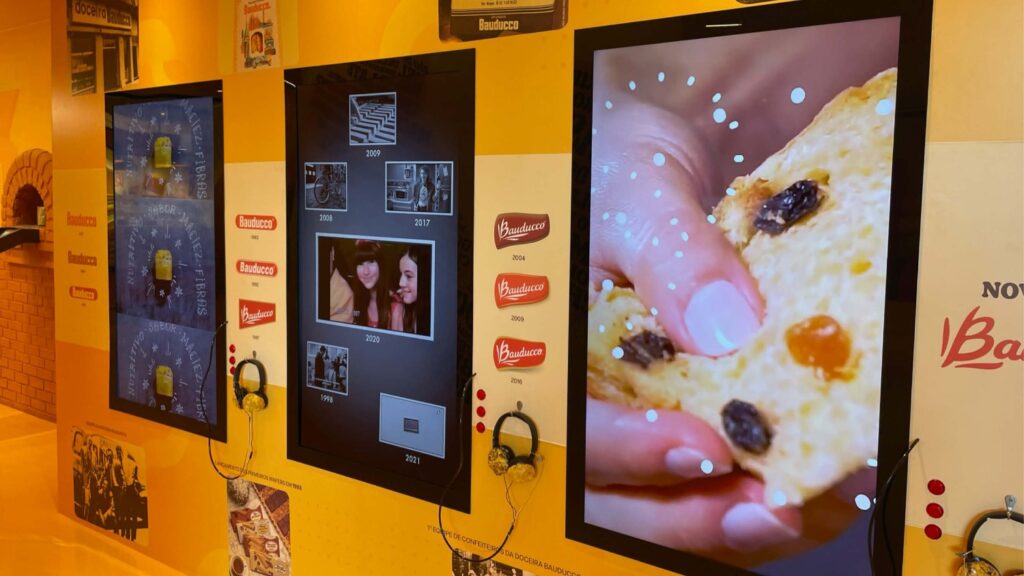
The Nestlé Kit Kat Chocolatory, located in Morumbi Shopping, is a perfect example of a store built around the Experience Economy. A flagship designed by the British agency FITCH, it had Alice Wonders in charge of developing half of the digital touchpoints and implementing 100% of the digital touchpoints in the store, which features experiences such as a content wall, an interactive wall, photo printing on a Kit Kat, an Endless Aisle, a digital menu, virtual reality, and more, putting Brazil ahead of other countries in terms of technology and innovation at the POS.
But does this mean stores will no longer be places focused on sales? Not necessarily. According to the 2020 Customer Expectations Report, 84% of consumers say they tend to spend more at stores that offer memorable shopping experiences – whether they’re fun, relaxing, delightful, or informative.
2. Technology that enhances the POS experience

With consumers becoming increasingly digital and hyperconnected, bringing technology to the point of sale not only boosts your brand’s visual merchandising but also helps hold shoppers’ attention – shoppers whose eyes, and now their time too, are increasingly contested by stores, apps, and brands, competitors or otherwise.
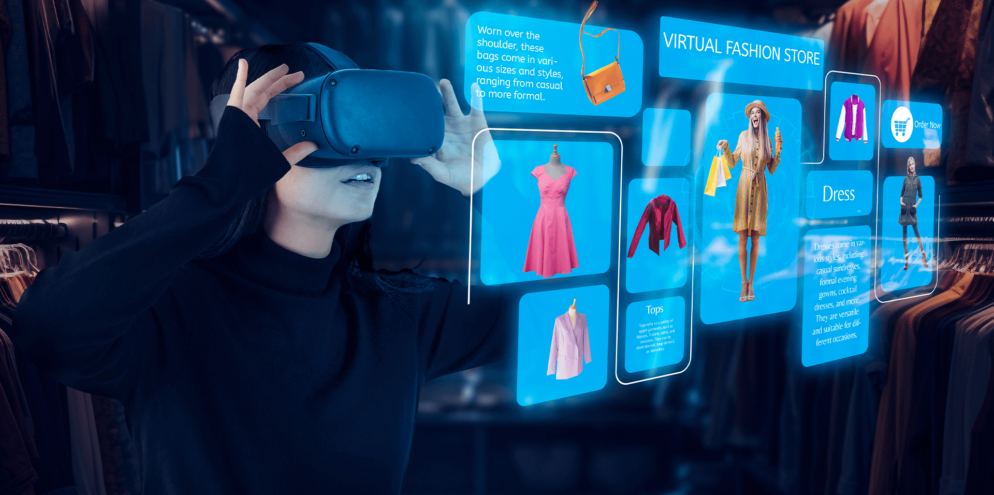
By using Augmented Reality in retail experiences, for example, customers can virtually try on clothes or shoes, put together outfits, and even complete their purchases right from the fitting room.
Another trend already adopted by large companies and startups around the world is the use of Artificial Intelligence to optimize the purchasing process, improve product storage and history, enhance inventory management, and build behavior-based strategies.
These and other point-of-sale technologies aren’t here to replace human connections entirely, but rather to contribute to creating experiences that are ever more innovative, personalized, and unique.
3. Fewer interruptions, more “Do it yourself”

In the retail of the future, the days of friction points between stores and consumers seem to be numbered.
Using Bots, Apps, Screens, and technologies such as Scan-and-Show, companies are now betting on reducing friction between sales associates and customers, giving shoppers autonomy during service, when they have questions, and even at checkout.
On the payment front, concepts such as cashless (no cash) and cardless (no cards) are already being used by marketplaces like Uber and Apple Pay, for example. The model links payment details to the consumer’s device, so there’s no need to hand over cash or a physical card. This is also a growing reality in Brazilian supermarkets, where all you need is your phone to pay for your purchases on the way out.
4. Customer Centric: brands attuned to consumer preferences

Companies that follow the Customer Centric trend, that is, placing customers at the center of business decisions, aim to build their strategic planning around the best possible user experience.
Let’s say you want to open the first physical location for your store, which until now has been digital-only. Applying the Customer Centric concept, you’d have a range of options: from analyzing the average location of your consumers to running a survey with your current customers to find out their preferred locations. This would make your choice far more accurate, based above all on your consumers’ needs and wants.
Users have already noticed the concept and rate it highly. According to the 2020 Customer Expectations Report, about 79% of consumers say that companies that put customers at the center of their business stand out more than those that simply deliver personalized marketing.
5. Logistics 4.0: faster deliveries

With the pandemic, in addition to implementing safety measures in physical stores, retailers also had to adapt to the exponential growth of e-commerce.
In some sectors, online sales grew between 30% and 40% throughout 2020, requiring new efforts and logistics adjustments from major retailers and shipping companies.
The trend is for consumers – increasingly demanding and selective – to expect ever-faster deliveries, as well as the ability to track every stage of distribution in real time.
A lack of technological intelligence in distribution projects can lead to inadequate inventory, ineffective manual management, low transparency, and a lack of logistics flexibility. Yet another reminder of the importance of using data in the retail of the future.
5. Brands committed to social responsibility

Intensified by the global crisis, consumers are now even more drawn to brands that share values tied to sustainability, transparency, and responsibility.
One example of positioning strategically connected to the business theme is AMA, an AMBEV project that relied on Alice Wonders’ expertise to bring the initiative to life through an Interactive Vending Machine.
With every bottle of AMA water purchased, 100% of the profit goes toward building artesian wells in neighborhoods and communities that suffer from water shortages. So, in addition to making the brand stand out through technology and innovation, the machine invited consumers to reflect on social issues, showing its positive impact while entertaining and delighting them at the moment of purchase.
7. Data-Driven: companies and brands guided by data

With the exponential growth of the Data-Driven concept, meaning companies and organizations strategically guided by data, the brands that stand out are those that know how to demystify big data to understand consumer behavior – whether in e-commerce or brick-and-mortar retail.
One brand that represents this trend well is Intel. Together with Alice Wonders, it developed an Interactive Smart Store that revolutionized laptop retail in Brazil.
At a kiosk, shoppers answered questions about their preferences and needs when choosing a laptop. At the end of the questionnaire, colored lights guided them to the models in the categories that best matched their choices. In addition to all the data collection that enabled the right recommendations, Intel also mapped customer behavior in the store, gaining access to powerful insights such as which models were the most sought after, the average time spent and distance at each laptop, which days and times of the week had the most traffic (and much more!).
See the power of data when making strategic decisions to increase engagement and sales volume at your POS? That’s exactly what Granometrics.io does: an exclusive Alice Wonders technology that maps behavior in physical spaces, generating insights that drive qualified sales.
Which of these trends do you think will be the most revolutionary for the retail industry? Share your thoughts in the comments!
And if you also want to innovate and make your brand stand out with Digital Experiences at the POS, get in touch with us and discover our custom solutions!
Inscreva-se em nossa Newsletter
Receba no seu email todas as novidades do nosso blog sobre tecnologia e varejo, além de ficar por dentro do novos projetos Alice Wonders.