#WonderNews: AI in Stores; Digital Visual Merchandising Gains Ground (and More!) Comments Off on #WonderNews: AI in Stores; Digital Visual Merchandising Gains Ground (and More!) 1372

lojas

Welcome to #WonderNews: the Alice Wonders newsletter that connects you to the top trends in technology, design, architecture, and in-store experiences, in Brazil and around the world.

In an increasingly dynamic consumer market, these areas play an essential role in building spaces and interactions that delight customers and create emotional connections with them.

With that in mind, check out valuable insights, innovations, and ideas that inspire transformation and boost brand success. Grab your coffee and enjoy the read. ☕️
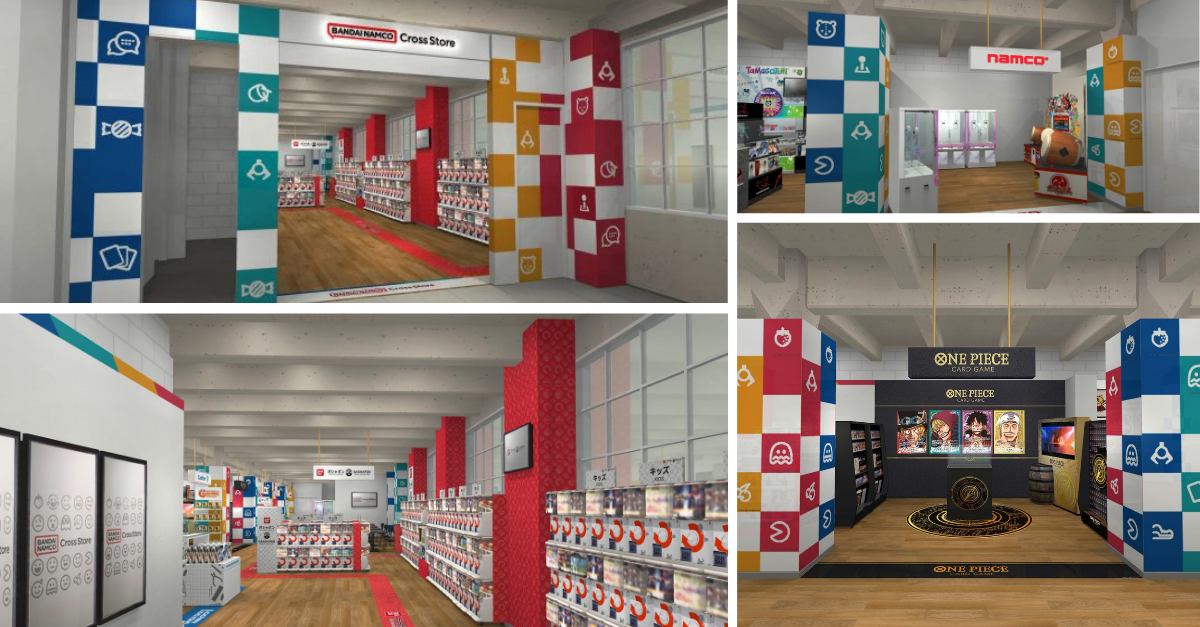
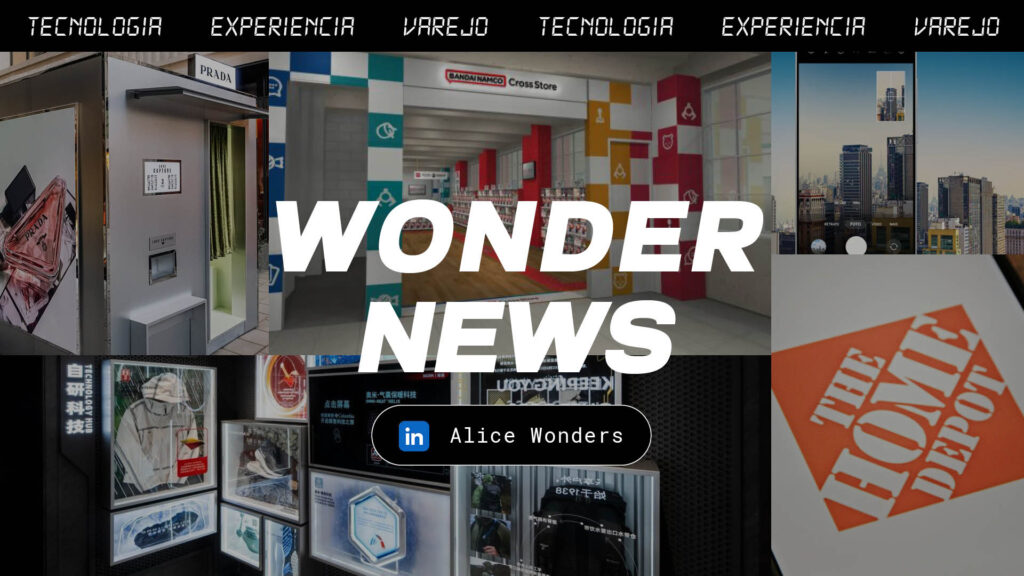
✨ Bandai Namco opens its first Cross Store in the US!

If you’re a fan of anime, games, and collectibles, get ready for some amazing news: Bandai Namco has opened its first Cross Store in the United States. Following the success of its London location, this megastore lands in Industry City to bring all your favorite brands together in one place.

What to expect? The store will feature 10 official spaces dedicated to iconic Bandai Namco products, including:

  • Incredible anime and game collectibles and figures;
  • Exclusive card games, such as the One Piece Card Game;
  • The nostalgic return of Tamagotchis;
  • PAC-MAN, Tekken, and Dragon Ball merchandise.

Plus, the location is an attraction in itself! Industry City’s Japan Village promises an immersive experience with a Japanese market, food stalls, a sake shop, and much more. Perfect for diving into Japanese pop culture!

This initiative shows how geek culture and Japanese entertainment keep gaining ground globally! The shopping experience goes beyond the products: it’s about experiencing the Bandai Namco universe in a unique way.

Home Depot revolutionizes home improvement with AI!

Home Depot has just launched Magic Apron, an innovative suite of Generative AI toolsdesigned to transform the experience of customers looking to renovate and improve their homes.

Available on the Home Depot website and app, Magic Apron can:

  • Summarize product reviews;
  • Answer “how-to” questions;
  • Recommend personalized products for every need.

What sets it apart? It was trained on the expertise of Home Depot’s famous orange-apron associates and will keep learning from user feedback.

And there’s more: Magic Apron will soon come to the brand’s B2B website, offering dedicated support for contractors and industry professionals.

New features are in development, including a personal home improvement concierge for inspiration, product comparisons, and expert advice.

Digital Twins at Lowe’s: AI to optimize stores in real time

Lowe’s is transforming retail with 3D digital twins, updated several times a day to mirror its physical stores. With this technology, the company simulates layouts, tests product placement, and improves sales performance without having to change the actual space.

On top of that, generative AI is giving sales associates “superpowers,” as they now have smart assistants to answer questions about products and projects.

Soon, customers will also have access to chatbots to get recommendations and make purchases directly within the virtual experience.

Prada’s immersive experience: classic never goes out of style

Prada Beauty is taking experiential retail to the next level with the “Love Capture” photo booth, an immersive activation that invites consumers to connect with the brand in a unique way.

These booths, strategically placed in the world’s fashion capitals, combine sophisticated design and interactivity, allowing visitors to capture special moments while trying iconic products from the Prada Beauty line, such as Prada Balm and Prada Monochrome. The Prada Paradoxe fragrance rounds out the experience, turning every photo into a sensory keepsake.

This concept reinforces the trend of retail as a space for memorable experiences that go far beyond the store. Interactive, multisensory environments build lasting bonds with consumers.

Just as in physical space design, where finishes and details elevate perception, in retail it’s these experiences that turn brands into icons – because innovation and delight never go out of style.

⛰️ Digital Visual Merchandising at Columbia’s new store in Shanghai

Columbia Sportswear Company has just opened its newest store on Huaihai Road in Shanghai, and it’s a true example of how Digital Visual Merchandising can elevate the retail experience.

Blending smart design, technology, and brand identity, the space strengthens Columbia’s positioning in the Chinese market, making it the perfect destination for outdoor adventure lovers.

From the moment they walk in, the store invites customers on an immersive journey, blending physical and digital elements to tell the brand’s story. The strategic use of imagery to highlight product categories, the screen-fitted boxes that chronicle Columbia’s history, and the dark ceiling accented by a grid of LED lights are all examples of how every detail was designed to showcase the merchandise.

With innovative design and the strategic use of Digital Visual Merchandising, Columbia shows that its essence lies not only in its products but also in the way it engages and inspires its customers in the retail environment and in its stores.

Samsung takes the photography experience to new heights with the Galaxy S25 Ultra

Samsung is redefining brand activations by taking the Galaxy S25 Ultra experience to the top of Sampa Sky, one of the highest observation decks in São Paulo. The “Experiência Mirante Galaxy S25” (Galaxy S25 Observation Deck Experience) lets visitors test the new smartphone’s powerful camera 150 meters (about 490 feet) above the ground, standing on a glass floor, creating the unique sensation of floating over the city.

With a 200 MP lens and up to 10x digital zoom, the Galaxy S25 Ultra promises to capture every detail of the urban landscape with impressive sharpness. To make the moment even more memorable, Samsung offers instant prints of the photos taken during the activation, ensuring visitors take home a physical keepsake of this one-of-a-kind experience.

Combining technology, entertainment, and immersive experiences, Samsung shows that when it comes to innovation, the sky — or the top of Sampa Sky — is the limit.


Stay on top of the latest trends in brick-and-mortar retail around the world! Follow us on Instagram, LinkedIn, and Blog: The Future of Retail so you never miss an update.

Inscreva-se em nossa Newsletter

Receba no seu email todas as novidades do nosso blog sobre tecnologia e varejo, além de ficar por dentro do novos projetos Alice Wonders.

Thank you for subscribing.

Something went wrong.

Previous ArticleNext Article

Phygital in Retail: How to Blend Physical and Digital Experiences Comments Off on Phygital in Retail: How to Blend Physical and Digital Experiences 809500

phygital

In recent years, consumer behavior has undergone profound changes, and retail has had to reinvent itself along with it. The growing digitalization of everyday life, combined with a greater appreciation for personalized experiences, has given rise to a new way of thinking about the shopping journey: the phygital concept.

The word phygital comes from the union of the physical and digital worlds, and it represents the strategic integration of these two universes to deliver more complete, immersive, and connected shopping experiences.

Instead of separating what happens in the physical store from what takes place online, phygital proposes a fluid approach, where customers move between channels naturally — and the brand follows that movement in a consistent, intelligent way.

At the heart of this transformation is the physical experience: it remains essential, especially in sectors where touch, sight, and environment directly influence the purchase decision.

What changes, however, is how that experience connects with the possibilities offered by digital. Apps, QR codes, interactive mirrors, augmented reality, integrated payments, and real-time personalization are just a few of the tools that amplify the power to delight at the point of sale.

This fusion of the sensory and the technological is what we call the phygital experience: a journey where the customer is the star and technology acts as an enabler, without stealing the spotlight. The idea is to bring together the best of both worlds to create richer, more relevant, and unforgettable interactions.

More than a passing trend, phygital is a direct response to consumers’ new expectations. It goes beyond omnichannel, because it’s not just about being present across multiple channels, but about creating a single, continuous experience that follows the customer from online research all the way to the moment of purchase in-store, and vice versa.

That’s why today we’re taking a deep dive into the phygital concept in retail, looking at examples of brands that have bet on this idea and learning how to put it into practice in your own business.

The importance of experiential marketing in the phygital universe

In today’s retail, selling a product is no longer enough; you need to deliver memorable moments that build real bonds with consumers. In this landscape, experiential marketing emerges as a key piece of the phygital strategy, turning every interaction with the brand into an opportunity to generate emotional connection, delight, and loyalty.

The physical experience is still essential for building deep connections: touching a fabric, trying a fragrance, or experiencing a well-designed space are irreplaceable sensations.

But when these stimuli are enhanced by digital resources, the impact multiplies. That fusion is exactly what defines the phygital experience: the best of both worlds, working in an integrated, strategic way.

In today’s market, technology doesn’t replace the physical experience; it expands it. Smart mirrors can suggest product combinations in real time, QR codes lead shoppers to tutorials or reviews from other customers, and digital payment systems make checkout faster and frictionless.

All of this contributes to a more fluid, intuitive, and engaging phygital experience, and the benefits of this approach are many. By investing in phygital strategies within experiential marketing, brands:

  • Increase emotional engagement with consumers;
  • Seamlessly integrate physical and digital channels;
  • Personalize offers using data and technology;
  • Reduce friction in the buying process;
  • Delight with sensory and interactive activations;
  • Stand out from the competition through innovation;
  • Encourage repeat purchases and loyalty;
  • Collect data to improve strategies;
  • Strengthen brand identity.

Rather than adopting isolated solutions, the secret lies in building a strategy centered on the consumer’s real journey. An effective phygital experience is one that understands context, anticipates needs, and reinforces the brand’s values in every detail.

Cases and trends: who’s already doing phygital in retail

To show you the power of phygital in retail, we’ve selected a few brands that bet on this idea and achieved great results — true case studies and trends from this universe to inspire you. Check them out:

Nike: full integration between store and app

Nike is one of the brands that best embodies the phygital concept in its physical stores. The brand’s flagship in New York, for example, offers a physical experience that is highly connected to the digital environment.

Through the Nike app, shoppers can reserve products to try on, scan tags to see details, or check size availability — all without needing to interact with sales associates.

This fusion of digital and physical turns the journey into an intuitive, fluid, and personalized phygital experience. Customers feel in control of their own experience, while the brand gains valuable data on shopping behavior.

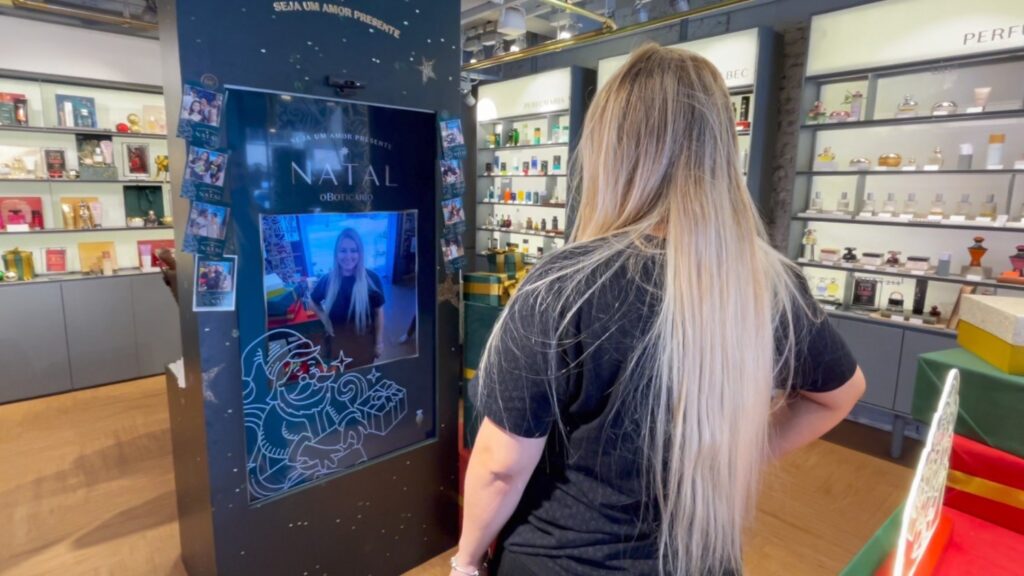
Boticário: technology in service of the senses

Boticário has stood out by investing in phygital solutions within its physical stores. One of its main features is the use of QR codes on packaging, which direct shoppers to videos, tutorials, and detailed information about product ingredients and benefits.

At the same time, the physical experience remains central: testers, scents, and textures are still available, allowing customers to interact directly with the products. This combination of digital and sensory creates a phygital experience that educates, engages, and builds loyalty.

Customers feel supported in making more informed purchase decisions without giving up hands-on experimentation, which is essential in the beauty segment. The brand strengthens its omnichannel presence while also enhancing the consumer journey with relevant content, available at the right moment.

Carrefour: innovation and convenience at the point of sale

Carrefour has been investing in phygital solutions to transform the shopping experience at its hypermarkets. The company has rolled out self-service kiosks, contactless payment systems, and integration between its physical stores and its app, where shoppers can locate products and receive personalized offers.

These innovations make the in-store experience smoother, cutting down lines and giving consumers more autonomy. With this approach, Carrefour delivers a phygital experience built around convenience and efficiency — without losing the human touch of in-person interaction.

By integrating channels and data, the brand can follow the customer through different moments of the journey, offering solutions that simplify everyday life and create perceived value. The result is a more dynamic, connected, and customer-centric environment.

These are just a few of thousands of examples across Brazil and around the world, and they serve as inspiration to prove that the best time to invest in phygital retail is now.

Tips for getting your brand ready for phygital retail

Even with everything we’ve covered so far, we know that putting all of this into practice is far from easy. So, to get you started, we’ve put together some simple tips to guide you at the beginning of this journey. Take a look:

Rethink the customer journey with a focus on integration

More than just being present across multiple channels, it’s essential to make sure they all work together seamlessly. That means understanding where the main friction points lie between the digital environment and the physical experience, and working to turn them into opportunities for connection.

For example, a customer who researches a product on your website should be able to find it easily in the physical store, with the same offer and the option of customization or quick pickup. This continuity creates a cohesive phygital experience in which consumers don’t notice any barriers between online and offline — just a continuous, personalized journey with the brand.

Use technology as an ally for personalization

Technology is a fundamental resource in the phygital world, but it shouldn’t replace the human touch or the sensory elements that make the physical experience unique. Quite the opposite: technology should act as an enabler of personalization and convenience, taking the experience to a new level without making it impersonal.

Tools like smart mirrors, QR codes, and apps with suggestions based on shopping preferences can turn simple interactions into memorable moments. When used well, technology enhances the phygital experience without losing the warmth and empathy that in-person contact provides — building a deeper connection with the customer.

Continuously optimize the customer experience

No phygital strategy works without ongoing monitoring. To ensure that the physical and digital experiences are truly integrated and aligned with your audience’s expectations, it’s essential to set clear performance indicators. These include metrics such as average service time, conversion rate, and engagement with interactive activations.

By measuring this data, your brand will have a solid foundation to optimize every touchpoint and create an increasingly efficient and relevant phygital experience. Real-time behavior analysis enables quick adjustments and more strategic decisions, always with a focus on surprising and delighting today’s consumers.

Relying on simple tips like these to start investing in phygital within your business shows that this world is far from the monumental challenge many people think it is — rather, it’s an opportunity for real success when done right.

Experience is the new currency in retail

The integration of physical and digital is no longer a bet on the future: it’s the present of retail and a clear demand from today’s consumers. Creating a memorable in-store experience is still essential, but it’s the combination with the digital world that takes that experience to the next level.

The phygital model transforms the relationship between brands and people by enabling journeys that are smoother, more connected, and more emotionally impactful. Reaching this new level takes more than technology — it requires creativity, strategy, and a keen eye for human behavior.

And that’s exactly where Alice Wonders stands out: as specialists in interactive activations and immersive experiences, we create solutions that connect people and brands in original, engaging, and intelligent ways. Whether at events, in store windows, or in physical spaces, Alice delivers the true phygital experience that delights, engages, and converts.

The future of retail belongs to brands that understand it’s not about choosing between physical or digital, but about building bridges between the two. And with the right tools — and the right partners — any touchpoint can become an unforgettable opportunity.

Inscreva-se em nossa Newsletter

Receba no seu email todas as novidades do nosso blog sobre tecnologia e varejo, além de ficar por dentro do novos projetos Alice Wonders.
Thank you for subscribing.

Something went wrong.

#WonderNews: Digital Experience, Retail Technology (and much more!) Comments Off on #WonderNews: Digital Experience, Retail Technology (and much more!) 743

Welcome to #WonderNews: the Alice Wonders newsletter that connects you to the top trends in technology, design, architecture, and customer-centric experiences that strengthen brands in physical stores, in Brazil and around the world.

In an increasingly dynamic consumer market, these areas play an essential role in building spaces and interactions that delight customers and create emotional connections with them.

With that in mind, check out valuable insights, innovations, and ideas that inspire transformation and boost brand success. Grab your coffee and enjoy the read. ☕️

arc-lounge-retail-beijing-experience

The New Era of Retail: Experience and Connection!

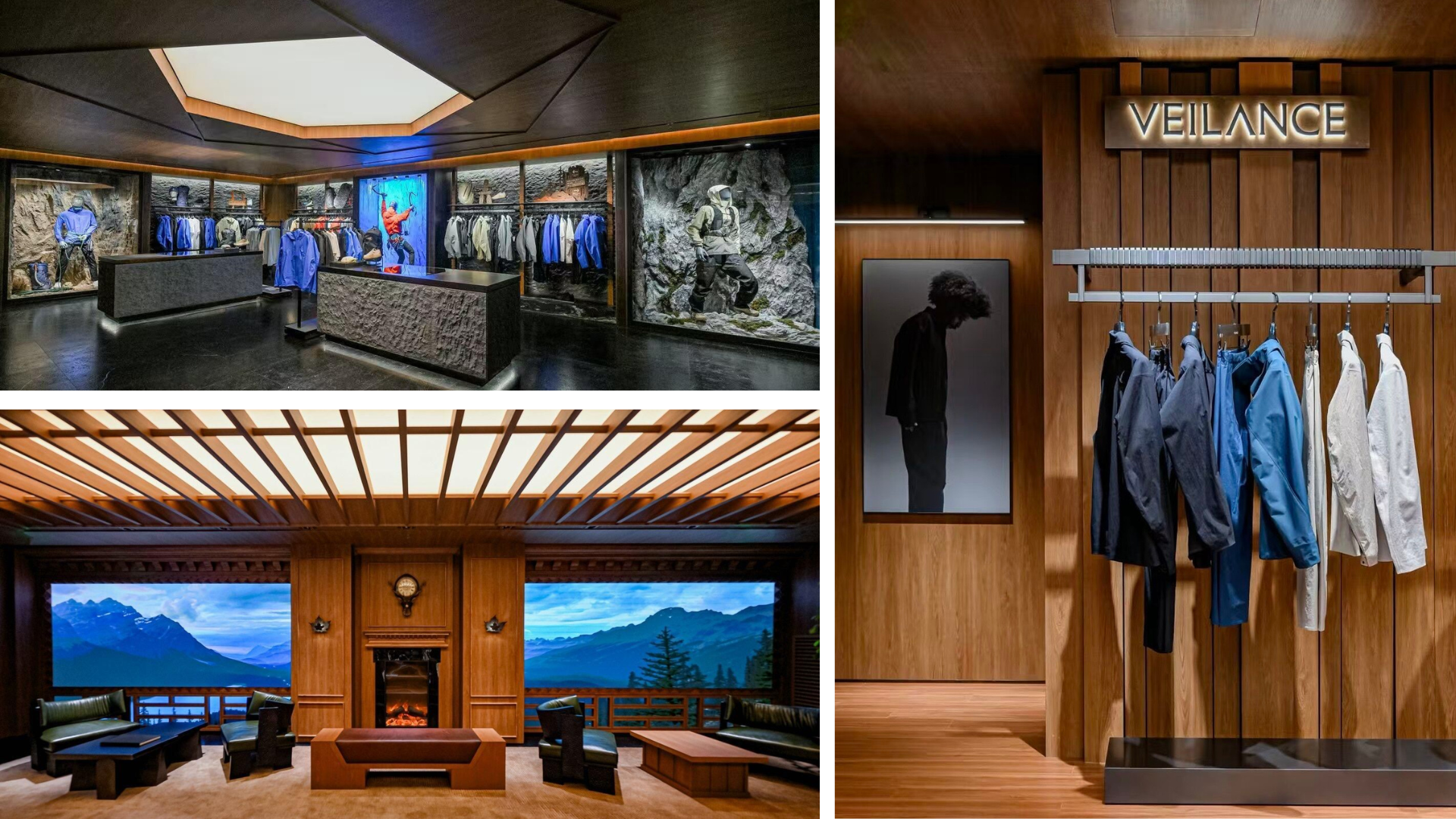
With its Arc’Lounge store in Beijing, Arc’teryx is reinventing the concept of the point of sale. More than a sales floor, Arc’Lounge is a sensory immersion that connects customers to the brand in a unique way.

With sound, scent, and lighting elements that simulate different altitudes and weather conditions, and even an area dedicated to Re: repairs, the space goes beyond the purchase — it’s an experience that blends nature and design.

Arc’Lounge also offers a retreat featuring products like Veilance, adding a cosmopolitan touch while maintaining an environment entirely focused on building an emotional connection with the brand.

Arc’teryx proves that the retail of the future is more about creating experiences than simply selling products.

iwc-pop-up-f1-experience

Immersion and Speed: IWC Schaffhausen in the F1 Movie

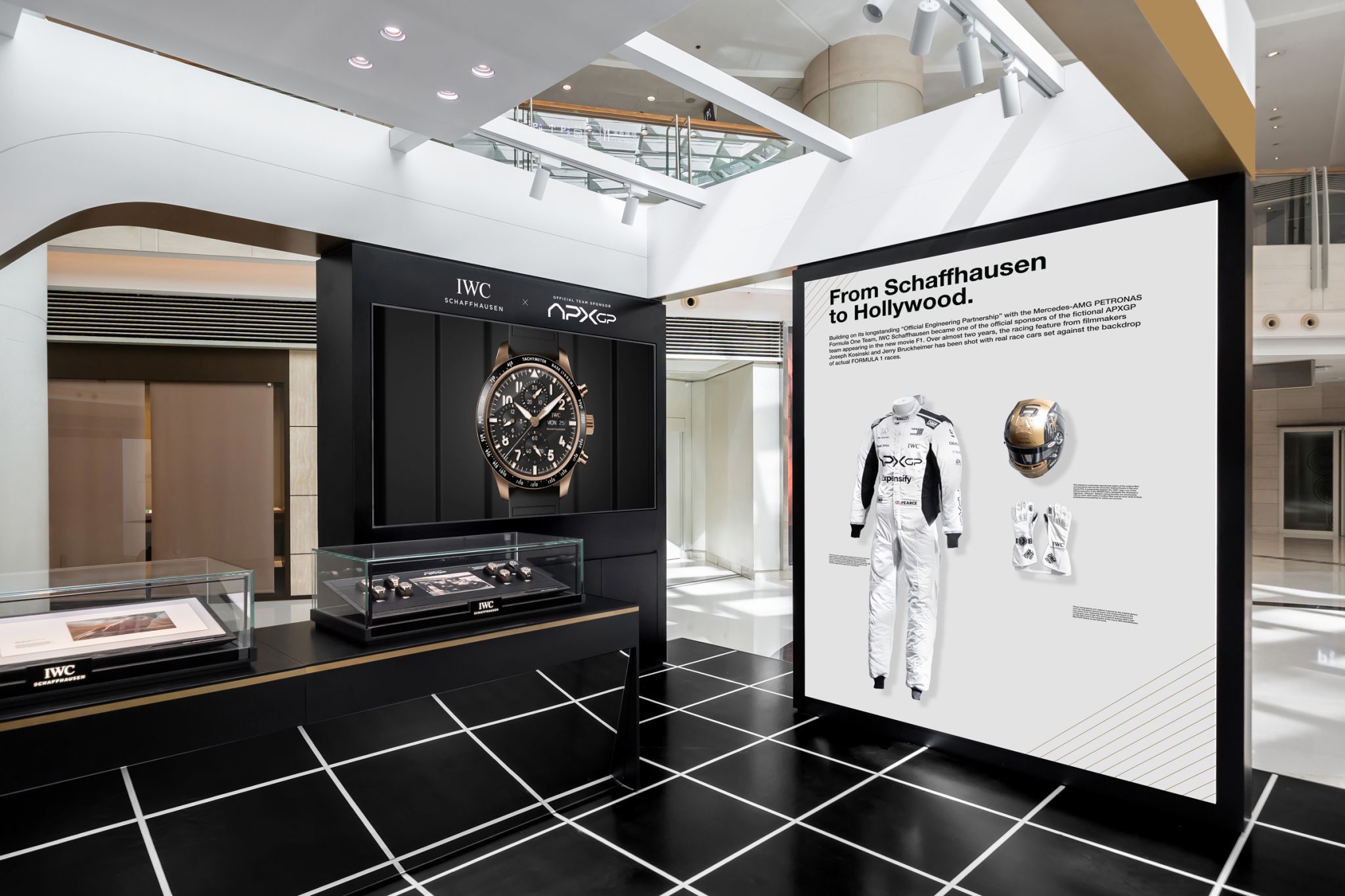
IWC Schaffhausen launched an immersive pop-up experience in Hong Kong, timed right to the release of the new F1 movie. The brand, an official partner of the Mercedes-AMG Petronas team, tied in with the premiere of its new partnership with the fictional APXGP team.

With the film’s worldwide success (R$144 million in its opening weekend), IWC seized the moment to showcase its exclusive model, alongside images of the racing suits worn by the characters, including Brad Pitt.

More than a simple launch, the activation highlights how sports marketing, in arenas like F1, has become increasingly strategic and powerful. With LVMH dominating sponsorship this season, IWC wastes no time stepping onto the scene to secure its place in fans’ minds.

adidas-store-seoul-experience

Adidas in Seoul: Design That Adapts

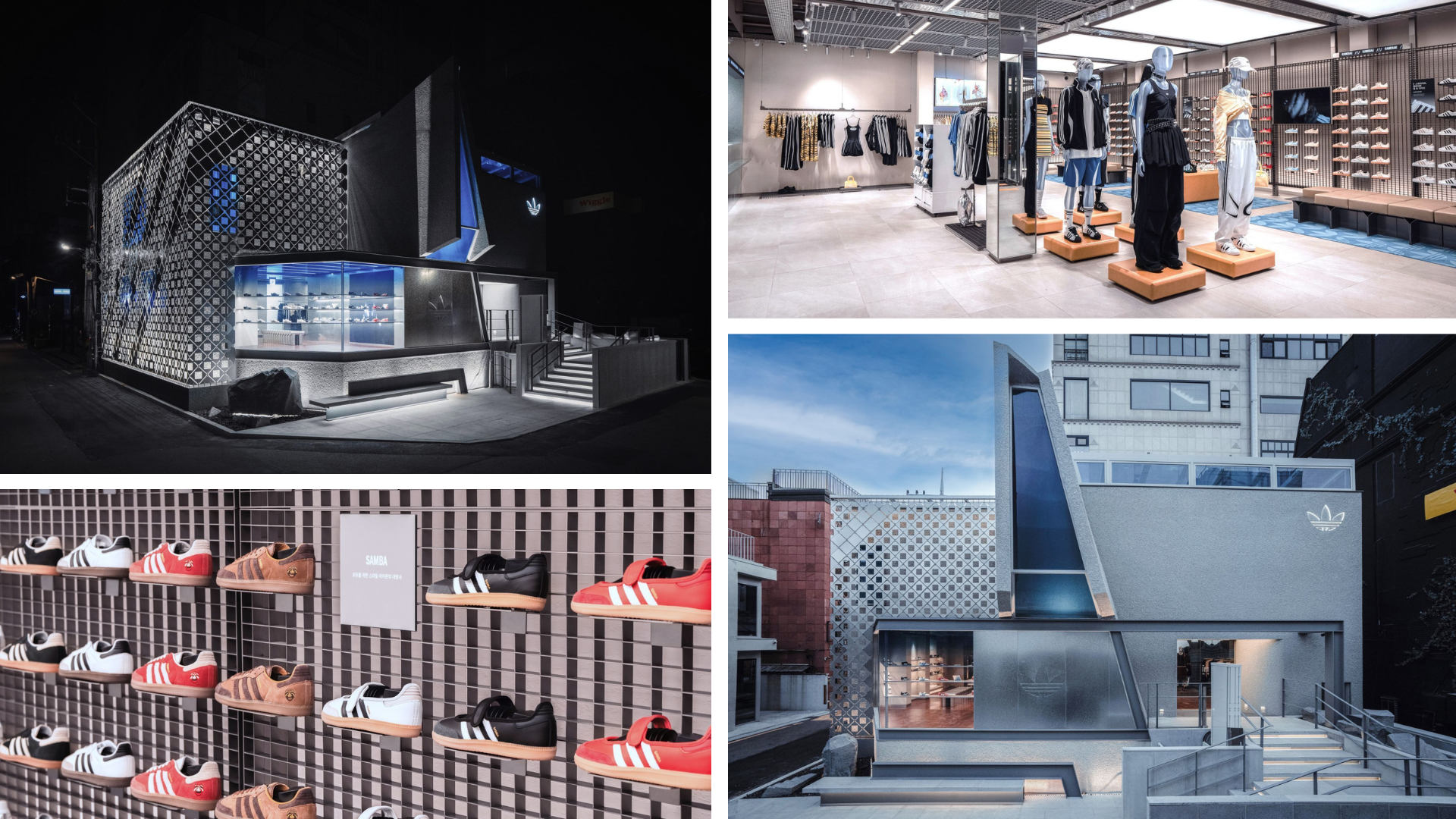
Adidas shows off its design versatility with a store in Seoul that connects seamlessly with the city’s dynamic environment. A far cry from the industrial style seen in other locations, this space reflects a modern aesthetic aligned with local trends, proving that retail can be innovative while respecting the culture of each place.

With a striking façade that stands out in the urban landscape, the store’s entrance immediately builds anticipation for a unique experience. At nightfall, the store’s design shines even brighter, revealing a captivating, immersive atmosphere. Inside, the environment is sophisticated, with a sneaker wall that draws the eye without being overwhelming, while apparel is displayed in a way that creates a sense of exclusivity and style.

Adidas stays true to its authentic DNA while masterfully adapting to the local market, delivering an original and innovative retail space.

argos-digital-sign-london-experience

Argos Turns London Stations into Interactive Gaming Spaces

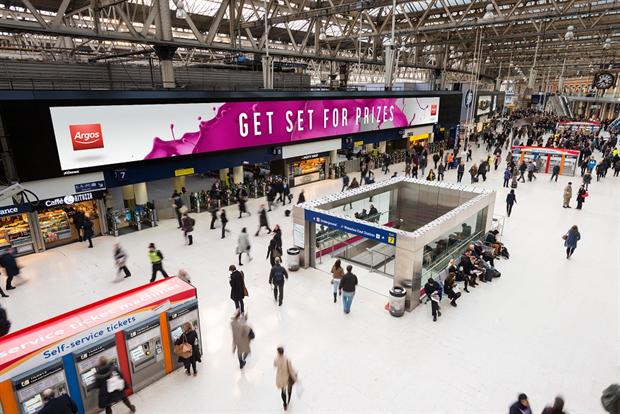
Argos broke new ground by turning two London railway stations into interactive playing fields with a massive 40-meter digital screen. Commuters can compete in real time on their mobile devices for exclusive branded prize bundles, creating a fun and engaging experience.

This type of activation, which blends digital signage with gamification, is one of the first public gaming initiatives in high-traffic locations. The idea is to connect the brand with its consumers in a unique, personalized way, using technology creatively.

In a market where mobile shopping grows every day, Argos taps into this trend to create an interactive experience that goes far beyond the point of sale. A strategic play that entertains while strengthening the bond between brand and consumer.

pepsi-augmented-reality-experience

Pepsi Surprises Commuters at a London Bus Stop with Augmented Reality

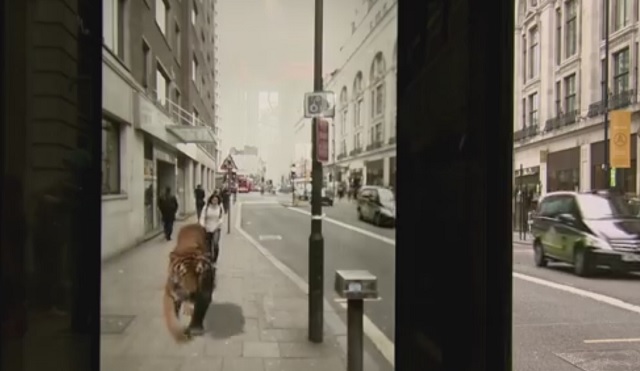
Pepsi took the consumer experience to a whole new level by transforming an ordinary bus stop on London’s bustling Oxford Street into an augmented reality spectacle. While waiting for their ride, people were caught off guard by realistic animations of a tiger, tentacles, an alien spaceship, and even a meteor crashing onto the street, all displayed on a digital panel disguised as glass.

This innovative activation, blending digital signage with immersive technology, not only shocked the public but also highlighted the power of augmented reality to create memorable experiences. By weaving digital into people’s everyday lives in unexpected ways, Pepsi showed that, in retail and marketing, creativity knows no limits.


Stay on top of the latest brick-and-mortar retail trends from around the world! Follow us on Instagram, LinkedIn, and Blog: The Future of Retail so you never miss an update.

Inscreva-se em nossa Newsletter

Receba no seu email todas as novidades do nosso blog sobre tecnologia e varejo, além de ficar por dentro do novos projetos Alice Wonders.
Thank you for subscribing.

Something went wrong.

Most Popular Topics

Editor Picks

Send this to a friend