




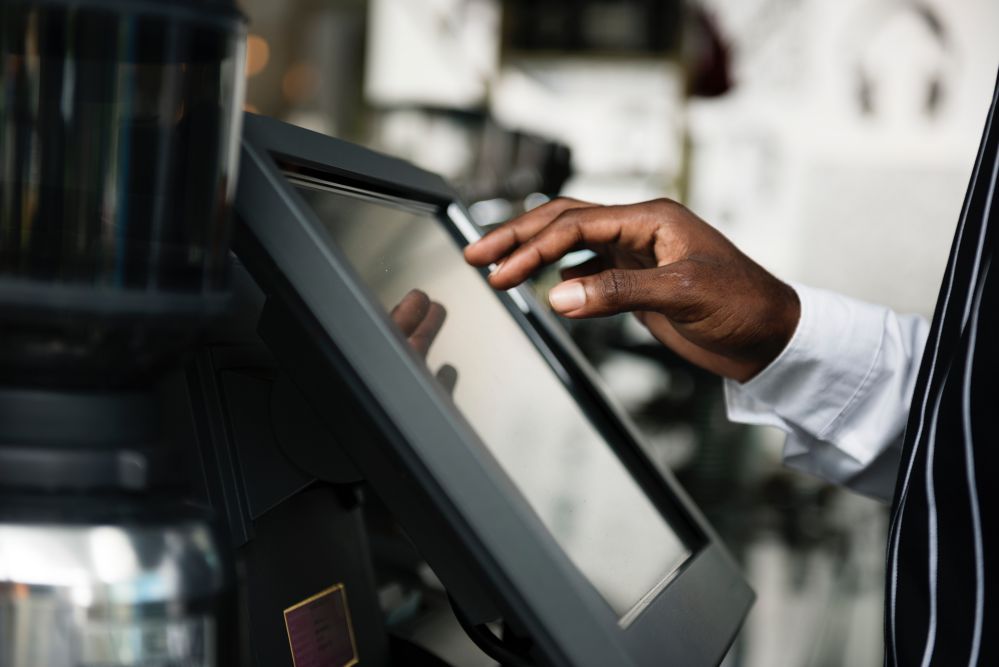
When we compare the characteristics of a physical store with those of an online store, we may be tempted to see them as separate operations aimed at different audiences. While ecommerce offers the convenience of looking up information, comparing products, and placing an order quickly, the offline retail experience lets shoppers interact with merchandise and talk face to face with sales associates.
However, what has been proven is that these channels don’t need to be so far apart — brands can generate more value for customers if they know how to work both in a more integrated way, following the practices of what’s known as 360 retail.
Want to know what this concept is and why it has the power to delight consumers? Stay with us and enjoy the read!
What is the concept of 360 retail?
According to a survey of consumers with internet access, 47% of them look up product information online before shopping in physical stores, while 23% said they usually visit a store before completing a purchase online. The data comes from SPC Brasil (Serviço de Proteção ao Crédito, Brazil’s Credit Protection Service) and CNDL (Confederação Nacional de Dirigentes Lojistas, the National Confederation of Retail Store Managers).
This shows us how the customer journey can involve more than one of your company’s sales channels, and that it no longer makes sense to think of these channels as ways to serve different audiences. Your consumer is the same person and needs to feel welcome in an inviting environment, whether online or offline.
The main idea behind a 360 retail strategy — also known as omnichannel — is to deliver a memorable shopping experience across all sales channels. You need to place the shopper in a pleasant context, where they can see how hard the company works to satisfy its customers.
As a result, they’ll come to admire your brand more, buy more, come back again, and even recommend your products or services to the people closest to them. That’s why it’s up to the company to lower the barriers between physical and digital so that people feel comfortable interacting with your brand wherever and whenever it suits them best.
Without a doubt, this is a challenge for retail, since it involves resources ranging from store design (both physical and online) to sales staff training. So let’s look at what defines a business that’s ready to offer 360 retail experiences.
How can a business offer 360 retail experiences?
Essentially, a 360 retail strategy needs three main pillars to create unique experiences:
- environment;
- customer service.
- technology.
Curious to learn how to develop each one? That’s what we’ll find out now.
Environment
When customers come into contact with one of your sales channels, they need to feel immersed in the brand’s context. One way to create that perception is by paying attention to visual aspects. Make sure your ecommerce design and your store architecture follow the same identity.
In addition, invest in sensory marketing to evoke sensations that make a visit to your store — or even your online store — unforgettable. Finally, make sure the employees who deal with customers are friendly and helpful, which brings us to the next pillar.
Customer service
Suppose a consumer bought a product online but chose to pick it up at a store near their home. Besides guiding customers clearly and courteously, the staff at that local store need to understand the ecommerce operation in order to serve this type of customer in the best possible way.
It’s no use for the user to have an excellent experience on the website only to arrive at the store and be poorly served, have to wait in the same line as people who still need to pay for their products, or get no clear information about where to pick up their order.
Technology
Technology is another crucial factor for 360 retail, because digital tools help us map shopper behavior — both online and offline — enabling integration between what happens in the physical store and in ecommerce.
To give you an idea, there are already apps that can identify customers every time they visit a store. The methods vary (geolocation, QR codes, beacons, etc.), but all of them make it possible to collect shopping habits and deliver personalized offers based on the customer’s history of interactions with your organization.
In fact, this whole digitalization trend is already changing a term widely used in marketing. As physical locations — also known as “brick and mortar” — go through these transformations, they’re starting to be called “brick and data.”
What kinds of innovative experiences can we create in retail?
Now that you know the DNA behind the best retail experiences, check out some of Alice Wonders’ most interesting projects.
Wonder Fitting Room
In this interactive fitting room, shoppers receive clothing and accessory recommendations based on the items they brought in to try on. It’s great for driving sales and generating insights, such as a comparison between the most-tried-on and the most-purchased items.
Mini-hologram
Using holographic display technology, it was possible to generate more visibility for a new soft drink brand at the point of sale. The platform featured voiceover and animations to grab consumers’ attention even more.
Interactive kiosk
To demonstrate the main features of a new smartphone, Alice Wonders installed an interactive counter that displayed information on a screen and communicated wirelessly with the device. All of these interactions were recorded so that analysts could later evaluate the success of the campaign.
So there’s no denying that retailers need to differentiate themselves to delight their audience and keep them loyal to their brand. And today, in the middle of the digital age, there’s nothing better than creating outstanding 360 retail experiences to make your business stand out in the market.
Still have questions about the topic? Want to know how to implement this highly promising strategy in your company? Then get in touch with us — we’d be more than happy to talk with you!
Inscreva-se em nossa Newsletter
Receba no seu email todas as novidades do nosso blog sobre tecnologia e varejo, além de ficar por dentro do novos projetos Alice Wonders.
Thank you for subscribing.
Something went wrong.
Respeitamos sua privacidade e levamos a sério a sua proteção






