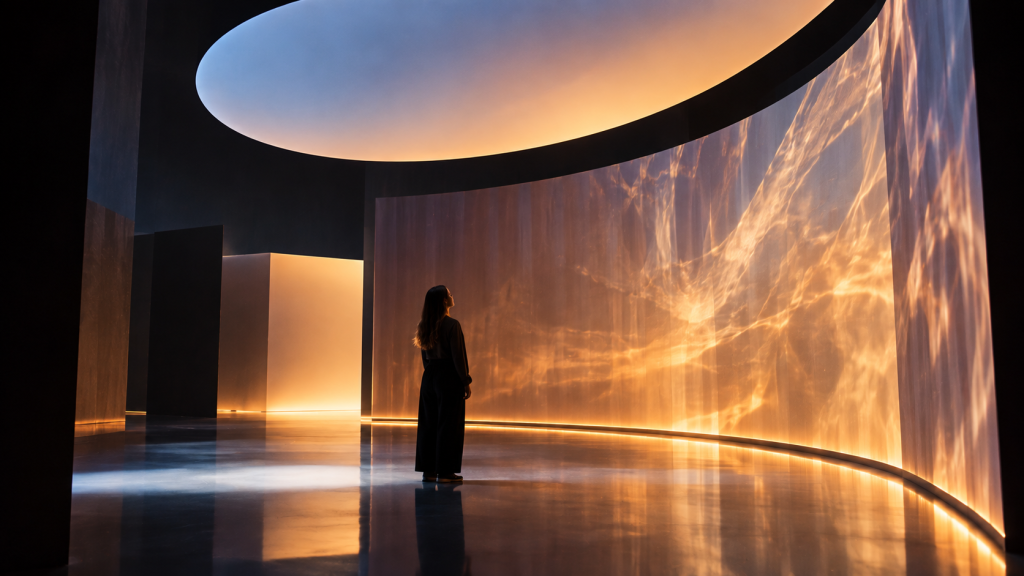
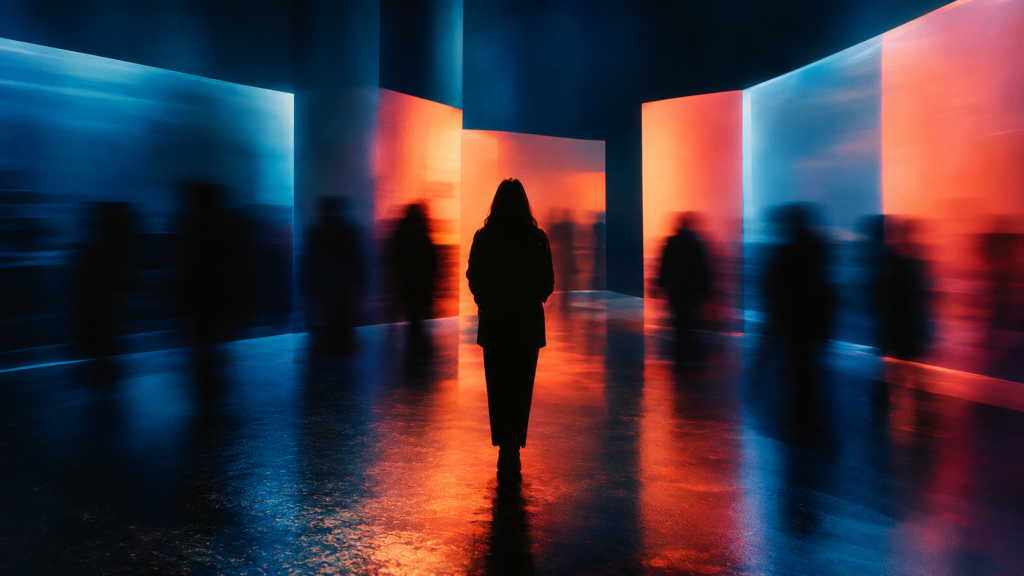
The retail sector has been undergoing a significant transformation in recent years, a transformation driven by new technologies and shifts in consumer behavior.
Today’s retail stores face constant challenges to stay competitive in an increasingly dynamic market, where the end consumer’s shopping experience goes far beyond a simple transaction.
With consumers becoming more and more demanding when buying a product or hiring a service, physical stores need to adapt to meet new expectations, combining convenience, personalization, and technological innovation.
Traditional retail management as we know it, focused mainly on manual processes and in-person service, is giving way to more agile and integrated solutions, using systems and tools that automate and optimize operations.
In addition, the concept of self-service retail has been gaining more and more momentum these days, offering consumers a faster and more efficient experience, which puts additional pressure on physical stores to innovate constantly.
This shows how the future of physical stores is closely tied to adopting technologies that improve both the consumer experience and operational efficiency, bringing benefits that will be enjoyed by customers as well as by your store’s staff and sales associates.
Against this backdrop, today we’ll explore the emerging trends shaping the future of brick-and-mortar retail, showing how stores can use these innovations to stay relevant and competitive in the years ahead.
The technological revolution in brick-and-mortar retail
Before we explore practical strategies, it’s essential to understand the current state of the market and of the retail sector itself, which is undergoing constant transformation driven by advances in technology.
Stores are adopting innovations that enhance the consumer experience and optimize retail management, ensuring greater operational efficiency and competitiveness against their rivals in the market.
In fact, according to CX Trends 2023, 87% of consumers prefer brands that offer a good experience, and, what’s more, 75% of respondents say they do so even if they have to pay more. This new behavior reinforces the need for significant changes in retail.
For example, self-service retail has been gaining ground in this conversation, allowing customers to shop on their own through interactive kiosks or apps, reducing lines and increasing convenience.
In addition, options such as buy online, pick up in store have also grown, highlighting the importance of omnichannel, which means delivering a high-quality experience to the end consumer both online and in person.
Artificial intelligence (AI) couldn’t be left out of this discussion, as it also plays a central role in the future of physical stores. With it, retail systems analyze consumer behavior in real time, enabling personalized recommendations that increase conversion rates by up to 30%, according to Salesforce.
At the same time, automation is revolutionizing retail management by optimizing inventory control, forecasting demand, and reducing waste. Amazon Go, for example, uses sensors and algorithms to offer a cashierless checkout experience, eliminating friction in the shopping journey.
IKEA, a Swedish multinational specializing in furniture, home decor, and household goods, uses its AR app to let customers visualize furniture in their own spaces before buying, resulting in higher sales conversion.
All of this shows us that the future of retail stores lies in the convergence of innovation and experience. Companies that invest in technology not only provide more dynamic service but also ensure faster, more efficient internal processes.
In an increasingly competitive, consumer-experience-driven market, adopting technology in brick-and-mortar retail is no longer a differentiator but a necessity for your brand’s survival and sustainable growth.
Technology trends in retail
Now that we have a better understanding of how trends in the retail sector relate to their importance for physical stores and end consumers, it’s time to see this world in practice.
To do that, we’ve selected some of the hottest technology trends on the market that can inspire you to bring innovation to your store and a unique experience to your end consumer. Check them out!
1 – Artificial intelligence for personalization and customer service
Starting with the most talked-about one lately, Artificial Intelligence (AI) is transforming the way retail stores interact with consumers, with systems that can offer a more personalized and efficient experience, as well as analyze customer behavior data in real time.
Many retail stores are using chatbots, which are AI programs, to provide instant customer service, along with personalized recommendation systems that help predict which products a customer might want, creating targeted promotions for each consumer profile.
2 – Augmented Reality (AR) and Virtual Reality (VR) for immersive experiences
Immersive technologies such as augmented reality (AR) and virtual reality (VR) couldn’t be left off this list, as they are revolutionizing the shopping experience in brick-and-mortar retail. Both allow consumers to interact with products in innovative ways without having to physically touch them, as in the case of IKEA, which we mentioned earlier.
Fashion stores, for example, are adopting AR so consumers can virtually “try on” clothing and accessories without physically putting them on. Furniture brands, meanwhile, use VR to let customers visualize how products will look in their homes, creating a more engaging and personalized shopping experience.
3 – Facial recognition and biometric payment technology
A very common and already widely used trend is biometrics, such as facial recognition and fingerprints, which continue to gain momentum in retail. This technology enables a faster, more secure, and more convenient payment process, which improves the shopping experience in brick-and-mortar retail stores.
The idea is to implement facial recognition systems to authorize payments so that customers can make purchases without needing credit cards or smartphones, providing a faster, hassle-free payment experience.
4 – Internet of Things (IoT) for smart stores
Last but far from least, the Internet of Things (IoT) is connecting everyday devices and objects to the internet, allowing them to communicate with one another and optimize retail store operations.
IoT sensors, for example, can monitor customer traffic inside the store and automatically adjust the environment, such as lighting and music, to create a more pleasant shopping experience. In addition, connected smart shelves can track inventory levels in real time and send alerts when products need to be restocked.
These technology trends are transforming brick-and-mortar retail, giving consumers a more personalized, interactive and convenient shopping experience, while enabling stores to improve retail management and become more efficient and competitive.
Adopting these innovations is essential for retail stores to adapt to consumers’ new expectations and stay relevant in an increasingly dynamic market.
Adapting to the future of brick-and-mortar retail
Brick-and-mortar retail is constantly evolving, driven by innovations such as artificial intelligence (AI), augmented reality (AR), facial recognition and the Internet of Things (IoT).
These technologies not only deliver more personalized and efficient experiences for consumers, but also revolutionize retail management, making processes more agile and strategic.
To stay competitive and stand out in the market, retail stores need to invest continuously in innovation, keeping pace with changes in consumer behavior and with what’s emerging across the market as a whole.
Adopting modern retail systems, combined with solutions such as self-service retail and data-driven personalization, is essential to meet new customer demands and ensure a seamless, engaging shopping experience.
In this dynamic landscape, we can’t fail to mention the work of Alice Wonders, a strategic partner for brands looking to transform their physical stores into interactive, connected spaces.
With innovative solutions that bring together technology and customer experience, Alice Wonders helps companies create immersive environments, making the shopping journey more engaging and efficient.
The future of retail is already here, and having the right tools and partners on this journey makes all the difference in standing out in an increasingly digital and competitive market.
Inscreva-se em nossa Newsletter
Receba no seu email todas as novidades do nosso blog sobre tecnologia e varejo, além de ficar por dentro do novos projetos Alice Wonders.
Thank you for subscribing.
Something went wrong.
Respeitamos sua privacidade e levamos a sério a sua proteção