The New Retail 2024: How Experiences and Emotions Are Redefining Retail Comments Off on The New Retail 2024: How Experiences and Emotions Are Redefining Retail 1922

Welcome to the new retail landscape of 2024!

If you’re a retailer looking to stand out in an increasingly saturated and digital market, you’ve probably already noticed that the rules of the game have changed.

Forget the idea that low prices and attractive promotions are enough to secure customer loyalty. In this new landscape, it’s the experience and emotions you deliver that will put you ahead of the competition.

So, what changed to spark this revolution? Let’s dive into the world of “New Retail” and find out why and how experiences and emotions have become the new gold of modern commerce.

The Evolution of New Retail 2024: From Transactions to Memorable Experiences

Have you ever wondered how retail evolved into what it is today? Let’s take a quick trip back in time to understand this transformation and how experiences and emotions came to play such a crucial role.

In the past, retail was mostly about transactions: the customer walked in, bought what they needed, and left. Everything was very functional, but also pretty impersonal.

With the rise of e-commerce and the spread of social media, brands had to change their approach to stay relevant. That’s when the idea emerged that delivering a “shopping experience” was essential.

The turn of the millennium brought a paradigm shift. With the rise of online stores, competition intensified and prices dropped. But as a retailer, you already know that low prices are no longer the only deciding factor for consumers.

Today’s customers are looking for something more, something that touches their emotions and creates a deeper connection with the brand.

Now we’re in the new retail of 2024, and this trend has evolved. Emotions and experiences have become strategic tools for building customer loyalty and driving sustainable long-term sales. That doesn’t mean price and quality are no longer important; on the contrary, they’re now the foundation on which you need to build these unforgettable experiences.

The Impact of Technology: Turning Shopping into Unique Experiences

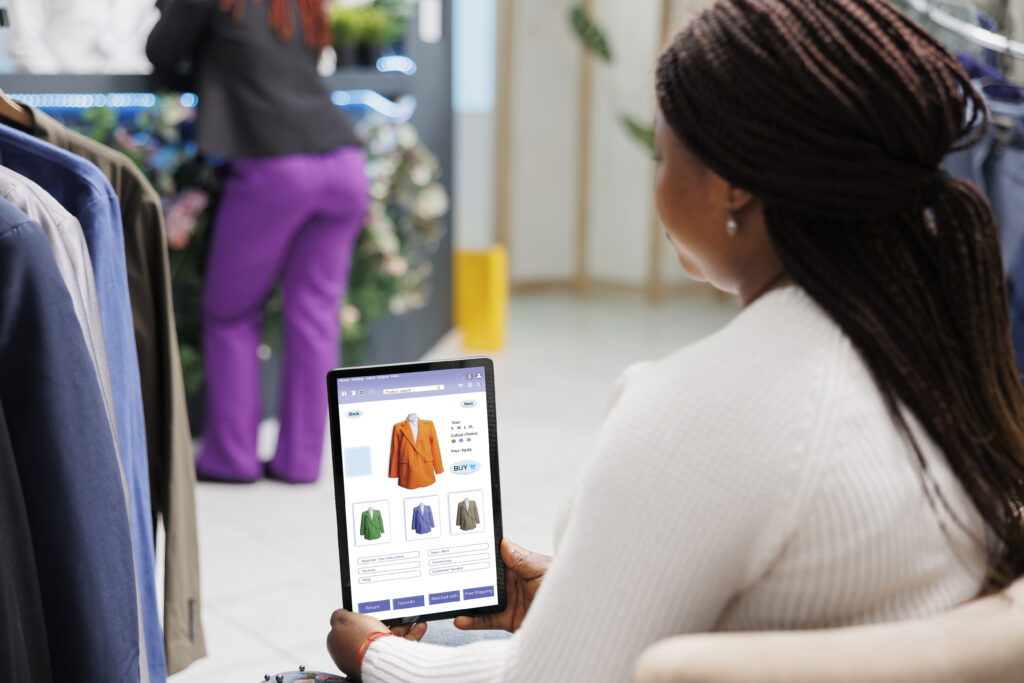
You may be wondering: how can technology really enhance experiences and emotions in brick-and-mortar retail? The answer is simple: it doesn’t just enhance them, it completely redefines the way you interact with your customers.

  • Let’s start with smart sensors that detect when a customer enters the store and which section they spend the most time in.
    This information can be used to adjust the lighting, music, or even the scent of the space, creating a personalized and immersive shopping experience.
  • Another innovation is Augmented Reality (AR). Have you ever thought about letting your customers see how a product will look in their home before they buy it? Thanks to AR, that’s entirely possible.
    Now your customers can get a realistic preview of what they’re buying, boosting their confidence in the purchase decision and, as a result, their satisfaction.
  • And of course, we can’t forget about payment systems. Self-checkout and mobile payment solutions don’t just cut down on lines; they also give customers control over their own shopping experience, something many of them value.

So, what do these technological advances mean for you as a retailer? They offer exciting new ways to create rich, emotional experiences for your customers. In a world where competition is fierce and customer loyalty is fleeting, innovating in how you use technology is the key to standing out.

The Importance of Experiences and Emotions:

First, let’s talk about experience. It’s not just the product that’s at stake here; it’s your store’s entire environment, from the entrance to the checkout. It’s the salesperson’s warm smile, the comfort of the space, how easy it is to find what you’re looking for. When you deliver a pleasant experience, customers feel valued, and they’re more likely to come back.

Now, about emotions. Studies show that purchasing decisions are highly emotional. A satisfied customer not only comes back but also becomes an advocate for your business. You can capitalize on this by creating “moments” that evoke positive emotions. It could be a surprise promotion, an exclusive product, or even an in-store event.

A well-orchestrated combination of experiences and emotions creates a bond between the customer and your brand. And that bond is what will bring customers back to your store.

Now you might be asking yourself: “How do I put this into practice?” Well, every store is unique, but technology is here to help. Whether through an interactive screen that offers personalized promotions or immersive environments with light and sound that envelop the customer, the possibilities are almost endless.

How Experiences and Emotions Are Redefining New Retail 2024

Case 1: White Box and O Boticário – Love Day

For Valentine’s Day, O Boticário wanted to go beyond selling perfumes and cosmetics. In partnership with Alice Wonders, they launched the “Love Center” at Morumbi Shopping, a space that used White Box technology to create a hyper-realistic hologram of influencer Marcela Mc Gowan.

As a “love guru,” Marcela gave relationship advice and helped customers choose gifts. The result? An immersive experience that moved and captivated customers, boosting both sales and the brand’s reputation.

Case 2: XC40 Plug-in Hybrid – Volvo Launch

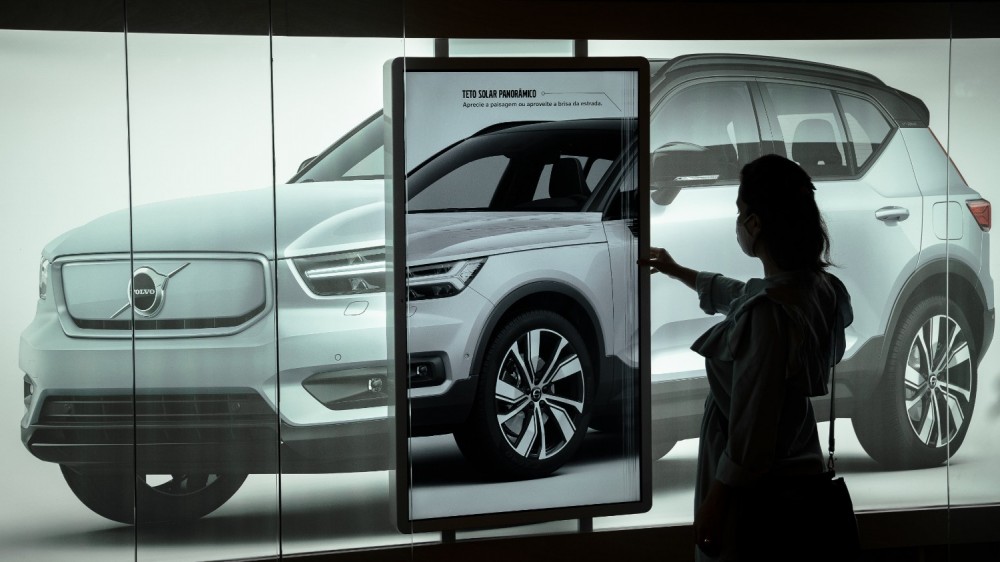
Volvo spared no effort in launching its new hybrid model, the XC40 Plug-in. In collaboration with Alice Wonders and Casulo Colab, the brand used an interactive sliding screen to reveal the car’s features and benefits.

This highly interactive and informative approach created a unique shopping experience, leading customers to form an emotional connection with the vehicle and the brand well before they ever took a test drive.

See also:

Conclusion:

Keeping an eye on the evolution of retail, we understand that the key to success lies in integrating experiences and emotions that go beyond the simple commercial transaction.

Now, if you’re wondering how to embark on this new era of retail, we recommend getting to know Alice Wonders’ technology solutions. We’re at the forefront of creating brick-and-mortar retail experiences that don’t just attract customers, but also move them and build their loyalty.

Ready to turn challenges into opportunities and create memorable experiences in your business? Get in touch with us and discover how Alice Wonders can help you do exactly that.

Frequently Asked Questions (FAQ)

What’s more important: technology or customer experience? Both are crucial, and they complement each other. Technology serves as a tool to enhance the customer experience, making it more efficient, personalized, and exciting.

How can technological innovations actually increase sales? By improving the customer experience and making the shopping process more efficient and enjoyable, you increase the likelihood of repeat purchases and positive word of mouth, which in turn drives sales.

What makes Alice Wonders stand out from other retail technology companies? We don’t just provide the technology; we tailor it to create unique experiences that tell your brand’s story and move your customers. It’s this customer-centric approach that sets us apart from the rest.

Inscreva-se em nossa Newsletter

Receba no seu email todas as novidades do nosso blog sobre tecnologia e varejo, além de ficar por dentro do novos projetos Alice Wonders.

Thank you for subscribing.

Something went wrong.

Previous ArticleNext Article

Emerging retail trends: what to expect for the future of physical stores Comments Off on Emerging retail trends: what to expect for the future of physical stores 2092

varejo

The retail sector has been undergoing a significant transformation in recent years, a transformation driven by new technologies and shifts in consumer behavior.

Today’s retail stores face constant challenges to stay competitive in an increasingly dynamic market, where the end consumer’s shopping experience goes far beyond a simple transaction.

With consumers becoming more and more demanding when buying a product or hiring a service, physical stores need to adapt to meet new expectations, combining convenience, personalization, and technological innovation.

Traditional retail management as we know it, focused mainly on manual processes and in-person service, is giving way to more agile and integrated solutions, using systems and tools that automate and optimize operations.

In addition, the concept of self-service retail has been gaining more and more momentum these days, offering consumers a faster and more efficient experience, which puts additional pressure on physical stores to innovate constantly.

This shows how the future of physical stores is closely tied to adopting technologies that improve both the consumer experience and operational efficiency, bringing benefits that will be enjoyed by customers as well as by your store’s staff and sales associates.

Against this backdrop, today we’ll explore the emerging trends shaping the future of brick-and-mortar retail, showing how stores can use these innovations to stay relevant and competitive in the years ahead.

The technological revolution in brick-and-mortar retail

Before we explore practical strategies, it’s essential to understand the current state of the market and of the retail sector itself, which is undergoing constant transformation driven by advances in technology.

Stores are adopting innovations that enhance the consumer experience and optimize retail management, ensuring greater operational efficiency and competitiveness against their rivals in the market.

In fact, according to CX Trends 2023, 87% of consumers prefer brands that offer a good experience, and, what’s more, 75% of respondents say they do so even if they have to pay more. This new behavior reinforces the need for significant changes in retail.

For example, self-service retail has been gaining ground in this conversation, allowing customers to shop on their own through interactive kiosks or apps, reducing lines and increasing convenience.

In addition, options such as buy online, pick up in store have also grown, highlighting the importance of omnichannel, which means delivering a high-quality experience to the end consumer both online and in person.

Artificial intelligence (AI) couldn’t be left out of this discussion, as it also plays a central role in the future of physical stores. With it, retail systems analyze consumer behavior in real time, enabling personalized recommendations that increase conversion rates by up to 30%, according to Salesforce.

At the same time, automation is revolutionizing retail management by optimizing inventory control, forecasting demand, and reducing waste. Amazon Go, for example, uses sensors and algorithms to offer a cashierless checkout experience, eliminating friction in the shopping journey.

IKEA, a Swedish multinational specializing in furniture, home decor, and household goods, uses its AR app to let customers visualize furniture in their own spaces before buying, resulting in higher sales conversion.

All of this shows us that the future of retail stores lies in the convergence of innovation and experience. Companies that invest in technology not only provide more dynamic service but also ensure faster, more efficient internal processes.

In an increasingly competitive, consumer-experience-driven market, adopting technology in brick-and-mortar retail is no longer a differentiator but a necessity for your brand’s survival and sustainable growth.

Technology trends in retail

Now that we have a better understanding of how trends in the retail sector relate to their importance for physical stores and end consumers, it’s time to see this world in practice.

To do that, we’ve selected some of the hottest technology trends on the market that can inspire you to bring innovation to your store and a unique experience to your end consumer. Check them out!

1 – Artificial intelligence for personalization and customer service

Starting with the most talked-about one lately, Artificial Intelligence (AI) is transforming the way retail stores interact with consumers, with systems that can offer a more personalized and efficient experience, as well as analyze customer behavior data in real time.

Many retail stores are using chatbots, which are AI programs, to provide instant customer service, along with personalized recommendation systems that help predict which products a customer might want, creating targeted promotions for each consumer profile.

2 – Augmented Reality (AR) and Virtual Reality (VR) for immersive experiences

Immersive technologies such as augmented reality (AR) and virtual reality (VR) couldn’t be left off this list, as they are revolutionizing the shopping experience in brick-and-mortar retail. Both allow consumers to interact with products in innovative ways without having to physically touch them, as in the case of IKEA, which we mentioned earlier.

Fashion stores, for example, are adopting AR so consumers can virtually “try on” clothing and accessories without physically putting them on. Furniture brands, meanwhile, use VR to let customers visualize how products will look in their homes, creating a more engaging and personalized shopping experience.

3 – Facial recognition and biometric payment technology

A very common and already widely used trend is biometrics, such as facial recognition and fingerprints, which continue to gain momentum in retail. This technology enables a faster, more secure, and more convenient payment process, which improves the shopping experience in brick-and-mortar retail stores.

The idea is to implement facial recognition systems to authorize payments so that customers can make purchases without needing credit cards or smartphones, providing a faster, hassle-free payment experience.

4 – Internet of Things (IoT) for smart stores

Last but far from least, the Internet of Things (IoT) is connecting everyday devices and objects to the internet, allowing them to communicate with one another and optimize retail store operations.

IoT sensors, for example, can monitor customer traffic inside the store and automatically adjust the environment, such as lighting and music, to create a more pleasant shopping experience. In addition, connected smart shelves can track inventory levels in real time and send alerts when products need to be restocked.

These technology trends are transforming brick-and-mortar retail, giving consumers a more personalized, interactive and convenient shopping experience, while enabling stores to improve retail management and become more efficient and competitive.

Adopting these innovations is essential for retail stores to adapt to consumers’ new expectations and stay relevant in an increasingly dynamic market.

Adapting to the future of brick-and-mortar retail

Brick-and-mortar retail is constantly evolving, driven by innovations such as artificial intelligence (AI), augmented reality (AR), facial recognition and the Internet of Things (IoT).

These technologies not only deliver more personalized and efficient experiences for consumers, but also revolutionize retail management, making processes more agile and strategic.

To stay competitive and stand out in the market, retail stores need to invest continuously in innovation, keeping pace with changes in consumer behavior and with what’s emerging across the market as a whole.

Adopting modern retail systems, combined with solutions such as self-service retail and data-driven personalization, is essential to meet new customer demands and ensure a seamless, engaging shopping experience.

In this dynamic landscape, we can’t fail to mention the work of Alice Wonders, a strategic partner for brands looking to transform their physical stores into interactive, connected spaces.

With innovative solutions that bring together technology and customer experience, Alice Wonders helps companies create immersive environments, making the shopping journey more engaging and efficient.

The future of retail is already here, and having the right tools and partners on this journey makes all the difference in standing out in an increasingly digital and competitive market.

Inscreva-se em nossa Newsletter

Receba no seu email todas as novidades do nosso blog sobre tecnologia e varejo, além de ficar por dentro do novos projetos Alice Wonders.

Thank you for subscribing.

Something went wrong.

Why Is Working with Data Important for Your Store? Comments Off on Why Is Working with Data Important for Your Store? 1188

dados

Did you know that by collecting data from your customers, you can transform your store and improve sales, making them increasingly targeted and qualified?

That’s because working with data is one of the biggest differentiators in retail: it provides valuable information that can help you build an efficient sales funnel and make strategic decisions.

Data collection at the POS (Point of Sale)

The moment a customer walks into your store, they leave behind a trail of valuable information. From purchasing behavior to interactions with specific products, every customer action can be turned into data that helps you better understand their preferences and needs.

When analyzed correctly, this data generates insights that go beyond surface-level observations, enabling more strategic actions.

How does data help the sales funnel?

By observing customer behavior, you can map each stage of the sales funnel — from attraction, through engagement, all the way to conversion. This lets you personalize the shopping experience, increasing your chances of closing the sale.

With data collection, you can, for example, understand which products draw the most attention, which areas of the store generate the most traffic, and even predict customer preferences, delivering personalized offers.

-> Meet Granometrics.io

Alice Wonders’ Granometrics.io is an innovative multisensor platform that turns the physical store into a powerful source of data for strategic decision-making. Using advanced technology, it maps the store’s physical space, analyzing and delivering insights so retailers can act with greater precision and efficiency.

On top of that, Granometrics.io lets you measure shopper interest, map behavior by zone, and analyze interest by category and SKU.

The platform offers a granular, strategic view that helps optimize operations, improve the customer experience, and maximize sales results in the physical environment. It’s an essential solution for anyone looking to combine innovation and performance in retail.

What are data and insights?

Although many people confuse the two terms, it’s important to understand that data is the raw information you collect. Insights, on the other hand, are the conclusions or actions that can be drawn from that data.

By embracing a Data-Driven culture, your store becomes more efficient, making decisions based on real information rather than assumptions. For example, data might show that a certain product is in high demand, while an insight reveals how to position it better in the store to maximize sales.

The importance of a Data-Driven approach

Adopting a Data-Driven approach means making informed, strategic choices. If you’re not collecting this data, you’re missing out on valuable opportunities to optimize your business. With the right analysis, you can identify trends, anticipate customer needs, and proactively adjust your product offering.

In addition, a well-structured POS, built on data and insights, helps improve the customer experience. By better understanding consumer behavior, you can create a more appealing environment, with products and offers that truly meet your audience’s expectations, fostering loyalty and boosting retention rates.

Conclusion

Investing in data and insights isn’t just about modernizing your store; it’s about building a solid sales strategy grounded in a deep understanding of your customers. By using this information correctly, you can optimize your sales funnel, increase conversion, and deliver richer, more satisfying experiences to your consumers.

Inscreva-se em nossa Newsletter

Receba no seu email todas as novidades do nosso blog sobre tecnologia e varejo, além de ficar por dentro do novos projetos Alice Wonders.

Thank you for subscribing.

Something went wrong.

Most Popular Topics

Editor Picks

Send this to a friend