Did you know that by collecting data from your customers, you can transform your store and improve sales, making them increasingly targeted and qualified?
That’s because working with data is one of the biggest differentiators in retail: it provides valuable information that can help you build an efficient sales funnel and make strategic decisions.
Data collection at the POS (Point of Sale)
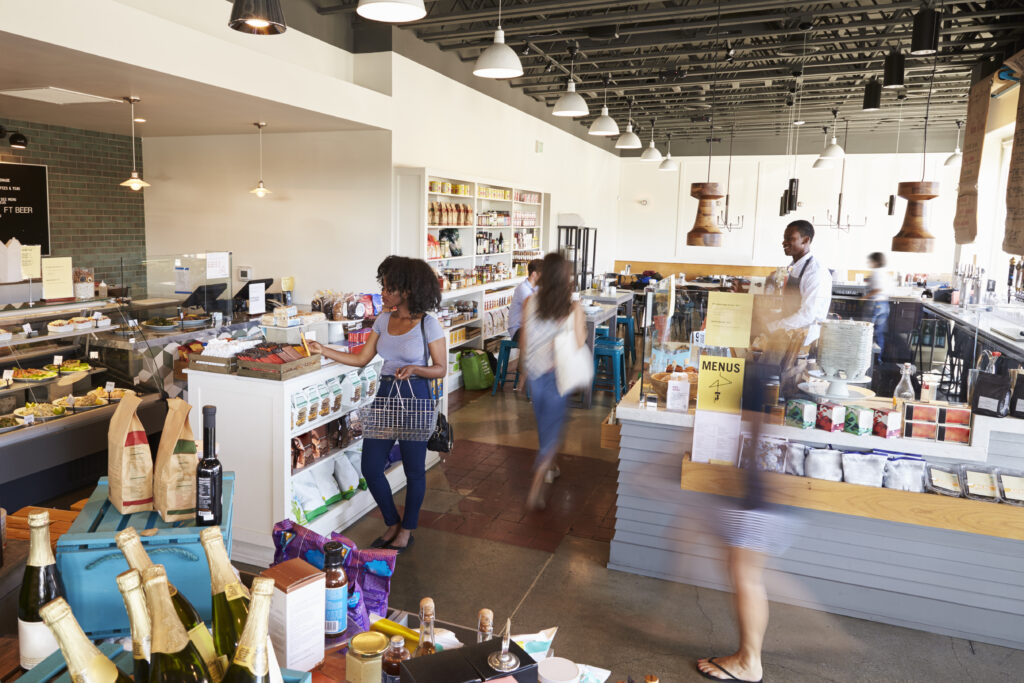
The moment a customer walks into your store, they leave behind a trail of valuable information. From purchasing behavior to interactions with specific products, every customer action can be turned into data that helps you better understand their preferences and needs.
By observing customer behavior, you can map each stage of the sales funnel — from attraction, through engagement, all the way to conversion. This lets you personalize the shopping experience, increasing your chances of closing the sale.
With data collection, you can, for example, understand which products draw the most attention, which areas of the store generate the most traffic, and even predict customer preferences, delivering personalized offers.
-> Meet Granometrics.io
Alice Wonders’ Granometrics.io is an innovative multisensor platform that turns the physical store into a powerful source of data for strategic decision-making. Using advanced technology, it maps the store’s physical space, analyzing and delivering insights so retailers can act with greater precision and efficiency.
On top of that, Granometrics.io lets you measure shopper interest, map behavior by zone, and analyze interest by category and SKU.
The platform offers a granular, strategic view that helps optimize operations, improve the customer experience, and maximize sales results in the physical environment. It’s an essential solution for anyone looking to combine innovation and performance in retail.
What are data and insights?
Although many people confuse the two terms, it’s important to understand that data is the raw information you collect. Insights, on the other hand, are the conclusions or actions that can be drawn from that data.
By embracing a Data-Driven culture, your store becomes more efficient, making decisions based on real information rather than assumptions. For example, data might show that a certain product is in high demand, while an insight reveals how to position it better in the store to maximize sales.
The importance of a Data-Driven approach
Adopting a Data-Driven approach means making informed, strategic choices. If you’re not collecting this data, you’re missing out on valuable opportunities to optimize your business. With the right analysis, you can identify trends, anticipate customer needs, and proactively adjust your product offering.
In addition, a well-structured POS, built on data and insights, helps improve the customer experience. By better understanding consumer behavior, you can create a more appealing environment, with products and offers that truly meet your audience’s expectations, fostering loyalty and boosting retention rates.
Conclusion
Investing in data and insights isn’t just about modernizing your store; it’s about building a solid sales strategy grounded in a deep understanding of your customers. By using this information correctly, you can optimize your sales funnel, increase conversion, and deliver richer, more satisfying experiences to your consumers.
In a constantly shifting landscape, where consumers are hit every day by an avalanche of information and offers, standing out in retail has become a significant challenge. More than simply showcasing products or services, it’s essential to deliver immersive experiences that engage and delight audiences, building deep emotional connections with the brand.
Immersive experiences go beyond traditional marketing approaches. They aim to draw consumers into sensory, interactive environments, sparking emotions and creating lasting memories. This strategy is particularly effective in retail, where blending physical and digital elements can turn the shopping journey into a memorable experience.
In today’s market, where authenticity and personalization are highly valued, immersive experiences are emerging as an effective way to meet consumer expectations. By creating meaningful, engaging moments, brands can build stronger, longer-lasting bonds with their audiences.
With that in mind, in this article we’ll explore the concept of immersive experiences, why they matter for strengthening the connection between consumers and brands, and how this approach can be applied effectively in retail to create memorable connections.
What are immersive experiences?
To start, we need to understand that immersive experiences represent an innovative approach to the relationship between consumers and brands, especially in retail. They involve creating interactive, sensory environments that give audiences a one-of-a-kind experience, going beyond simple exposure to products or services.
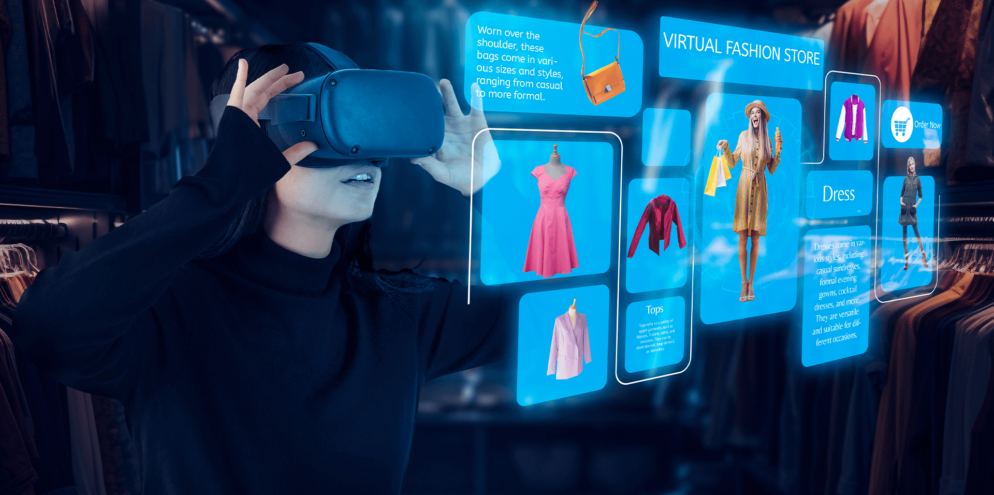
Using technologies such as augmented reality (AR), virtual reality (VR) and interactive projections, these experiences aim to engage consumers emotionally, strengthening their connection with the brand. In retail, immersive experiences have proven effective at enhancing the shopping journey.
For example, implementing augmented reality on e-commerce platforms led to a 70% increase in conversion rate, along with an 89% increase in average time spent on site and a 39% rise in add-to-cart rate.
These figures highlight the positive impact of immersive technologies on online sales performance. What’s more, demand for more engaging experiences is on the rise across the market and around the world.
According to the global CX Trends study presented by Zendesk, 61% of consumers expect increasingly natural, seamless interactions with brands, signaling a preference for experiences that go beyond traditional customer service methods.
These trends show that immersive experiences aren’t just a technological innovation, but a response to the expectations of modern consumers, making them fall in love with your brand without even realizing it.
By investing in this kind of approach, retail brands have the opportunity to stand out, offering memorable experiences that strengthen their bond with audiences and drive business results.
In an increasingly competitive retail environment, capturing and holding consumers’ attention takes more than good deals or eye-catching campaigns. Immersive experiences have emerged as a strategic and emotionally powerful way to transform the relationship between consumer and brand.
They don’t just present a product or service; they engage, surprise and create meaning. When well planned, immersive experiences give audiences the feeling of living something unique and personalized, something that goes beyond the logic of buying and selling.
This experience, even if brief, creates an emotional memory that is directly associated with the brand. The connection doesn’t depend only on a good product, but on the positive feeling generated by the experience as a whole.
This approach is especially effective because it puts the consumer at the center of the story. They’re not just looking; they’re interacting, touching, feeling and participating. In other words, they’re immersed.
And the greater the emotional involvement, the greater the chance that this relationship turns into loyalty and purchase preference. Here are some of the reasons immersive experiences are so effective:
They activate the consumer’s senses;
They foster real interaction with the brand;
They create lasting emotional memories;
They make the brand stand out at the point of sale;
They build a relationship of trust and closeness.
In retail, where purchase decisions often happen in seconds, creating this kind of connection can be decisive. More than presenting something new, an immersive experience makes consumers feel they’re living something made just for them, and that in itself is memorable.
Real-world examples of brands that have embraced immersive experiences
Immersive experiences aren’t just a retail trend; they’re a necessity for building deeper emotional connections between brands and consumers. They don’t just grab attention, they actively engage customers, creating a memorable experience that can influence their purchase decisions.
So, with this landscape in mind, we’ve put together a few examples to show and inspire you, highlighting how brands are using these experiences to innovate and stand out in a competitive market. Check them out:
Augmented reality for virtual try-ons
Augmented reality has been transforming the way people interact with products, especially in sectors like furniture. Some brands already use this technology in their online stores, letting shoppers see in real time how items would look in their own spaces before making a purchase. This removes customer uncertainty and leads to more confident buying decisions.
In physical stores, AR is also being used to make choosing products more fun and interactive. For example, in some furniture stores, customers can point their mobile devices at empty spaces and see different pieces of furniture in place, helping them make faster, better-informed purchase decisions.
Kappesberg uses augmented reality to let customers see its furniture at full scale, right in the space where it will be installed.
Interactive installations and immersive storytelling
Fashion brands have been exploring interactive installations as part of their marketing strategies to create a unique, engaging shopping experience. A pop-up store, for example, can be designed with projections that respond to customers’ movements or sensory installations that build a visual and sonic narrative. These elements make the store more than just a place to buy products; it becomes a space for immersion and storytelling.
These immersive narratives are designed to connect shoppers emotionally with the brand, creating a journey through the store environment. The experience goes beyond the purchase, making shoppers feel like part of a story, which can build a stronger, longer-lasting bond with the brand.
Adidas presents an immersive pop-up with reactive projections and interactive technology that turns the brand space into a sensory experience.
Creative collaborations and pop-up stores
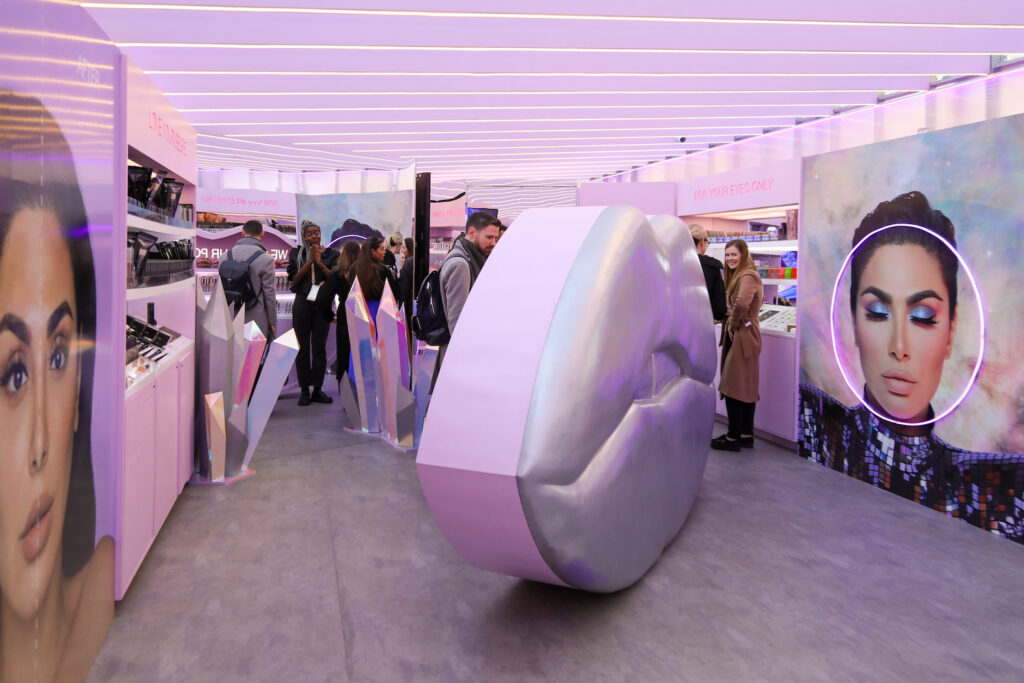
Pop-up stores are a perfect example of how brands are using immersive experiences to create a sense of urgency and exclusivity. One cosmetics brand, for example, partnered with a major music festival to create an immersive sensory experience. Festivalgoers were invited to interact with the products in creative ways, stimulating all their senses and deepening their connection with the brand.
These experiences, limited in time and space, not only generate immediate impact but also create a sense of belonging among shoppers, who feel privileged to be part of something exclusive. On top of that, this kind of activation helps reinforce the brand’s values and identity, making it more authentic and closer to its audience.
Huda Beauty bets on immersive technology with its Covent Garden pop-up, using interactive lighting and futuristic design to reinvent the brick-and-mortar retail experience.
These are just a few examples showing how immersive retail experiences can create a lasting emotional bond with shoppers, turning shopping into not just a transaction but a one-of-a-kind experience.
By exploring these techniques, brands have the chance to stand out in an increasingly competitive market and earn a meaningful place in the minds and hearts of their audiences.
Trends: the future of immersive experiences
Creating successful immersive experiences isn’t just about investing in advanced technologies or innovative strategies; it’s about aligning those experiences with the brand’s values and the shopper’s emotional needs.
In retail, an effective immersive experience is one that makes customers feel special and part of something bigger, strengthening their emotional connection with the brand, which, as we well know, is essential.
It’s also crucial for immersive experiences to be seamlessly integrated with sales channels, both online and offline. This means that when planning a brand experience, you should consider how it can extend beyond the physical point of sale and adapt to digital formats, creating a unified, consistent journey.
Brands need to get creative in finding ways to connect with their shoppers at different moments and in different contexts, whether through pop-up stores, exclusive events, or digital activations that encourage active participation and engagement.
Investing in immersive experiences is therefore more than a passing trend; it’s a strategic way to build deeper, more meaningful relationships between a brand and its shoppers.
By doing so, brands not only stand out in the competitive world of retail but also have the opportunity to cultivate loyalty and deliver an experience that will be remembered, shared, and ultimately lived authentically.
The phygital concept is transforming retail, bringing together the best of the physical and digital worlds to create immersive, personalized experiences at the point of sale (POS). By combining technology, innovative design and real-time interaction, some stores are taking the customer experience to a whole new level.
Check out five phygital stores that are revolutionizing retail:
1. Bandai Namco Cross Store: a paradise for Japanese pop culture fans
If you’re a fan of anime, games and collectibles, you’ll love the Bandai Namco Cross Store in the United States. Following the success of the London location, this megastore in Industry City brings all of the company’s iconic brands together under one roof:
10 official spaces dedicated to exclusive Bandai Namco products;
Anime and gaming collectibles and figures;
Exclusive card games, such as the One Piece Card Game;
The nostalgic return of Tamagotchis;
PAC-MAN, Tekken and Dragon Ball merchandise.
Located in Industry City’s Japan Village, the store offers an immersive experience, complete with a Japanese market, food stalls, a sake shop and much more. More than just a point of sale, the Cross Store is a place to experience the Bandai Namco universe in an authentic, interactive way.
2. Adore Beauty: technology and personalization in brick-and-mortar retail
Adore Beauty, known for revolutionizing beauty e-commerce, has expanded its strategy into physical stores. Its Melbourne location is a true hub of technology and personalized experience.
The store features the Observ 520x, which performs a detailed digital skin analysis for personalized recommendations; an event and masterclass space that brings customers and brands closer together; and more than 300 brands, creating a complete assortment for different consumer profiles.
By investing in an interactive environment, Adore Beauty reinforces its commitment to innovation and expertise in the beauty industry.
3. Nike House of Innovation: The Future of Retail in New York
Located on Fifth Avenue in Manhattan, the Nike House of Innovation redefines the brick-and-mortar store concept with six floors of technology and interactive design.
The space features mobile payments and access to information via QR codes; digitally activated, customized Scenic mannequin bases; and multisensory environments that connect shoppers directly to the brand.
By combining digital and physical elements, the Nike House of Innovation is an example of high-performance phygital retail
4. Jacquemus Boutique in Paris: phygital gaining momentum
The Jacquemus boutique on Avenue Montaigne in Paris is an invitation to interactivity and immersive experiences. With a storefront window featuring a vintage computer displaying the message “site down,” the space encourages people to explore the store in person.
The space also boasts a minimalist, luxurious design that showcases the products like works of art, along with a facade of large windows that flood the space with light and reinforce the brand’s modern aesthetic. The store turns shopping into a sensory experience that blends technology, design and exclusivity.
5. Bauducco’s Ecoparada: experience and interactivity across 1,000 m²
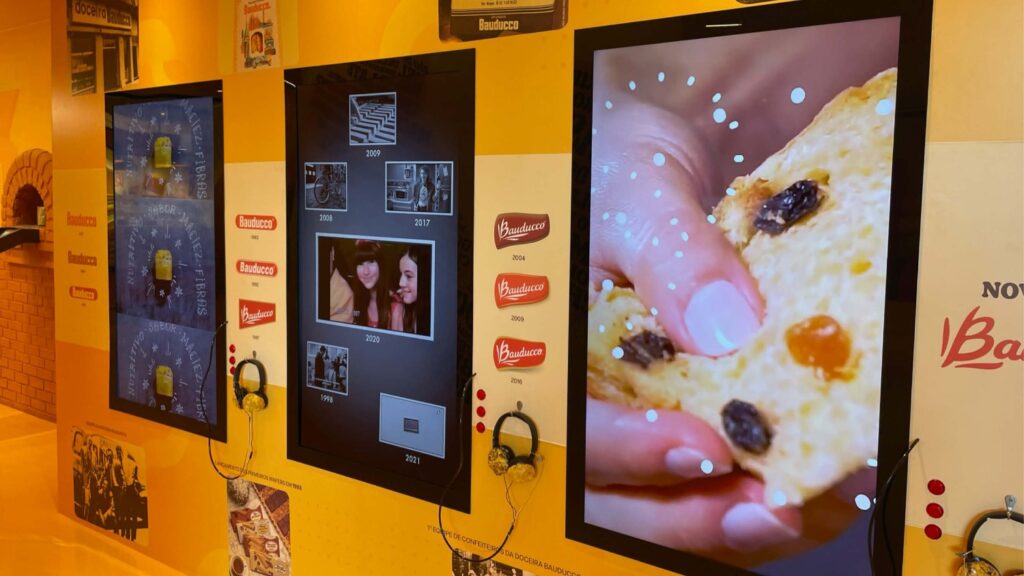
Bauducco’s Ecoparada is a concept store that takes interactivity to another level. Spanning more than 1,000 m², the space offers an immersive dive into the brand’s history and production, all through:
Custom panettone making in a playful, interactive space;
Big screens with headphones, allowing visitors to watch the story of Bauducco;
Live panettone production, bringing consumers closer to the brand.
Ecoparada Bauducco is an example of how phygital can turn the POS into a space for experience and connection with customers.
Conclusion
Phygital retail is redefining the point of sale, creating immersive, interactive experiences that engage consumers in innovative ways. By integrating technology, personalization and interactivity, these stores show that the future of retail is a perfect blend of physical and digital.
Whether through personalized analyses, interactive storefronts or digital art installations, brands that invest in phygital are creating new ways to drive engagement and loyalty. Keep an eye on these trends and follow along as retail continues to evolve in the years ahead!