It may seem redundant to talk about technology when discussing the challenges facing retail, but since businesses now have to deal with a new kind of consumer, one who moves back and forth between the online store and the physical store, the topic always ends up front and center.
Beyond the usual challenges the industry faces in a stable market, the situation became even more complex when the country’s economic crisis hit customers’ purchasing power, dealing a blow to sales.
How do you tackle this whole scenario and still outpace the competition? By seeking out innovative solutions and taking advantage of the market’s recovery! So get a better understanding of the challenges, learn about the alternatives, and find out how to move forward with confidence!
What are the main challenges facing retail today?
The difficulties the market has faced, now that it is already in a recovery phase, are discussed at conventions and conferences that bring together business owners, leaders, and retail industry experts. The main challenges include:
Bringing innovation to the Brazilian market
The main obstacle is the culture of the retail market in Brazil. The industry is still reluctant to adopt different kinds of solutions — ones that are already in practice abroad.
In part, this is because the country operates by its own logic, with its own particular characteristics. It’s important to bring in interesting references and initiatives, but adapted to the reality of the country’s consumer market.
Another point is that innovation needs to be demystified. Innovating shouldn’t be seen as a far-off concept. There are different forms of innovation, and for every business, there are viable alternatives.
The idea that innovating means breaking away from the previous model and taking on high risk is paralyzing for the market. In reality, innovation can be practiced at different levels, each with a certain degree of commitment and boldness.
Integrating sales channels
Today’s consumers interact across different channels. They want to research a product online calmly, comfortably, and without interruptions, and only then head to the physical store to confirm their impressions of the product.
We’re talking about the consumer 2.0, a result of how today’s consumer relationships have evolved. Industry publications frequently draw attention to this type of consumer, who interacts more directly with brands, posts about their shopping experiences, and expects real-time responses.
Integrating online and offline channels becomes necessary to make the customer’s shopping journey easier, providing information and shortening processes to simplify the final decision.
That’s because this is the new behavior of the global consumer: people get their questions answered through messaging apps, then visit the physical store, and in the end, evaluate the brand’s service as a whole, not limited to one channel or another.
Improving the customer experience
The challenge of delivering better experiences is broader than you might think. For example, if consumers can buy online, what becomes the differentiator of the physical store?
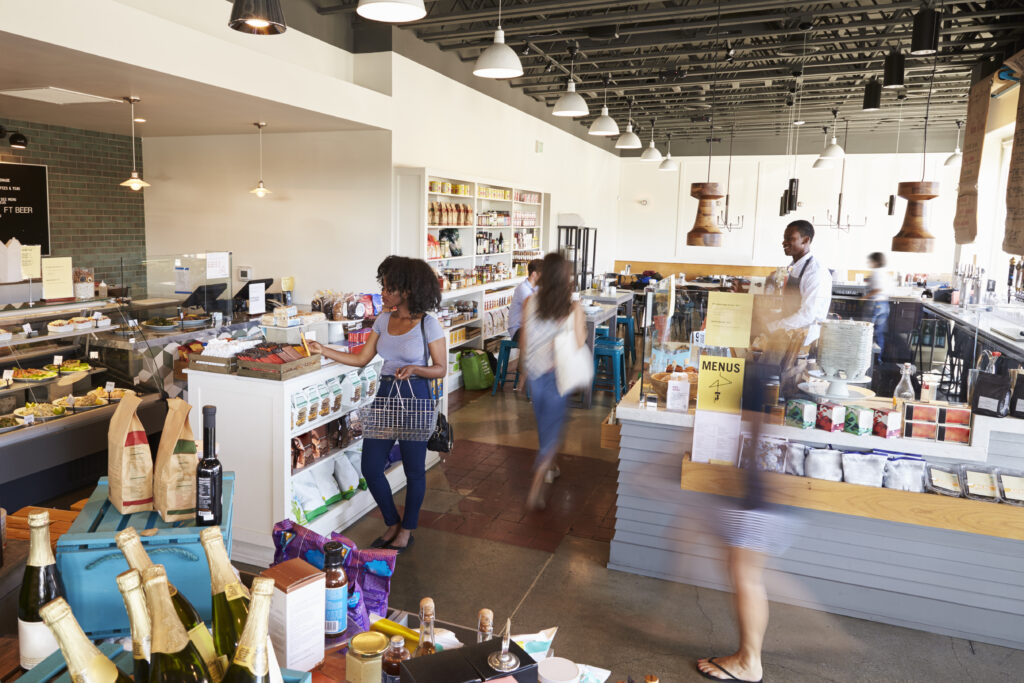
In some countries, physical stores have become product experience centers where nothing is sold. To make a purchase, the customer goes to the most conveniently located store. Or simply orders online, with home delivery.
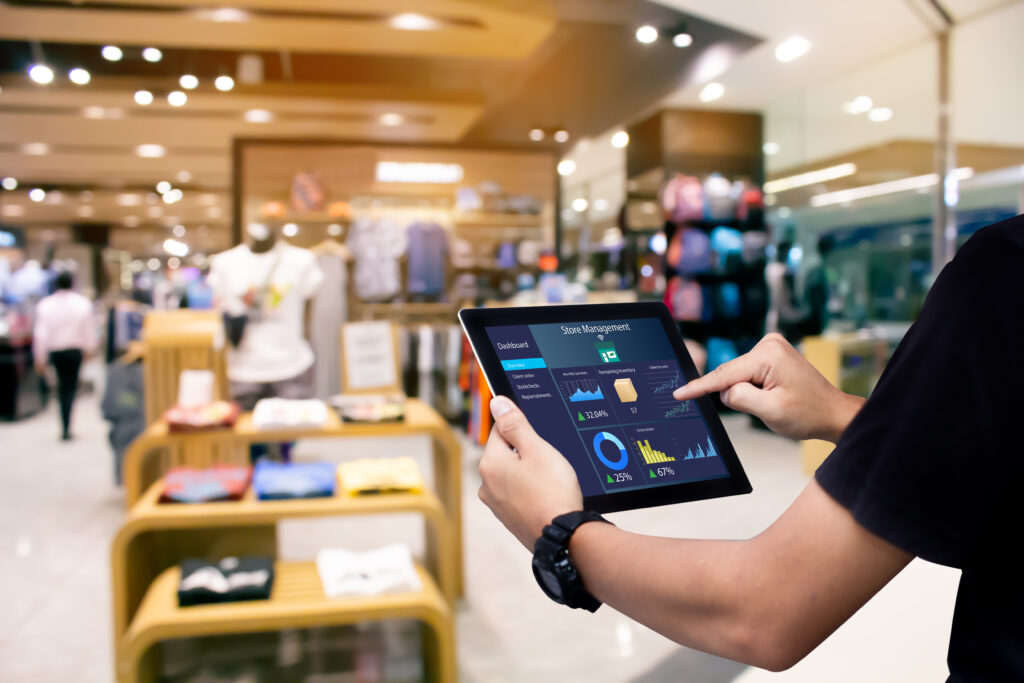
Another key aspect of improving the customer experience is also related to technology. By analyzing the data collected through specific tools, it’s possible to predict behaviors and deliver exactly what the customer is looking for. That way, the brand delivers a valuable experience that stands out from the ordinary.
It’s worth remembering that any interface, even if it isn’t the best, is useful for understanding the customer’s shopping experience. Factors such as innovating in sensory interaction and creating a distinctive environment at the point of sale (POS) can be decisive.
There’s no doubt that e-commerce is booming. In countries like Germany, following violent terrorist attacks, this channel has been the engine driving sales. When it comes to online shopping, it’s also essential to think about improving the user experience on mobile devices.
Having staff trained to use technology
To deal with the new type of consumer, you need professionals who understand them. So the challenge here is to bring together, whether by investing in hiring or training, employees with the necessary skills. In general, these are multi-skilled professionals who are comfortable with technology tools.
How are companies tackling these challenges?
Today, retail spans multiple channels, offers content and a variety of ways to make a purchase, drives engagement, and seeks to better understand consumers’ desires. Ignoring this reality or waiting for it all to “blow over” is a big mistake.
In Brazil, companies are already investing in technology. However, a change in attitude toward how it’s used is the real driver of transformation — and on that front, the industry hasn’t made progress yet.
Studies assessing digital transformation in retail indicate that investment in technology is a priority in South America — though still at an early stage. One example is retail chains that have replaced stores holding physical inventory with online sales stores assisted by staff.
Are they on the right track?
The speed at which the industry is making changes is still not satisfactory, but the direction they’re moving in is undoubtedly the right one.
The premise that selling involves working on other fronts has been gaining ground. Companies now understand that they need to generate content, information, and innovation. Often, it comes down to helping the customer make a decision. In this respect, the industry must understand that the product to offer is content.
Although they’re on the right track, relying on outdated sales methods is no longer an option, since it’s clear they’re not enough to ensure the business’s sustainability. Overcoming challenges and innovating is a requirement for survival in the market.
How do you overcome these challenges and stand out?
You can stand out by taking the “content” delivered to the customer seriously, innovating in some area, and keeping technology at the core of the business.
In 2017, the industry grew 3.9%, according to the National Confederation of Commerce (CNC). Falling inflation supports a cycle of economic growth, which is a positive sign for retailers as the market recovers.
Back in March of last year, the online magazine NOVAREJO ran a cover declaring that “e-commercializing is a must” to discuss the need to transition from the old model to new ones, including the digital universe.
Innovation projects backed by technology are essential. One example is adopting mobile solutions, such as implementing apps that simplify purchasing by sending promotional alerts to users. Through them, it’s also possible to collect very useful data on customer habits.
Where does innovation come into this process?
First and foremost, it’s essential to understand the innovation process as something entirely achievable. Innovation requires in-depth knowledge of the market, the business, and the competition. That’s the only way to gain insights and truly find your path to innovation.
Creating or producing something never seen before isn’t the only way. You can make modest changes that still deliver significant value to the customer. Or you can introduce something new to a specific segment of the market.
Innovative solutions invariably revolve around market trends. That’s why it’s crucial to know them. Attentive, efficient management doesn’t shut itself off from innovation; instead, it evaluates the landscape from different perspectives and interprets it based on the real challenges facing retail.
Keep your company ahead of the competition. Get in touch with us to find out the best way to tackle the challenges of retail!
Inscreva-se em nossa Newsletter
Receba no seu email todas as novidades do nosso blog sobre tecnologia e varejo, além de ficar por dentro do novos projetos Alice Wonders.
Thank you for subscribing.
Something went wrong.
Respeitamos sua privacidade e levamos a sério a sua proteção