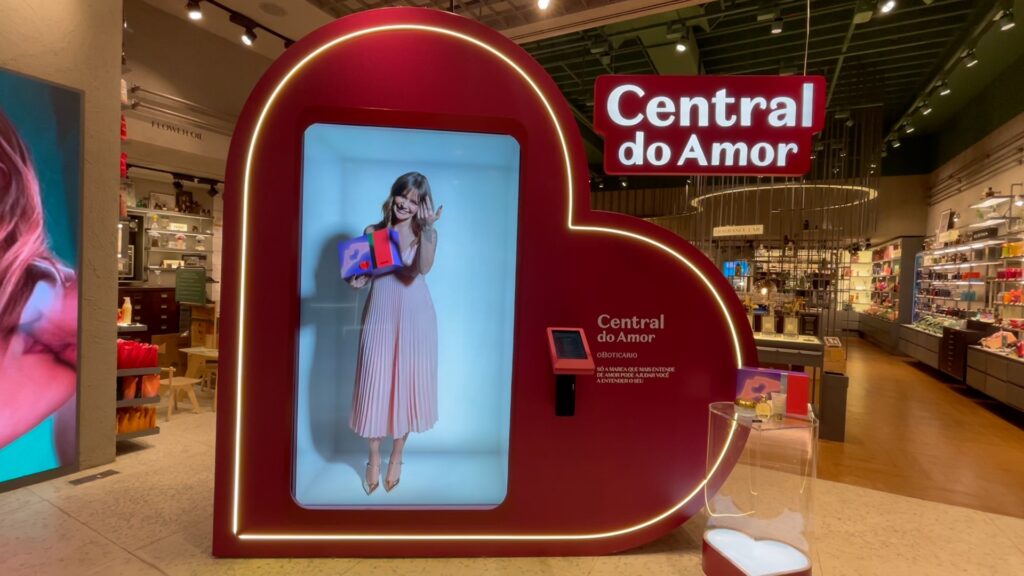
Today we’re going to talk about an amazing tool that can completely transform your customers’ shopping experience: sensory rooms for points of sale.
A New Concept in Shopping Experience
You’re always looking for ways to stand out from the sea of competition in retail, right? One way to do that is by offering personalized, engaging experiences to your customers, and this is where sensory rooms come into play.
Sensory rooms are spaces designed to draw customers into an immersive experience, activating all of their senses: sight, hearing, touch, smell, and taste.
All five senses come into play, making the shopping experience truly memorable. Let’s look at some examples of how to use each sense:
Sight
You can use sensory rooms with lighting, colors, and visual effects to create a specific atmosphere.
Imagine, for example, that you own a furniture store. How about a sensory room that simulates different types of daytime and nighttime lighting? That way, your customers can see how the furniture looks under various lighting conditions.
- Tok&Stok, a leading name in furniture and home decor, uses the visual experience in its stores so customers can picture themselves using the furniture in their own homes. Settings are put together with the store’s products, simulating living rooms, kitchens, bedrooms, offices, and more. The lighting is designed to highlight the products and create a welcoming atmosphere.
Hearing
Music or other sounds can be used to create a relaxing, welcoming environment.
For example, if you own a camping gear store, nature sounds, like birdsong or rain falling on a tent, can enhance your customers’ sensory experience and make them feel more connected to the camping environment.

Touch
You can create sensory rooms that involve customers’ sense of touch.
If you own a clothing store, how about offering different fabrics and textures for customers to touch? It’s an amazing way for them to connect with your products.
- Natura, the well-known cosmetics brand, lets customers try many of its products in its brick-and-mortar stores. They can feel the texture of creams, lotions, and makeup by applying them directly to their skin. This helps create a deeper connection with the products and allows customers to choose the items that best meet their needs and preferences.
Smell
Smell is a powerful sense, often underestimated when it comes to creating shopping experiences.
However, you can use it to create sensations and environments that match your products. For example:
- Some stores, like coffee shops, already use the smell of coffee to create a more welcoming environment.
- Imagine walking into a clothing store and smelling freshly washed fabrics. That would definitely improve the shopping experience.
- Pão de Açúcar creates an olfactory experience through the aroma of breads and cakes baking in its in-store bakery. When customers walk into the store, they’re enveloped by these delicious smells, which creates a welcoming atmosphere and encourages purchases from the bakery.
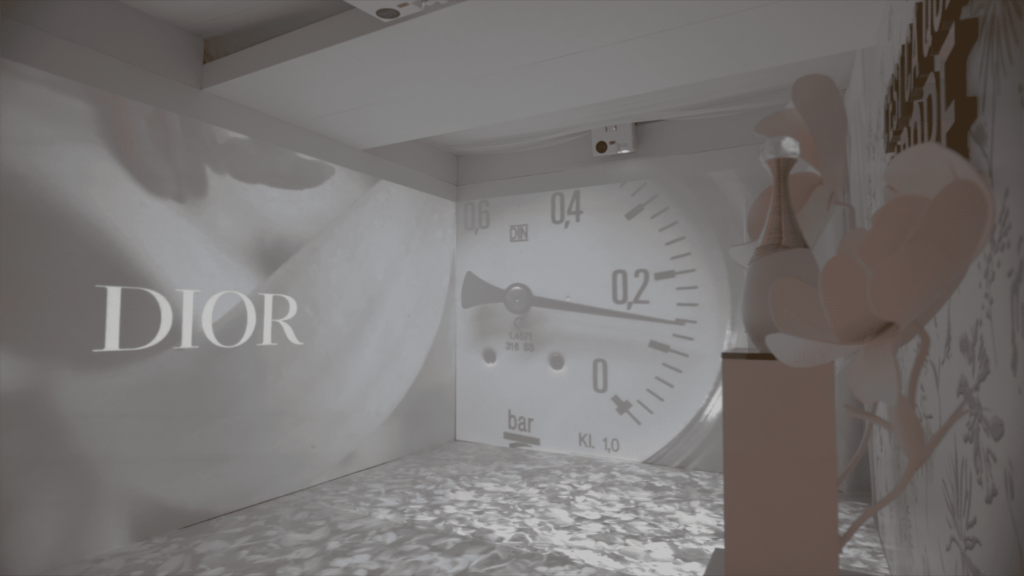
A perfect example of a Sensory Room is the Dior activation at Hotel Sephora, developed by Alice Wonders. For a captivating, multisensory immersion in the brand’s exclusive space, we created projection mapping that brought to life the launch of J’adore Eau de Parfum, the brand’s newest fragrance. Check it out:
Taste
Last, but certainly not least, we have taste.
In some stores, especially those that sell food or beverages, you can offer tastings to customers.
- Pão de Açúcar combines the sensory experience of smell with taste, also offering tastings of wines, cheeses, breads, and other products in its stores. This not only lets customers try before they buy, but also creates a more engaging and enjoyable shopping experience.
- Another company that embraces this practice is Cacau Show, a chain of chocolate stores, which often offers samples of its products, letting customers enjoy the flavor before deciding to buy.
The Impact of Sensory Rooms at the POS
Now that we’ve talked about how to engage and stimulate each of your customers’ 5 senses at the POS, how about we look at the benefits of bringing it all together in Sensory Rooms for your brand?
The main goal of a sensory room at a point of sale is to create a unique and memorable experience for the customer.
On top of that, you not only set your store apart from the competition, but also encourage customers to come back. It’s a win-win strategy!
Here are some of the many benefits of creating sensory experiences in your store:
Benefits of the sensory experience for brands
The sensory experience helps brands stand out from the competition, increase the perceived value of their products, and create an emotional connection with customers.
Creating an Emotional Connection
When we engage all five senses in a shopping experience, we’re going beyond the simple act of selling a product. We’re creating an emotional connection with the customer.
We know that strong emotions are tied to our most lasting memories, so by providing a memorable, emotionally charged experience, we’re fostering customer loyalty and making sure they remember our brand in the future.
Market Differentiation
In today’s competitive retail world, it’s vital for your brand to stand out.
Sensory rooms can provide a unique advantage, setting your brand apart from competitors. Offering an immersive, multisensory experience is a powerful way to stand out and create a unique identity for your brand.
Added Value
The sensory experience adds value to the customer’s purchase, making it more than a simple transaction.
The customer isn’t just taking a product home, but a complete experience that engaged all of their senses. This can justify a higher price and increase profit margins for your brand.
Longer Dwell Time in the Store
When you provide an engaging sensory experience, customers tend to stay in the store longer. That’s because they’re immersed in an environment that stimulates their senses.
As a result, a longer visit increases the chances that customers will discover more products they like, which in turn raises the likelihood of generating more sales.
It Drives Word of Mouth
Creating a unique, unforgettable shopping experience makes customers want to share it with friends and family.
That’s where valuable word-of-mouth marketing comes into play, amplifying your brand’s visibility in a genuine, personal way.
Conclusion
Investing in sensory experiences at the point of sale is a strategy for transforming the way your customers interact with your brand.
By creating a shopping environment that engages all the senses, you deliver a richer, more appealing, and more memorable retail experience.
This not only boosts your sales opportunities and dwell time in the store, but also drives valuable word-of-mouth marketing, helping expand your brand’s visibility.
However, it’s important to conduct research to truly understand your audience and offer experiences that align with their expectations and desires. And you can count on us to help.
Get in touch with us and learn how you can create unique experiences for your customers and unlock your business’s full potential.
FAQ – People Also Ask:
- What are sensory rooms for points of sale? Sensory rooms are spaces specially designed to engage the customer’s senses, delivering an immersive, delightful, and unique experience. This involves using techniques and technologies to stimulate customers’ sight, hearing, touch, smell, and taste.
- Why should I consider the sensory experience in retail? The sensory experience can significantly improve the customer experience and increase sales. When their senses are engaged, customers tend to spend more time in the store, increasing the chances that they’ll make a purchase. In addition, a unique and memorable experience can lead customers to share it with others, driving word-of-mouth marketing.
- What types of retail sectors can benefit from sensory experiences? Any retail sector can benefit from sensory experiences. Whether it’s a furniture store that uses different lighting scenarios to showcase its products or a bakery that uses the aroma of fresh bread to draw in customers, the possibilities are nearly endless.
- How can I implement a sensory experience in my store? There are several strategies for introducing a sensory experience into your store, and they can be adapted to the nature of your business and the profile of your target audience. For example, you can use lighting and décor to create an environment that highlights your products’ attributes and encourages customer interaction. You can include themed spaces and strategic lighting to spotlight specific products, and choose colors and materials that evoke certain emotions or sensations.
Inscreva-se em nossa Newsletter
Receba no seu email todas as novidades do nosso blog sobre tecnologia e varejo, além de ficar por dentro do novos projetos Alice Wonders.