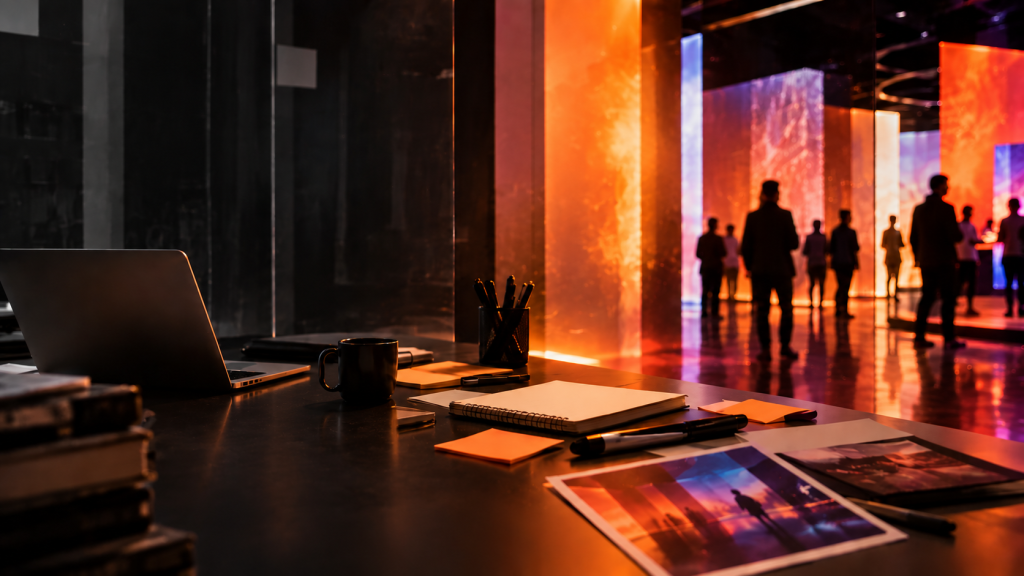
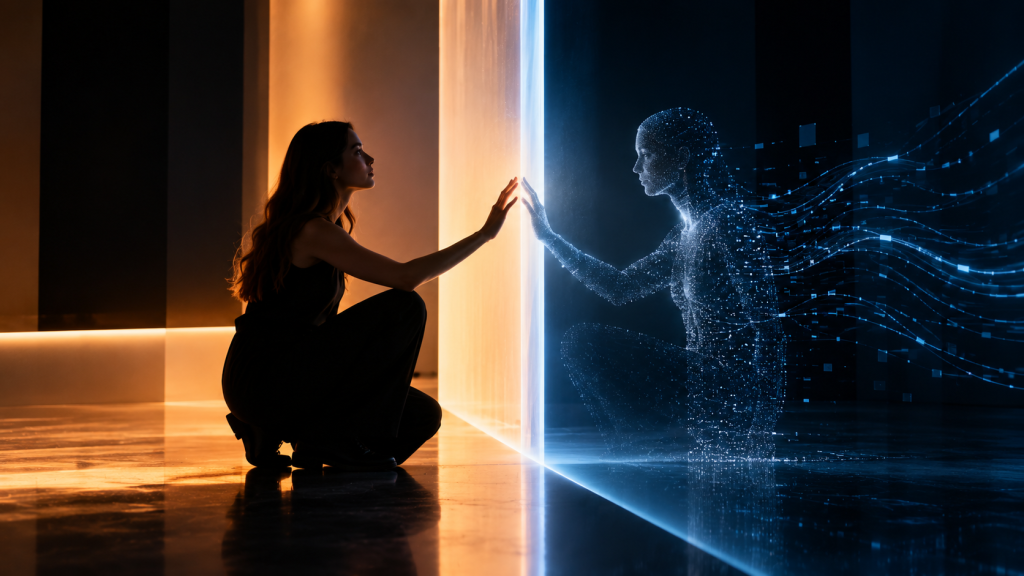
The concept of the Fourth Space in retail has emerged as one of the leading responses to the market’s transformation. That’s because consumer behavior has evolved, digital channels now offer greater practicality and convenience, and physical stores have had to find new ways to stay relevant.
Today, consumers aren’t just looking to buy. They want to connect emotionally with brands, have memorable experiences, and spend time in spaces that spark identification, belonging, and well-being. This explains why experiential retail has gained so much momentum in recent years. Stores are now designed not just to sell products, but to create lasting emotional bonds.
Within this new logic, store design is no longer a purely aesthetic function and becomes a strategic relationship-building tool. Every detail of the environment directly influences how consumers perceive the brand and how they relate to it.
This transformation has also profoundly changed the customer journey in retail. Once linear and objective, it has become hybrid, emotional, and far more connected to people’s lifestyles. Consumers discover brands on social media, visit physical spaces in search of inspiration, share experiences online, and build ongoing relationships with companies that manage to create genuine identification. If you’d like to better understand how this evolution impacts the shopping experience, also check out our article The customer journey in brick-and-mortar retail: how to reduce friction and increase conversion.
In this context, there’s also a growing demand for immersive retail experiences that stimulate the senses, engage audiences emotionally, and turn time spent in the store into something memorable. It’s precisely within this transformation that the concept of the Fourth Space becomes increasingly relevant.
What is the Fourth Space and why does this concept matter in retail?
To start, let’s understand what the Fourth Space actually means. The concept of the Fourth Space in retail stems from the evolution of how people relate to spaces and brands. The idea builds on the concept of the Third Place, coined by sociologist Ray Oldenburg, who defined the home as the first place, work as the second, and social environments — such as cafés, town squares, and gathering spaces — as the third place.
With the digital, social, and cultural transformations of recent decades, a new consumer behavior has emerged. Consumers began seeking environments that blend socializing, entertainment, community, experience, and identity. It’s in this scenario that the Fourth Space appears as a hybrid space where brand, experience, lifestyle, and relationships coexist.
In the Fourth Space in retail, the store no longer functions merely as a point of sale and instead acts as an emotional extension of the brand. The physical environment becomes a space for lingering, exchange, inspiration, and human connection.
This shift is directly tied to the growth of experiential retail, which recognizes that today’s consumers value experiences as much as, or even more than, products. Many brands have already realized that creating a consistent emotional connection can increase:
- Loyalty;
- Dwell time in the store;
- Perceived value;
- Organic engagement;
- Brand recall.
In addition, store design takes on a central role in this strategy. The environment is no longer just functional; it communicates values, sensations, and brand positioning. Consumers feel the brand before they even buy a single product.
This new logic also directly impacts the customer journey in retail, which has become less transactional and far more emotional. Today, the experience begins before the store visit and continues after it, spanning digital channels, social media, and physical interactions.
That’s why creating an immersive retail experience has become a significant competitive advantage. Environments capable of evoking genuine emotions tend to generate deeper, longer-lasting relationships with the audience.
Within this context, a concept that ties directly into the Fourth Space is Store Living, which features in today’s leading discussions on contemporary retail. The concept proposes turning the store into a living, hybrid, multifunctional space that brings together socializing, experience, lifestyle, services, and community in a single environment.
In practice, Store Living reinforces the idea that consumers don’t just want to walk in, buy, and leave. They want to frequent spaces that make sense for their routine, their identity, and their lifestyle. This further strengthens the role of experiential retail in building emotional relationships between brands and consumers.
How to apply the Fourth Space concept at the point of sale
Putting the Fourth Space concept into practice takes much more than infrastructure and technique; it requires intention and a well-defined strategy to deliver quality to consumers not only in the final product, but throughout the entire experience, from the very start. Check out some tips on how to do this below:
Create environments that encourage lingering and socializing
One of the main characteristics of the Fourth Space in retail is turning the store into an environment where people want to stay. That means creating spaces that encourage socializing, comfort, and interaction, going beyond simple product displays.
In experiential retail, environments with integrated cafés, lounges, rest areas, and interactive spaces help increase consumer dwell time and strengthen their emotional relationship with the brand.
Store design itself needs to be planned to encourage smooth circulation, a welcoming atmosphere, and comfort. When the environment invites consumers to stay, the experience becomes even richer and more memorable.
Use sensory stimuli to create emotional connection
In the Fourth Space in retail, the senses play an extremely important role. Consumers perceive the environment before they even rationalize the experience. That’s why the strategic use of sensory stimuli is essential for creating emotional connection. Store design can leverage:
- Strategic lighting;
- Signature scents;
- A soundtrack consistent with the brand identity;
- Textures;
- Ambient temperature;
- Visual composition.
All of this helps strengthen experiential retail and transform brand perception. Today, creating an immersive retail experience means working with sensations in an integrated way, because the more positive emotions an environment evokes, the stronger brand recall tends to be.
This sensory construction also directly influences the customer journey in retail, since emotionally striking experiences usually drive greater engagement and a stronger likelihood of repeat purchases and recommendations.
Turn the store into an extension of the brand identity
Another important point in the Fourth Space in retail is turning the physical space into a clear representation of the brand’s universe. In this scenario, store design works as a visual and emotional narrative. The environment communicates purpose, positioning, values, and lifestyle.
Brands that invest in experiential retail understand that today’s consumers are looking for identification. They want to frequent spaces that speak to their personality and interests. That’s why every detail of the environment should reinforce the brand identity:
- Architecture;
- Decor;
- Visual communication;
- Materials;
- Digital elements;
- Sensory ambiance.
This strengthens the consumer journey in retail, as it creates consistency between the physical experience and the perception built through digital channels. At the same time, this consistency helps create an immersive retail experience, one capable of engaging consumers emotionally from their very first contact with the space.
Encourage community, interaction, and belonging
The concept of the Fourth Space in retail is also directly tied to community building. Today’s consumers value brands that create spaces for exchange, connection, and shared identity. Within experiential retail, many stores have started offering:
- Workshops;
- Events;
- Cultural experiences;
- Activations;
- Themed meetups;
- Collaborative initiatives.
This approach reinforces the concept of Store Living, in which the store becomes a living, multifunctional space. In this scenario, store design needs to encourage interaction and active participation from visitors. The environment is no longer purely commercial; it also works as a social space.
This also has a profound impact on the consumer journey in retail, making the relationship with the brand more continuous, emotional, and rooted in belonging. In addition, shareable experiences help strengthen the perception of an immersive retail experience, boosting organic engagement and emotional connection.
Seamlessly integrate the physical and digital experience
Today’s consumers no longer separate online from offline. That’s why one of the pillars of the Fourth Space in retail is precisely the integration of the physical and digital experience. Within experiential retail, stores that offer hybrid experiences are able to create smoother, more complete journeys. Store design can incorporate:
- QR codes;
- Smart fitting rooms;
- Augmented reality;
- Interactive mirrors;
- App integration;
- Instagrammable spaces;
- Personalization technologies.
All of this strengthens the consumer journey in retail, making the experience more connected, intuitive, and integrated. At the same time, these solutions help build a truly immersive retail experience, where technology and emotion work together to drive connection and engagement.
When we talk about the Fourth Space concept, we need to understand that the physical space doesn’t compete with digital. Quite the opposite: the two complement each other to create more human, memorable, and relevant experiences.
The future of retail is emotional, hybrid, and experiential
The rise of the Fourth Space in retail shows that the future of physical stores lies not only in selling products, but above all in the ability to create emotional connection. The growth of experiential retail reinforces that brands will need to invest more and more in environments that foster belonging, identification, and memorable experiences. Today’s consumers value spaces that offer something beyond functionality: they are looking for meaning.
In this scenario, store design will continue to play a strategic role in brand building. More than aesthetics, the physical environment will be responsible for sparking emotions, encouraging longer visits, and strengthening emotional bonds.
The trend is for the consumer journey in retail to become increasingly hybrid, integrated, and personalized, bringing together the physical experience, digital interaction, community, and lifestyle in a single brand ecosystem.
Likewise, the demand for an immersive retail experience is set to grow even further. Sensory, interactive, and emotionally relevant environments will keep gaining ground in an increasingly competitive market.
In the future, the most relevant brands will likely not be just those that sell great products, but those that manage to create spaces where people want to be, interact, and build genuine connections.
Inscreva-se em nossa Newsletter
Receba no seu email todas as novidades do nosso blog sobre tecnologia e varejo, além de ficar por dentro do novos projetos Alice Wonders.
Thank you for subscribing.
Something went wrong.
Respeitamos sua privacidade e levamos a sério a sua proteção