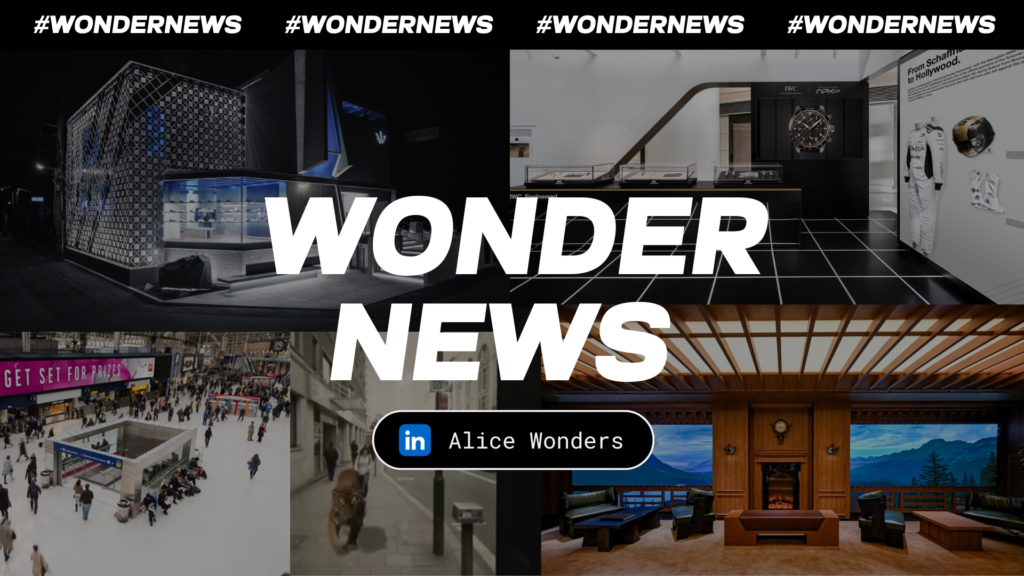
#WonderNews: Digital Experience, Retail Technology (and much more!) Comments Off on #WonderNews: Digital Experience, Retail Technology (and much more!) 743

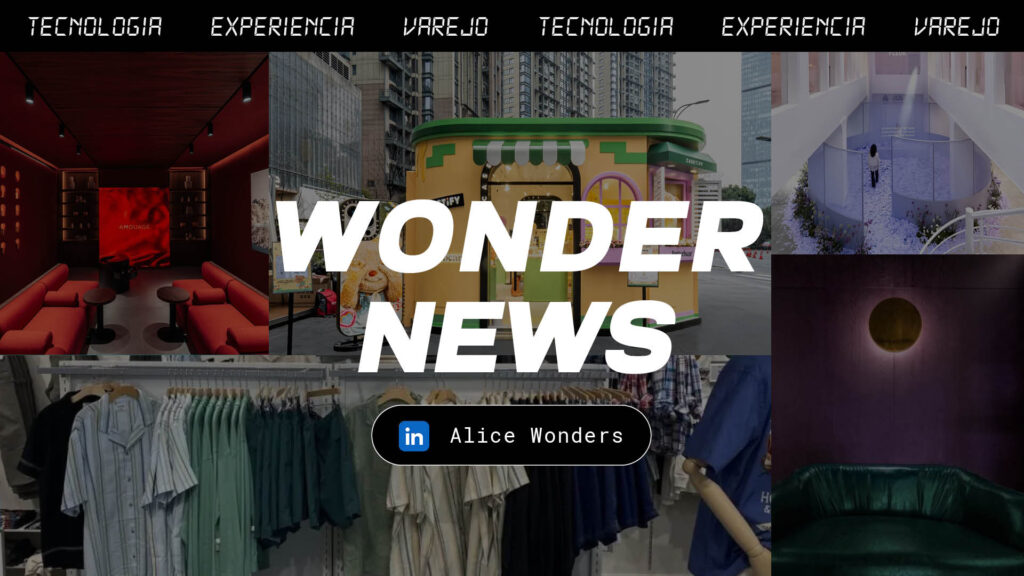
Welcome to #WonderNews: the Alice Wonders newsletter that connects you to the top trends in technology, design, architecture, and customer-centric experiences that strengthen brands in physical stores, in Brazil and around the world.

In an increasingly dynamic consumer market, these areas play an essential role in building spaces and interactions that delight customers and create emotional connections with them.

With that in mind, check out valuable insights, innovations, and ideas that inspire transformation and boost brand success. Grab your coffee and enjoy the read. ☕️
arc-lounge-retail-beijing-experience

The New Era of Retail: Experience and Connection!

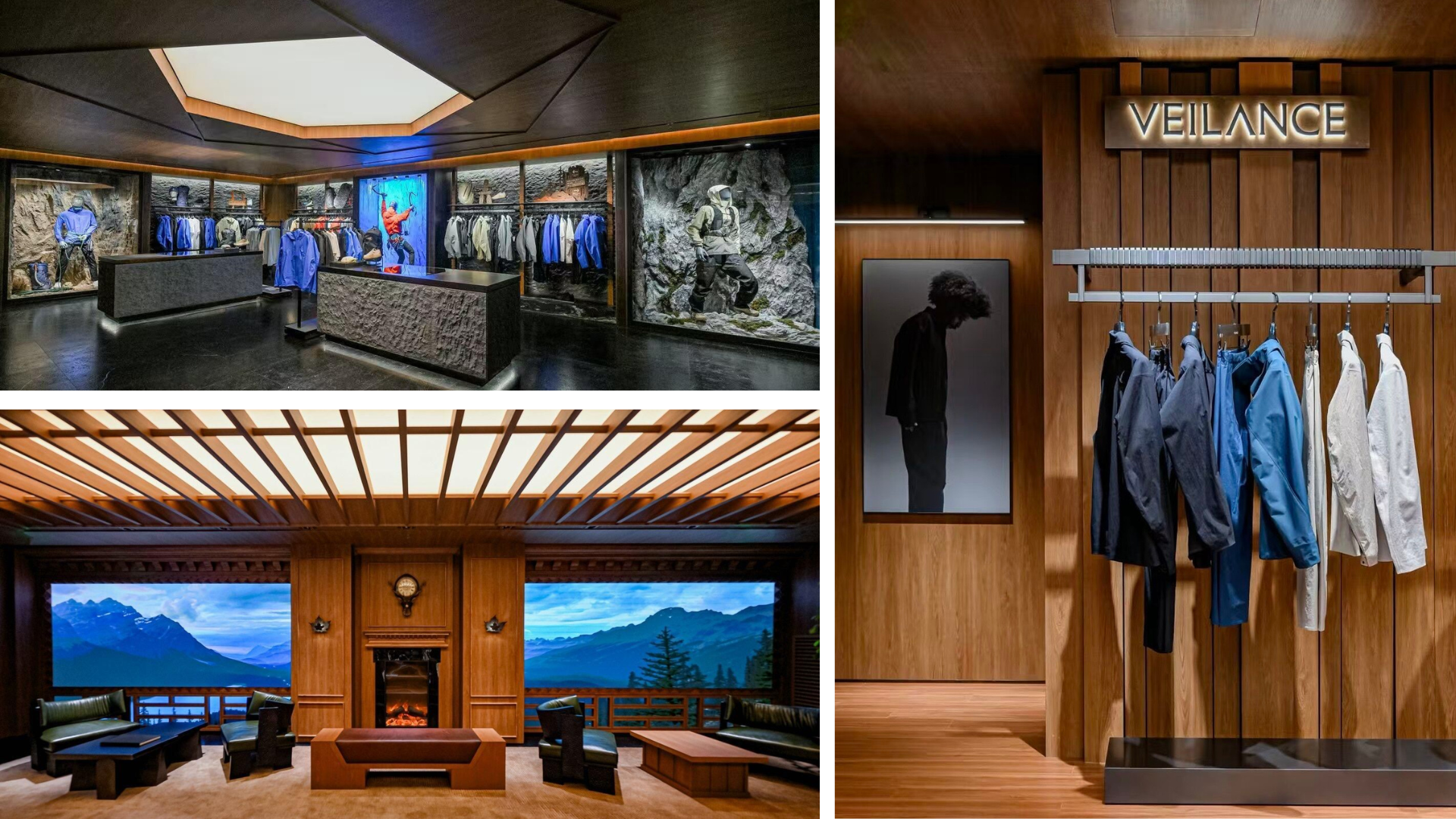
With its Arc’Lounge store in Beijing, Arc’teryx is reinventing the concept of the point of sale. More than a sales floor, Arc’Lounge is a sensory immersion that connects customers to the brand in a unique way.

With sound, scent, and lighting elements that simulate different altitudes and weather conditions, and even an area dedicated to Re: repairs, the space goes beyond the purchase — it’s an experience that blends nature and design.

Arc’Lounge also offers a retreat featuring products like Veilance, adding a cosmopolitan touch while maintaining an environment entirely focused on building an emotional connection with the brand.

Arc’teryx proves that the retail of the future is more about creating experiences than simply selling products.
iwc-pop-up-f1-experience

Immersion and Speed: IWC Schaffhausen in the F1 Movie

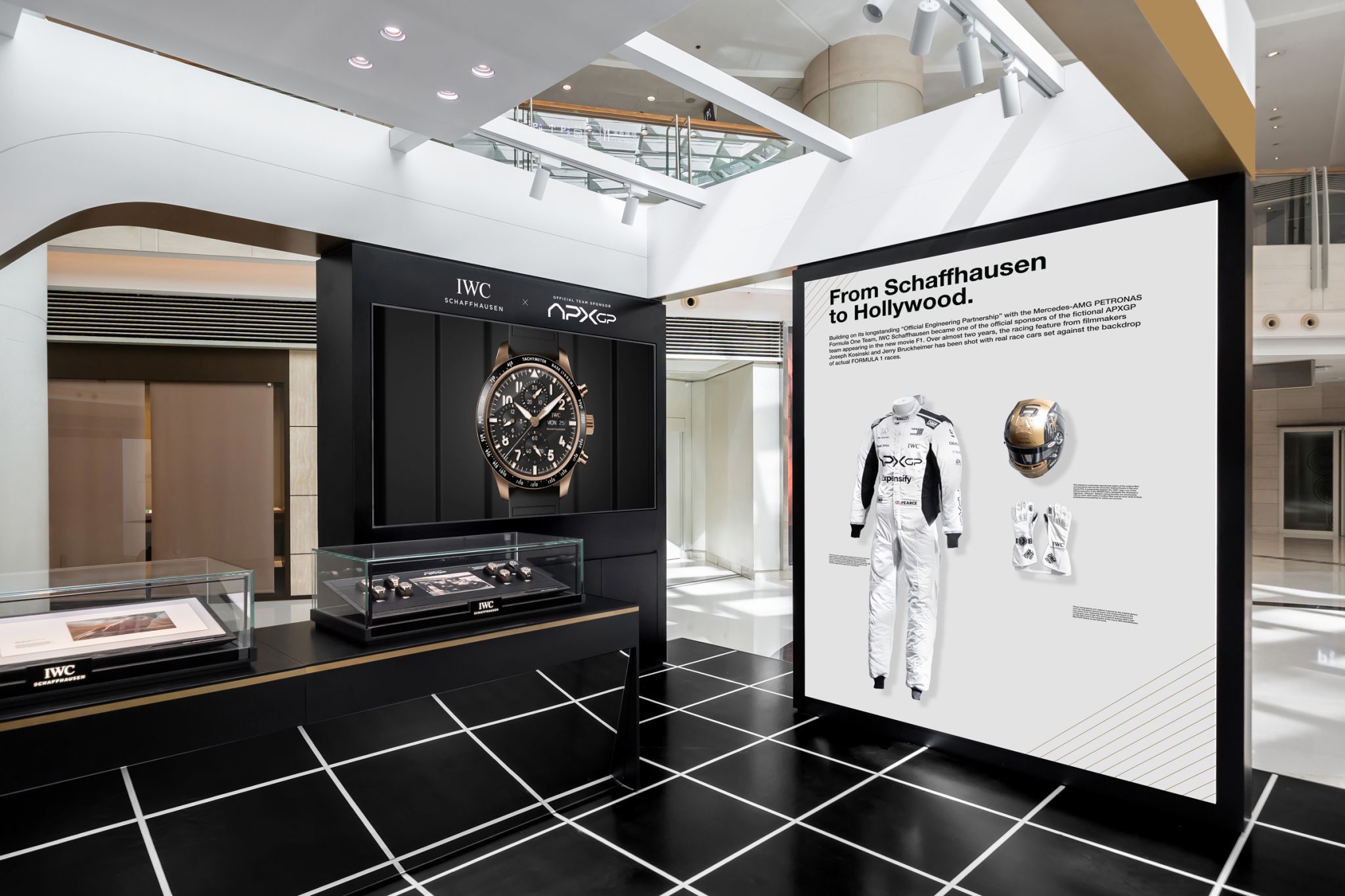
IWC Schaffhausen launched an immersive pop-up experience in Hong Kong, timed right to the release of the new F1 movie. The brand, an official partner of the Mercedes-AMG Petronas team, tied in with the premiere of its new partnership with the fictional APXGP team.

With the film’s worldwide success (R$144 million in its opening weekend), IWC seized the moment to showcase its exclusive model, alongside images of the racing suits worn by the characters, including Brad Pitt.

More than a simple launch, the activation highlights how sports marketing, in arenas like F1, has become increasingly strategic and powerful. With LVMH dominating sponsorship this season, IWC wastes no time stepping onto the scene to secure its place in fans’ minds.
adidas-store-seoul-experience

Adidas in Seoul: Design That Adapts

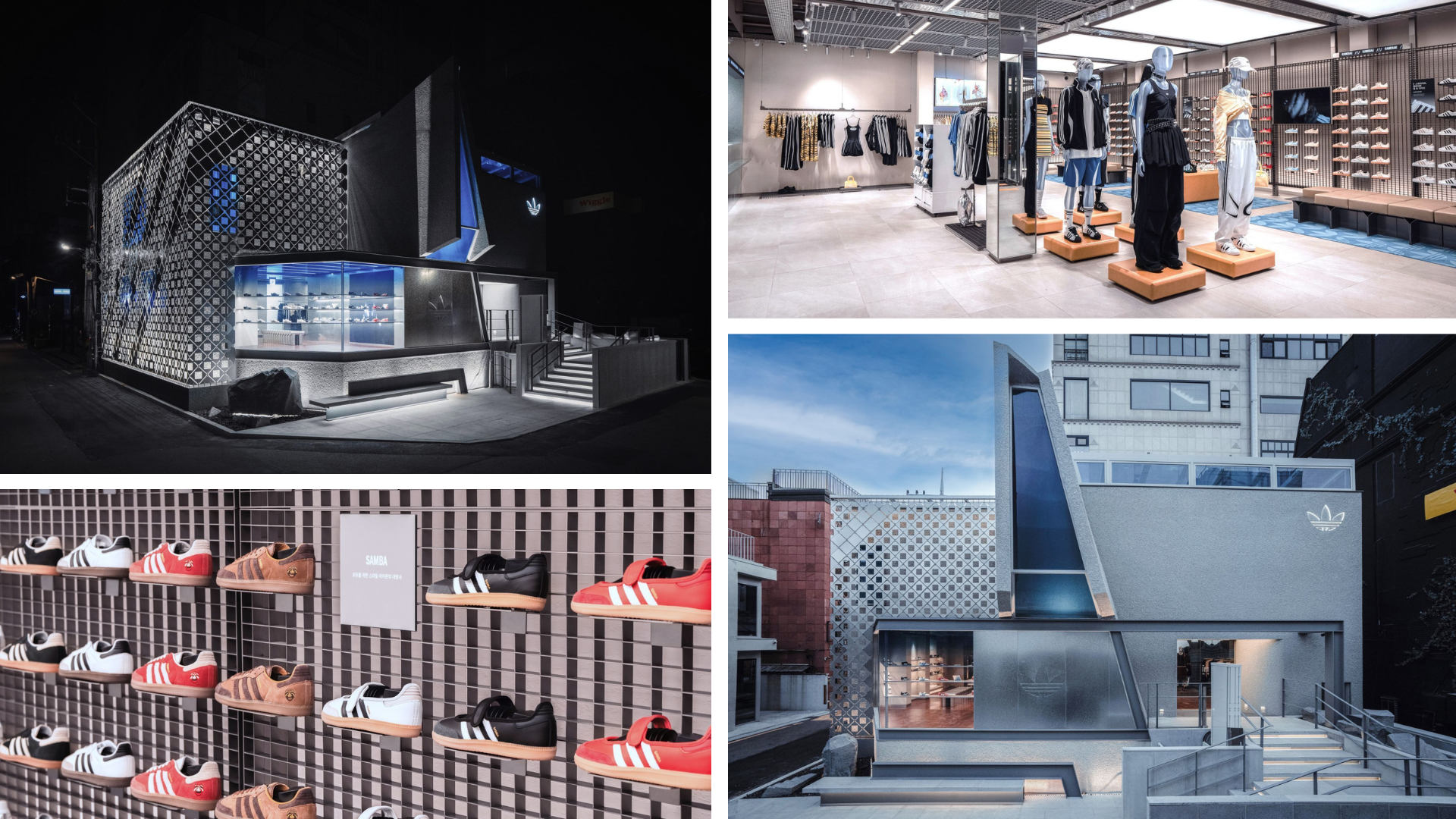
Adidas shows off its design versatility with a store in Seoul that connects seamlessly with the city’s dynamic environment. A far cry from the industrial style seen in other locations, this space reflects a modern aesthetic aligned with local trends, proving that retail can be innovative while respecting the culture of each place.

With a striking façade that stands out in the urban landscape, the store’s entrance immediately builds anticipation for a unique experience. At nightfall, the store’s design shines even brighter, revealing a captivating, immersive atmosphere. Inside, the environment is sophisticated, with a sneaker wall that draws the eye without being overwhelming, while apparel is displayed in a way that creates a sense of exclusivity and style.
Adidas stays true to its authentic DNA while masterfully adapting to the local market, delivering an original and innovative retail space.

argos-digital-sign-london-experience

Argos Turns London Stations into Interactive Gaming Spaces

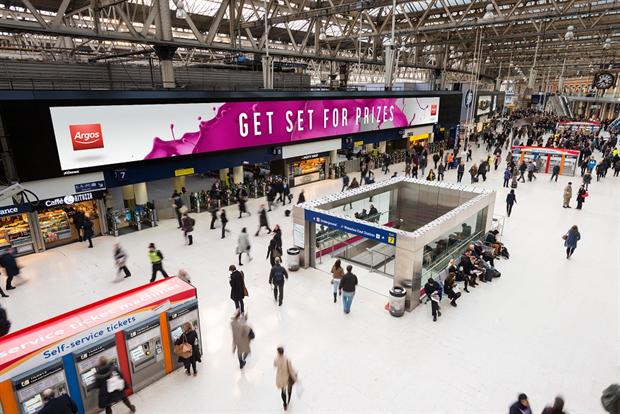
Argos broke new ground by turning two London railway stations into interactive playing fields with a massive 40-meter digital screen. Commuters can compete in real time on their mobile devices for exclusive branded prize bundles, creating a fun and engaging experience.

This type of activation, which blends digital signage with gamification, is one of the first public gaming initiatives in high-traffic locations. The idea is to connect the brand with its consumers in a unique, personalized way, using technology creatively.

In a market where mobile shopping grows every day, Argos taps into this trend to create an interactive experience that goes far beyond the point of sale. A strategic play that entertains while strengthening the bond between brand and consumer.
pepsi-augmented-reality-experience

Pepsi Surprises Commuters at a London Bus Stop with Augmented Reality

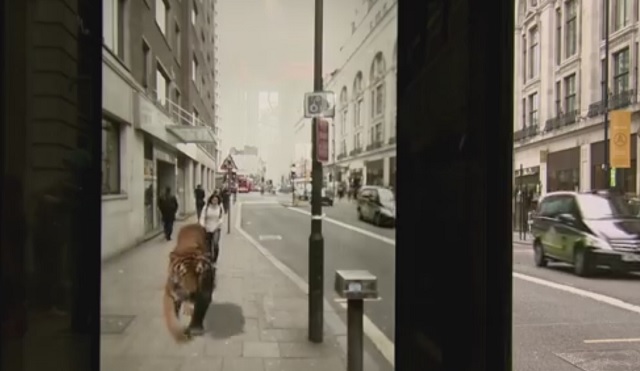
Pepsi took the consumer experience to a whole new level by transforming an ordinary bus stop on London’s bustling Oxford Street into an augmented reality spectacle. While waiting for their ride, people were caught off guard by realistic animations of a tiger, tentacles, an alien spaceship, and even a meteor crashing onto the street, all displayed on a digital panel disguised as glass.

This innovative activation, blending digital signage with immersive technology, not only shocked the public but also highlighted the power of augmented reality to create memorable experiences. By weaving digital into people’s everyday lives in unexpected ways, Pepsi showed that, in retail and marketing, creativity knows no limits.


Stay on top of the latest brick-and-mortar retail trends from around the world! Follow us on Instagram, LinkedIn, and Blog: The Future of Retail so you never miss an update.

Inscreva-se em nossa Newsletter

Receba no seu email todas as novidades do nosso blog sobre tecnologia e varejo, além de ficar por dentro do novos projetos Alice Wonders.
Thank you for subscribing.

Something went wrong.

Previous ArticleNext Article

#WonderNews: Sensory Experiences; Using Data in Retail (and More!) Comments Off on #WonderNews: Sensory Experiences; Using Data in Retail (and More!) 1700

sensoriais

Welcome to #WonderNews: the Alice Wonders newsletter that connects you to the top trends in technology, design, architecture and customer-focused sensory experiences that strengthen brands in physical stores, in Brazil and around the world.

In an increasingly dynamic consumer market, these areas play an essential role in building spaces and interactions that delight customers and create emotional connections with them.

With that in mind, follow along for valuable insights, innovations and ideas that inspire transformation and drive brand success. Grab your coffee and enjoy the read. ☕️

Pop-ups as sensory and social experiences

CASETiFY teamed up with Butter Bear to create a pop-up as sweet as it is strategic: the Spring Dessert Shop, which took over the Ground Plaza at MixC Phase II in Hangzhou. With a pastel aesthetic, a playful vibe and a carefully crafted kawaii universe, the activation taps into the power of enchantment to attract, engage and generate content.

At the heart of the experience: a limited-edition gift box — available only at the pop-up — and surprise giveaways that encourage spontaneous sharing and in-person visits to the space.

The activation reinforces a trend: retail has been betting on temporary spaces as platforms to test new collections, tell brand stories and spark desire in real time, with a strong focus on sensory experiences.

By combining Butter Bear’s visual appeal with CASETiFY’s trendy tech accessories, the collaboration shows how narrative, collection and experience can coexist to create something memorable that goes far beyond the point of sale.

How Metic Lounge turns design into sensory immersion

In the middle of bustling Shanghai, Metic Lounge, designed by All Design Studio (ADS), is an excellent example of how retail — and entertainment — can harness architecture, technology and emotion to create memorable, sensory experiences.

With a quarter-sphere layout, the space was designed to work as a “magnetic field.” Far from being merely poetic, this metaphor translates into an immersive environment with intentional control of light, sound and spatiality. Upon entering, visitors are guided through a tall, arched corridor that shuts out outside noise and heightens the sense of depth.

Beyond being visually striking, the project uses sensory strategies as an experience tool. Dynamic lighting, reflective materials and the arrangement of furniture lead the user journey through different atmospheres, from the central bar to private KTV rooms and a cigar room.

For brands and businesses, Metic Lounge is a case study showing how spaces can go beyond aesthetics and become immersive environments designed for emotional, social and strategic connection.

In practice, it’s the kind of activation that delivers more than a physical location: it offers context, memory and meaning — exactly what today’s consumers are looking for when they leave home.

Amouage reopens in Oman and embraces emotioneering to evoke emotion

High-end perfume house AMOUAGE has just reopened its flagship in Oman with a design that doesn’t just impress — it moves. And it does so with a strategy that’s increasingly common in global retail: emotioneering.

With a giant frankincense tree rising through two floors, the boutique turns architecture into narrative, design into symbol and space into feeling. Everything in the store communicates the brand’s territory, from its origins in the Omani desert to window displays conceived as true works of art.

Nothing there is generic. From light tones reminiscent of the dunes to organic shapes that connect customers to the local landscape, the experience is sensory, symbolic and deeply emotional.

More than a store, the AMOUAGE flagship is a manifesto. It’s an example of how the point of sale can become a point of fascination — when it brings together storytelling, visual identity and emotional intent.

This is the kind of project that doesn’t just sell a luxury product: it sells belonging, culture and memory. For brands looking to stand out in the premium market, the lesson is clear: visual impact isn’t enough — you need emotional impact.

Glossier turns its fragrance launch into a multisensory experience

To launch the Glossier You Fleur fragrance, the brand transformed Galerie Joseph in Paris into an immersive field where technology and emotion came together poetically.

Created in collaboration with Random Studio, the activation took sensory storytelling to a new level: digital flowers that reacted to visitors’ movements, fragrances represented by pavilions of light, sound and color, and artificial intelligence that analyzed facial expressions and posture to generate personalized poetry in real time.

Yes, the technology read your face and gave you back a feeling. A brand experience where digital isn’t a tool, but an active part of the emotional narrative.

This fusion of spatial AI, emotion recognition and interactive design shows how the retail of the future is already being written — and felt. Instead of explaining a product, Glossier chose to make consumers feel it.

And that’s where the project’s strength lies: a smart use of technology in service of sensitivity, turning the point of sale into a point of deep connection with the audience.

Data that connects people and products

Old Navy has just taken an important step in its digital transformation: it partnered with Radar, a solution that combines RFID, computer vision, and AI to track products with almost surgical precision — in real time and at the point of sale.

The goal? To give store associates item-level inventory location data, optimizing replenishment, customer service, and the omnichannel experience.

But what stood out most about this project went beyond the technology itself: a clear bet on the power of data as the engine of the experience. Old Navy wants to run its physical stores with the same precision as an e-commerce operation. And that’s only possible with smart, real-time data.

This kind of initiative ties directly into what we’ve created here at Alice Wonders: Granometrics — our sensor built into our technologies that analyzes consumer flow, behavior, and interaction in the physical space. Which area gets the most traffic? Which product draws the most attention? Where do customers spend the most time?

This is data that, when used well, helps brands personalize their physical environments based on what truly matters to their audience.

Because, in the end, technology alone doesn’t transform anything. But technology with purpose and data intelligence… now that’s a game changer.

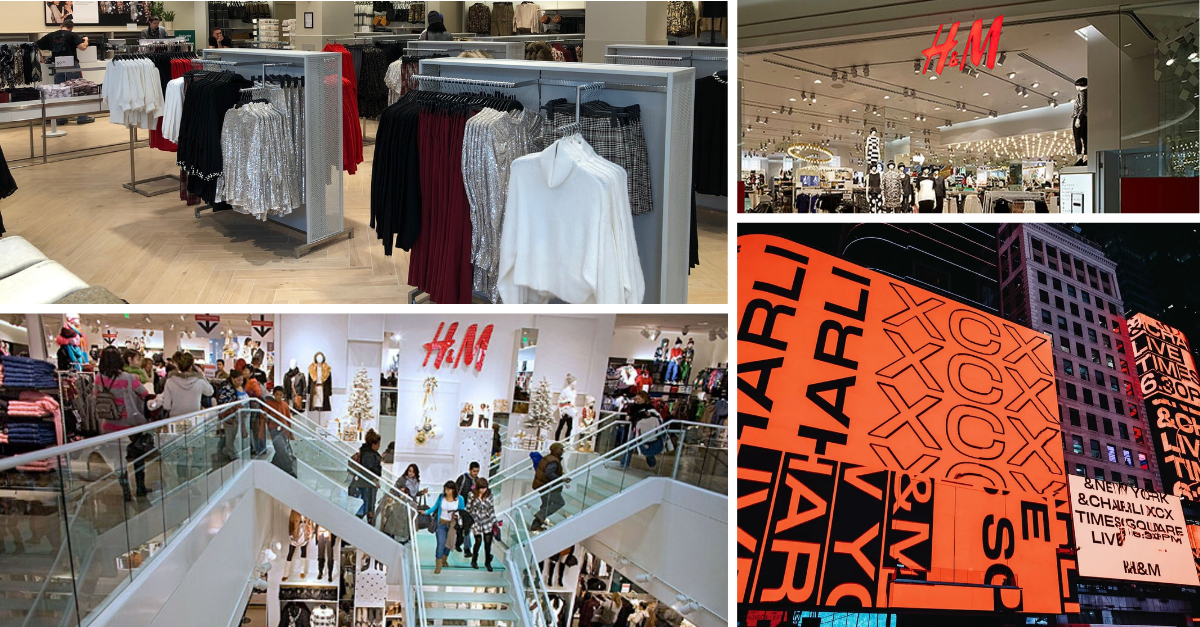
The store became a stage at H&M

H&M wiped its entire Instagram feed. It threw a surprise Charli XCX show in Times Square. It turned its website into a big shoppable showcase of experiences.

The holiday collection became just the backdrop. What the brand really did was reposition the point of sale as a place for cultural experiences, connecting with the lifestyle of Gen Z and Gen Alpha.

Beyond its revamped digital content, H&M invested in physical events, influencer campaigns, and integrated activations across multiple channels — all to make the brand more present in young consumers’ everyday lives (and feeds).

The strategy shows how brick-and-mortar retail can — and should — stop being just a place to shop. And become a space for connection, engagement, and entertainment. The new generation wants more than products: they want to be part of something.


Stay on top of the latest physical retail trends from around the world! Follow us on Instagram, LinkedIn and Blog: The Future of Retail so you never miss an update.

Inscreva-se em nossa Newsletter

Receba no seu email todas as novidades do nosso blog sobre tecnologia e varejo, além de ficar por dentro do novos projetos Alice Wonders.

Thank you for subscribing.

Something went wrong.

Transform the Customer Experience with Gamification Comments Off on Transform the Customer Experience with Gamification 1713

gamificação

In recent years, gamification has stopped being the childish concept many once saw it as. Quite the opposite: it has become an essential strategy for companies looking to transform the customer experience in innovative and engaging ways.

By incorporating playful elements such as challenges, rewards, points, leaderboards and much more, gamification in business is reshaping the way brands connect with their consumers.

This approach goes beyond simply encouraging action. It works to create an immersive, interactive experience that captivates customers and keeps them continuously engaged with the brand, which, as we know, is a crucial factor in purchase decisions and customer loyalty.

As today’s market becomes increasingly competitive, companies are realizing that delivering a unique, personalized experience to their audience can be the differentiator that secures customer loyalty.

That’s why gamification has become such a powerful tool in this process: it allows companies to bring fun, learning and motivation into the customer journey, so much so that shoppers don’t even notice they’re on a purchase journey.

With that in mind, today we’re going to explore how gamification in business has been transforming the customer experience, driving not only more engagement but also greater satisfaction and loyalty.

We’ll cover best practices, the benefits of this approach and real-world examples of how gamification is positively impacting the relationship between brands and consumers. Let’s get started!

Gamification: concept, goal and benefits

To kick things off, let’s go over a few key points about gamification, which is nothing more than applying game elements and mechanics to non-game contexts, such as company platforms, with the goal of engaging and motivating people to achieve specific objectives.

This approach draws on a number of features that we’ll take a closer look at further on, creating a more engaging experience for the user. Although the term “gamification” has gained popularity in recent years, its essence goes back to long-standing motivation and engagement practices, adapted to the modern, digital environment.

Like many other market strategies with different goals, the main one when it comes to gamification in business is to improve the customer experience, making interactions with the brand more dynamic and appealing.

By integrating game elements into their strategies, companies aim to engage customers more effectively, encouraging specific actions such as purchases, participation in loyalty programs or even simple engagement with content and products.

Gamification turns routine processes into something more fun and rewarding, creating a more interesting and motivating journey for the user. With that, you can imagine that its benefits are far from few.

Companies can increase customer engagement, resulting in greater loyalty and repeat purchases, bringing consumers back to the store not only for the quality of the product or service, but for the experience they had with the brand.

And it’s not just the company that wins with gamification; customers do too, because gamification makes shopping or interacting with the brand more enjoyable, delivering a sense of achievement and progress.

On top of that, gamification can create a sense of belonging by bringing consumers into a community or network of users with similar interests, increasing satisfaction and their bond with the brand.

So, gamification in business not only transforms the customer experience, making it more engaging and fun, but also offers a range of strategic benefits, such as increased engagement, loyalty and more accurate data on consumer behavior.

By applying these elements in a well-planned way, companies can build deeper, longer-lasting relationships with their customers while driving the achievement of specific goals for both the brand and the consumer.

Gamification ideas to inspire you

Moving on to practice, we’ve selected some gamification ideas that can inspire you to do something innovative in your business, along with cases of brands that achieved great results by investing in these strategies. Check them out!

1 – Rewards and tier system

A rewards and tier system is one of the most effective gamification strategies, since it’s based on positive reinforcement and step-by-step progression. Users earn points by taking certain actions, such as making purchases, writing reviews or interacting with the brand, and can redeem them for exclusive perks and rewards.

This structure keeps users engaged over time, as they see immediate and growing value in their participation. In addition, tiers create a sense of achievement, encouraging customers to keep interacting to reach more rewarding levels.

One success story is Starbucks Rewards, which lets customers collect stars with every purchase and redeem them for free products. Plus, customers who reach higher tiers in the program receive exclusive perks, such as early access to new products and order customization.

2 – Leaderboards and competition

Healthy competition is a powerful tool for boosting user engagement and participation. Leaderboard-based systems create a sense of belonging, encouraging users to work harder to improve their standing.

This strategy works because it taps into the natural human desire for status and recognition within a group. In addition, public leaderboards create a social proof effect, where participants feel motivated when they see others making progress.

A great international example of leaderboards and competition in physical stores is Nike‘s loyalty program, called Nike+. Nike implemented an innovative strategy that uses competition among customers as a way to drive engagement and loyalty, creating a system of leaderboards, challenges and rewards for its customers.

3 – Personalization and avatars

Personalization is one of the most effective ways to build an emotional connection between users and a platform. When users can customize their profile, avatar, or experience within an app or website, for example, they feel more engaged and more like they belong to the community.

This kind of mechanic taps into the desire for individuality and self-expression, making the user journey more meaningful and fun. On top of that, the way avatars or profiles evolve over time creates a sense of progress and achievement.

Waze, for example, applies this strategy by letting users choose avatars and personalize their in-app experience. Drivers who contribute traffic information can unlock exclusive skins and voices, encouraging active participation.

4 – Gamification in e-commerce

Using gamification in e-commerce can transform the shopping experience, making it more engaging and interactive. Elements such as challenges, mini-games, and surprise rewards create a sense of delight and make the consumer journey more exciting.

Gamification can be a strategic ally for companies across many industries, including real estate. Take the homebuilder Plano & Plano as an example: by incorporating playful, interactive elements into its e-commerce platform, it has the opportunity to turn the home-buying journey into a more dynamic and appealing experience.

In a traditionally more technical industry like real estate, gamification is an innovation that can set Plano & Plano apart in the market, generate qualified engagement, and boost purchase intent in a smart, modern way.

These are just a few ideas for how you can apply gamification to your business, whatever your industry. Strategies like these will help your brand generate much more than sales: they’ll create impact and a standout experience for your audience.

Understand how gamification impacts the customer experience

Everything we’ve covered so far shows how deeply gamification is impacting the customer experience, turning everyday interactions with a brand into more interesting and engaging moments.

By incorporating playful elements such as challenges, rewards, leaderboards, and progression, companies create a more dynamic and motivating environment for consumers. This not only makes the shopping or interaction journey more fun, but also creates a sense of achievement and belonging, where customers feel more connected to the brand.

Gamification also enables more effective personalization of the experience, since systems can be tailored to individual customer preferences, offering customized rewards and challenges.

The result is greater satisfaction, longer interaction time and, consequently, higher customer engagement and loyalty. In short, gamification doesn’t just improve the shopping experience; it also strengthens the relationship with the brand, encouraging positive behaviors and building a more loyal, engaged customer base.

Inscreva-se em nossa Newsletter

Receba no seu email todas as novidades do nosso blog sobre tecnologia e varejo, além de ficar por dentro do novos projetos Alice Wonders.

Thank you for subscribing.

Something went wrong.

Most Popular Topics

Editor Picks

Send this to a friend