




You’ve probably noticed that consumer profiles are changing faster and faster these days, right? Technology has been evolving faster than at any other time in the history of civilization, and that has directly affected our behavior, how we relate to one another and, of course, how we shop.
As a result, digital experiences have become part of the corporate world because of the powerful communication language they provide, allowing customers to benefit and even interact during the purchase process, enjoying a unique experience with the brand.
So, in this article we’ll show you what digital experiences are, some examples of how they’re applied in retail, and how they can bring innovation to the POS. Keep reading to learn more!
What are digital experiences?
Digital experiences, in the context of retail marketing, are the full set of actions, tools and methodologies that both fields have been using to deliver unique experiences to consumers through the digitization of actions, techniques, advertising pieces, automation projects and other concepts.
How are digital experiences being delivered in retail?
Now that you know what digital experiences are, we’ll show you some examples of applications that have been implemented in retail.
Automation projects
In short, automation is the development of a system capable of controlling various activities without human intervention. An automation project allows processes and machines to be controlled through mobile devices such as smartphones, tablets and computers.
All manual work is replaced by mechanization, which makes it possible to carry out tasks that are repetitive, difficult or monotonous for people, from simple everyday chores like turning on the home alarm, preheating the oven or activating the garden sprinkler system (using your phone), to controlling highly complex processes and data in the industrial sector.
In retail, automation is used to provide convenience to consumers, reduce costs and lend credibility to the brand. Many stores have been investing in technologies that give customers autonomy while shopping, minimizing wait times for service — a basic demand of the digital consumer — and reducing logistics costs.
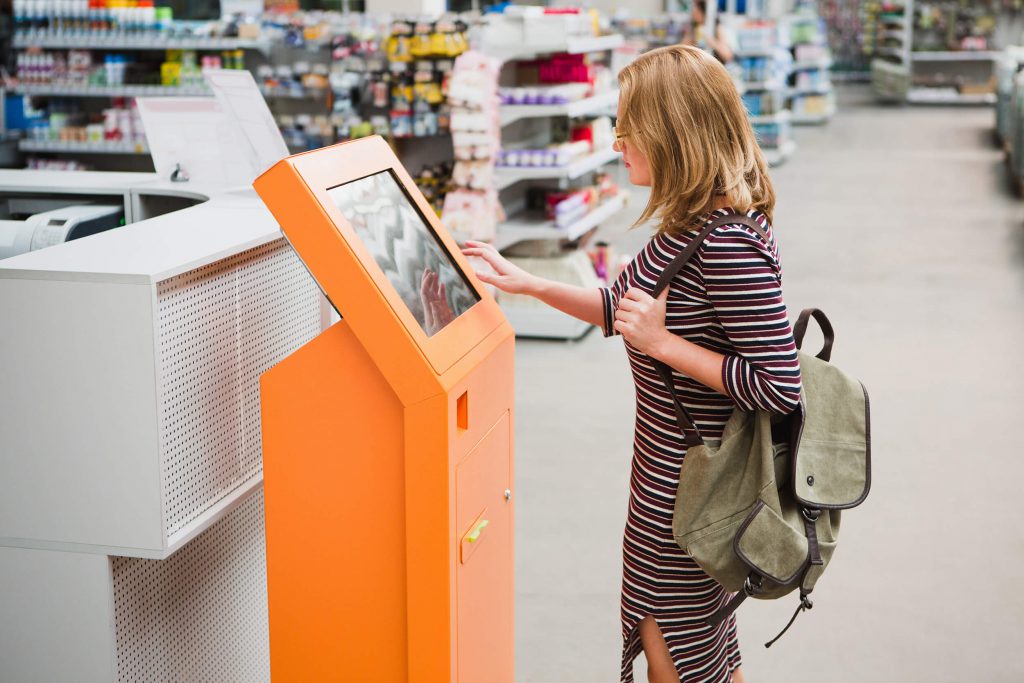
One example is the barcode label on a product, combined with a price-check kiosk, where consumers can check the prices of items without help from an employee.
Guerrilla Marketing
Guerrilla marketing is known for promoting products and services through highly unconventional methods. It’s an alternative strategy designed to create memorable experiences for consumers.
A successful guerrilla marketing campaign doesn’t require a big financial investment, since what matters most is the creativity and energy put into the project. That’s why this type of activation is often carried out in places with heavy foot traffic, such as beaches, parks and shopping malls.
Guerrilla marketing is divided into several categories, such as urban intervention in advertising, which in turn uses invisible theater, performance and flash mob techniques to communicate.
Urban intervention
Also known as “street art,” this is a branch of guerrilla marketing that’s carried out in large spaces and engages directly with the target audience. Here, human interaction takes place through performance, invisible theater and flash mob activations.
Performance
People are the communication tool. Singers, comedians, athletes, presenters and all kinds of artists or personalities are featured in shows, events, parades, installations and any other type of activation that draws attention, winning over the target audience through innovative campaigns.
Invisible theater
In invisible activations, customers don’t realize they’re taking part and, therefore, don’t put up barriers against the product or service being offered. That said, this strategy is based on two principles:
- observing the public’s reactions to products and services that haven’t been launched or aren’t yet well known;
- using messages, actions or themes indirectly related to the product to capture the public’s attention, generating buzz that will promote the brand through social media “word of mouth” (viral marketing).
Flash Mob
These are gatherings of people in public places that happen instantly to stage an unusual, prearranged action, then disperse just as quickly as they came together.
The advantage is that they can be held anywhere and under any circumstances. In general, the term applies to gatherings and events organized through social media. Without a doubt, it’s a powerful marketing tool that can be applied intelligently at the POS, reaching the audience in an unexpected and playful way.
How do these new digital experiences impact consumers?
Experience is the emotional relationship a customer develops with a brand, which is different from a physical sense such as smell. Consumers don’t connect emotionally with a brand because they smelled wood in a furniture store, for example, but because that scent unconsciously reminded them of a positive memory, like a childhood treehouse.
The goal — through technologies that create digital experiences at the POS — is to make consumers feel like they’re inside that treehouse. That’s what creating a positive shopping experience means.
Why offer digital experiences to your customers?
It’s important to understand that the point of sale (POS) isn’t just a physical location where consumers choose the product they want, pay for it and leave. It’s essential to recognize that the POS is a company’s most powerful communication channel, because it’s where the customer and the brand have the opportunity to connect emotionally.
That said, digital experiences are great tools to use at the point of sale, since they can meet the highest standards of today’s demanding consumers, such as:
- speed through process digitization;
- a positive, human shopping experience;
- hassle-free service;
- interactivity.
Not to mention the benefits for companies’ internal logistics, such as inventory control, higher team productivity, cost reduction and more. In other words, digital experiences are tools that add value to both the marketing and the operations of an organization.
As you’ve seen in this article, as technology evolves, increasingly innovative retail automation solutions will be developed to deliver digital experiences to consumers.
Want to learn more about how AliceWonders can help your company deliver impactful digital experiences to your customers? Then get in touch with us and let us show you!
Inscreva-se em nossa Newsletter
Receba no seu email todas as novidades do nosso blog sobre tecnologia e varejo, além de ficar por dentro do novos projetos Alice Wonders.
Thank you for subscribing.
Something went wrong.
Respeitamos sua privacidade e levamos a sério a sua proteção






