Anemoia in retail is becoming a powerful strategy for building emotional connections with consumers. In an increasingly digital and fast-paced landscape, brands need to go beyond products and deliver memorable, sensory, and emotionally relevant experiences.
Within this context, one concept has been gaining ground in retail marketing strategies: anemoia, a feeling of nostalgia for times we never lived through, but one that sparks curiosity and a desire to travel back in time and experience a little of what those eras were like.
Whether through visual references from the ’80s and ’90s, vintage soundtracks, retro packaging, or spaces inspired by other decades, brands are discovering how nostalgia can stir deep emotions and strengthen bonds with their audience.
By combining emotional memory, storytelling, and strategic store atmosphere, brick-and-mortar retail can offer something that goes beyond the purchase: a true retail experience. And it’s precisely this emotional connection that can increase dwell time, engagement, and purchase intent.
With that in mind, today we’ll take a closer look at the concept of anemoia and explore how to use nostalgia in retail to create an emotional experience at the point of sale and drive more sales.
What is anemoia and why does this feeling influence consumer behavior?
Anemoia can be defined as nostalgia for an era we didn’t experience firsthand. Unlike traditional nostalgia, it stems from an idealization of aesthetics, behaviors, music, objects, and cultural experiences we’ve come to know through the media, the internet, or socially shared references.
In consumer behavior, this feeling ties into a desire for emotional comfort and familiarity. Amid a daily life marked by information overload and increasingly fleeting relationships, experiences that evoke warmth and emotional memory tend to spark immediate identification.
That’s why nostalgia-driven consumption has become a powerful tool for brands looking to build more human connections. The rise of vintage trends, film cameras, vinyl records, retro coffee shops, and designs inspired by past decades shows how consumers are seeking experiences loaded with emotional meaning.
In retail marketing, this strategy becomes even more powerful because it turns the physical space into an environment of emotion, discovery, and belonging, something digital alone can hardly replicate.
A survey conducted by PiniOn, a market research company, and published in October 2025 by Consumidor Moderno, found that 56.8% of Brazilians have made purchases motivated by memories of the past.
This proves that nostalgia is as powerful a feeling as desire and scarcity, since it creates a unique sensation in consumers, one that can directly influence their decisions, including purchasing decisions.
How to apply anemoia in retail to create more emotional experiences
Applying the concept of anemoia in physical retail may seem like a major challenge, but it becomes simpler when combined with other industry concepts that can support the process, such as Store Living.
This concept is gaining momentum by turning the point of sale into a living, hybrid, and emotionally relevant space. More than commercial environments, stores begin to function as places for gathering, discovery, and connection, where design, sensory experience, and brand narrative work together to spark emotional identification in consumers.
By combining both concepts and pairing nostalgic references with comfort, lifestyle, and interactivity, brick-and-mortar retail creates experiences that can increase dwell time, strengthen branding, and foster deeper relationships between people and brands. Check out some anemoia strategies that can be applied at the POS:
Retro design and store atmosphere
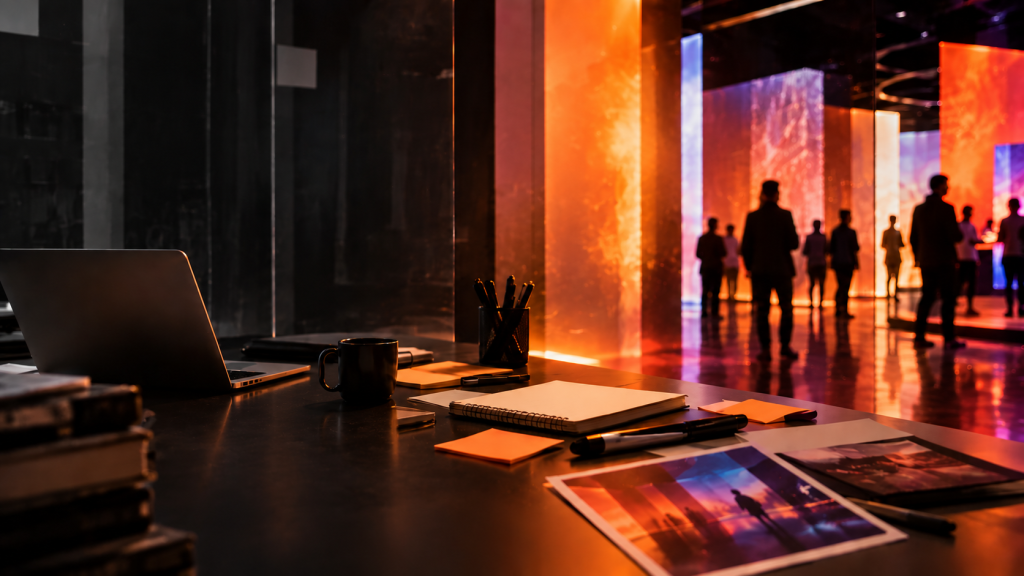
The physical environment plays a central role in building emotions. Elements such as warm lighting, vintage furniture, old-style typography, cozy textures, and nostalgic soundtracks help create an atmosphere capable of evoking emotional memories, even in consumers who never lived through that era.
This strategy has been widely used in retail experience projects, especially in concept stores, coffee shops, and Instagrammable spaces. The goal isn’t just to create a beautiful space, but to stimulate sensations that make consumers stay longer and build an emotional relationship with the brand.
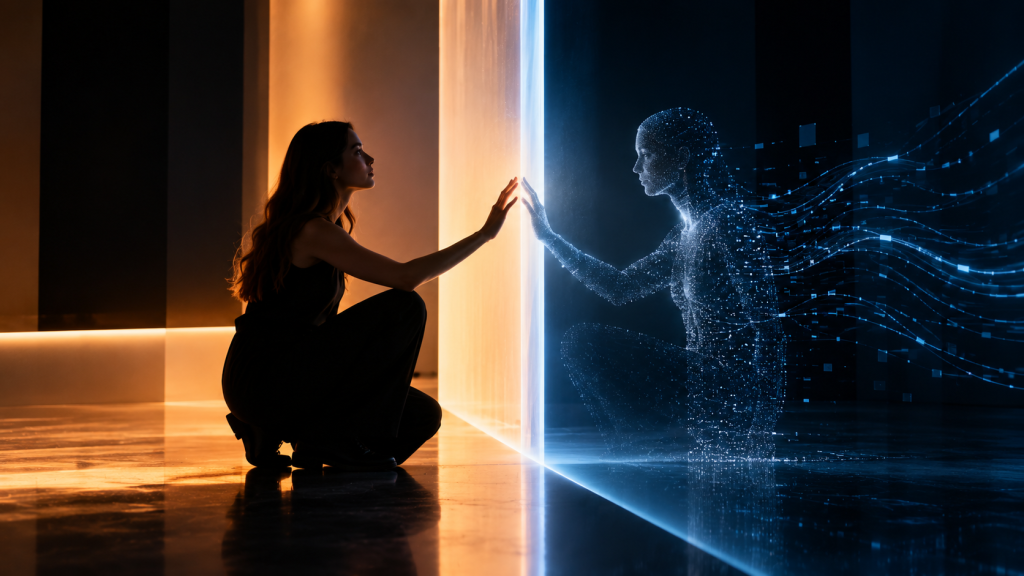
Beyond retro aesthetics, technology has expanded brands’ ability to create immersive and emotionally striking experiences. Features such as interactive projections, artificial intelligence, sound design, dynamic lighting, and responsive environments help turn the physical space into a multisensory experience.
In practice, this means consumers don’t just observe the environment; they feel it, interact with it, and create memories within it, something essential in retail experience strategies focused on emotional connection.
Storytelling and brand identity
Nostalgia doesn’t need to, and shouldn’t, be applied only to the physical space. It should also be present in the brand narrative, in campaigns, and in the way products are presented to consumers. After all, everything within a brand communicates.
Brands that know how to use nostalgia in retail understand that the focus isn’t on reproducing the past literally, but on reinterpreting cultural symbols in a contemporary and relevant way, giving them new meaning for a new generation.
Investing in packaging inspired by specific decades, capsule collections, themed activations, and campaigns that revive emotional references are just a few worthwhile ideas with great potential, as they help create instant identification between brand and consumer.
Emotional storytelling strengthens the sense of belonging because it makes consumers see the brand as part of a collective memory. And when there’s an emotional connection, consumption stops being purely rational and becomes experiential.
Sensory and interactive experiences at the POS
Building an emotional experience at the point of sale comes down directly to sensory stimuli. Music, scent, lighting, texture, and interaction all shape how shoppers perceive the space and relate to the brand.
In the context of anemoia, these elements help intensify the feeling of nostalgia and make the experience more immersive. A scent that recalls childhood, a playlist inspired by a particular decade, or even retro-looking décor can spark emotions that increase dwell time in the store and encourage spontaneous sharing on social media.
From a neuroscience perspective, nostalgic experiences activate brain areas tied to emotion, reward, and a sense of belonging. That’s because sensory stimuli such as scent, music, and emotionally charged images have a strong ability to tap into emotional memories and trigger positive responses in the brain.
In retail, this emotional connection directly influences perceived value, dwell time, and purchase intent. That’s why brands that invest in sensory experiences are able to create more memorable spaces and boost consumer engagement organically.
More than aesthetics, all of these tips are about strategy. Good design, storytelling, and sensory interactions create memorable experiences that strengthen branding, expand engagement, and contribute directly to the brand’s perceived value.
The future of emotional retail: brands that stir feelings build longer-lasting connections
The future of brick-and-mortar retail is increasingly tied to experience, emotion, and the creation of meaning. In a market where products can be easily replicated, differentiation hinges on a brand’s ability to build human connection.
In this landscape, anemoia emerges as a strategic tool for turning commercial spaces into warm, welcoming, and memorable environments. By bringing together aesthetics, narrative, and sensory design, brands can create experiences that stay in shoppers’ memories long after the purchase.
In the future of retail, technology and emotion will no longer work separately. The most relevant brands will be those that can combine data, sensory experience, and human behavior to create spaces that are increasingly personalized, emotionally resonant, and memorable.
And seen in this light, anemoia is no longer just an aesthetic trend—it becomes a strategy for emotional connection in today’s retail. Far from a passing fad, nostalgia is establishing itself as an important resource for strengthening branding, increasing engagement, and building deeper relationships between people and brands.
Inscreva-se em nossa Newsletter
Receba no seu email todas as novidades do nosso blog sobre tecnologia e varejo, além de ficar por dentro do novos projetos Alice Wonders.
Thank you for subscribing.
Something went wrong.
Respeitamos sua privacidade e levamos a sério a sua proteção