Fan Zone no Varejo: Como Transformar Lojas em Espaços de Engajamento e Comunidade Comentários desativados em Fan Zone no Varejo: Como Transformar Lojas em Espaços de Engajamento e Comunidade 526

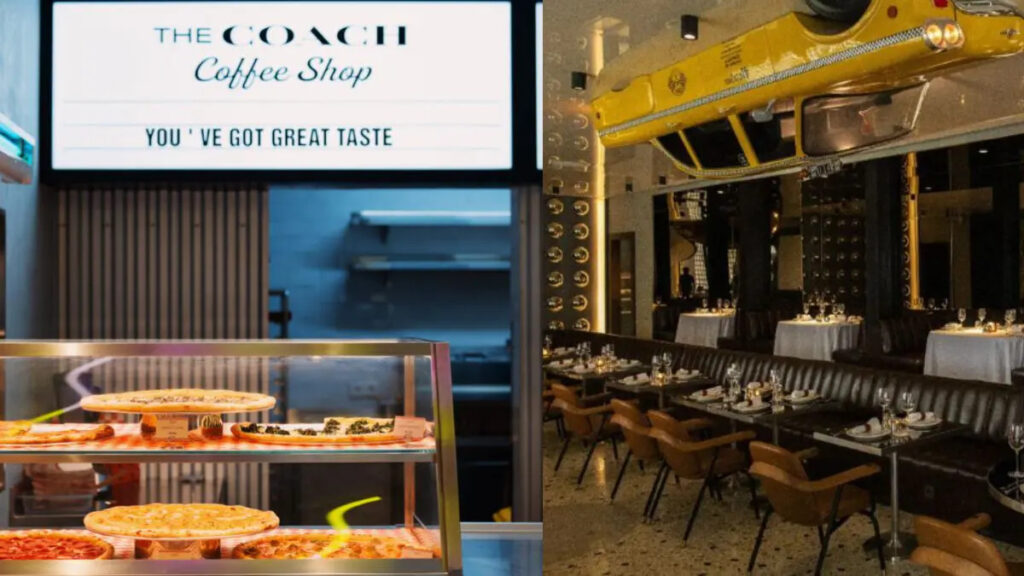
Fan zone in retail combining a branded café and immersive dining experience to strengthen community engagement and customer connection.

O conceito de Fan Zone no varejo está transformando a forma como as marcas utilizam as lojas físicas para gerar engajamento, conexão emocional e senso de comunidade. Em um cenário moldado pelo consumo digital e pelo crescimento do e-commerce, as empresas disputam algo muito maior do que vendas: atenção, relevância e relacionamento de longo prazo com o cliente.

É nesse contexto que o conceito de Fan Zone no varejo vem ganhando força. Tradicionalmente associado a eventos esportivos, festivais de música e experiências de entretenimento, o modelo de Fan Zone surge como uma estratégia capaz de transformar a relação entre consumidores e marcas dentro dos ambientes físicos.

Esse movimento reflete uma transformação mais ampla da própria experiência no varejo. Em vez de espaços puramente transacionais, cresce a demanda por ambientes capazes de gerar estímulos sensoriais, conexões emocionais e experiências compartilháveis.

Com isso, o conceito de loja física como hub de experiências se torna cada vez mais importante. Enquanto os canais digitais oferecem conveniência e agilidade, os ambientes físicos assumem um papel estratégico ligado à interação humana, à memória afetiva e à imersão na marca.

Nesse cenário, a Fan Zone no varejo surge como uma das estratégias mais eficazes para transformar lojas em espaços de relacionamento, engajamento e construção de comunidade. As Fan Zones representam uma das formas mais poderosas de tornar essa visão realidade.

O que é uma Fan Zone no varejo e por que esse conceito se tornou tão relevante?

O conceito de Fan Zone surgiu em grandes eventos esportivos, festivais de música e experiências de entretenimento. Seu objetivo era criar ambientes complementares ao evento principal, oferecendo interações, ativações, conteúdos e experiências coletivas que ampliavam o engajamento do público. Com o tempo, esses espaços deixaram de ser áreas de apoio para se tornarem elementos centrais da experiência como um todo.

O sucesso desse modelo está diretamente ligado ao sentimento de pertencimento que ele gera. Em uma Fan Zone, as pessoas não estão simplesmente consumindo um produto ou assistindo a um evento — elas estão compartilhando emoções, criando memórias e fortalecendo vínculos sociais. Existe um forte componente emocional nessas experiências, e é justamente isso que torna o conceito tão poderoso para as marcas.

A neurociência ajuda a explicar esse comportamento. Experiências coletivas tendem a ativar mecanismos cerebrais associados à recompensa emocional, ao prazer social e à formação de memórias afetivas. Quando os consumidores vivem momentos positivos juntos, o cérebro associa naturalmente essas sensações à marca presente no ambiente. Isso aumenta a percepção de valor, a lembrança de marca e a afinidade emocional.

Ao mesmo tempo, o comportamento do consumidor mudou. O público atual — especialmente as gerações digitalmente conectadas — busca cada vez mais experiências autênticas e marcas com as quais se identifique. Por isso, as iniciativas de Fan Zone no varejo ganharam grande relevância ao criar experiências que estimulam identificação e pertencimento. Nesse contexto, o conceito se torna extremamente estratégico.

O que antes se limitava a estádios e festivais agora está sendo aplicado a lojas físicas, pop-ups, feiras e espaços híbridos. As marcas perceberam que podem aproveitar os princípios das Fan Zones para criar ambientes mais vibrantes, participativos e orientados ao relacionamento. Isso impulsiona uma nova visão da experiência no varejo, na qual o consumidor deixa de ser um comprador passivo e passa a ser um participante ativo da história da marca.

Essa tendência também está intimamente ligada ao conceito de Fantailing, que vem pautando cada vez mais as discussões sobre o futuro do varejo. O Fantailing propõe uma mudança das relações tradicionais de consumo para modelos construídos em torno de fãs, comunidades e engajamento emocional. Em vez de simplesmente vender produtos, as marcas criam ecossistemas de identidade e pertencimento que fortalecem a fidelidade e os relacionamentos de longo prazo.

De acordo com uma pesquisa destacada pela Harvard Business Review, as comunidades de marca fortalecem o sentimento de pertencimento e aumentam o engajamento do consumidor, tornando a conexão emocional uma vantagem competitiva significativa para as empresas que investem em experiências presenciais.

Por que o varejo físico precisa se tornar mais experiencial?

A transformação digital mudou radicalmente a forma como as pessoas compram. Hoje, praticamente qualquer produto pode ser adquirido em segundos, com conveniência e eficiência. A Fan Zone no varejo responde a esse desafio ao transformar os espaços comerciais em pontos de encontro entre marcas e consumidores.

É por isso que o papel da loja física como destino de experiências não para de crescer. Se o consumidor consegue atender às suas necessidades funcionais on-line, os ambientes físicos precisam oferecer algo que os canais digitais não conseguem replicar por completo: interação humana, estímulo sensorial, exploração de produtos e conexão emocional.

Essa mudança impulsionou o crescimento do varejo experiencial, um modelo que transforma lojas em espaços de entretenimento, relacionamento e criação de memórias afetivas. Mais do que vender produtos, os pontos físicos agora entregam experiências significativas. Isso se tornou especialmente importante à medida que os consumidores valorizam cada vez mais propósito, autenticidade e identificação com as marcas.

A tecnologia também desempenha um papel importante nessa transformação. Ferramentas como realidade aumentada, provadores inteligentes, gamificação, inteligência de dados e ativações imersivas ajudam a tornar as experiências de varejo mais personalizadas e envolventes. No entanto, a tecnologia sozinha não basta. É a combinação entre tecnologia e conexão humana que realmente fortalece o conceito de Fan Zone no varejo.

Nesse contexto, a Fan Zone no varejo surge como uma solução estratégica para tornar as lojas mais relevantes e memoráveis. Quando as marcas conseguem unir entretenimento, interação e pertencimento, criam motivos convincentes para que os consumidores passem mais tempo nos espaços físicos.

Como implementar uma Fan Zone no varejo

Colocar esse conceito em prática pode parecer complexo à primeira vista, mas diversos elementos podem ser integrados de forma natural ao ponto de venda para criar espaços que estimulem a troca, a admiração e a interação significativa entre marcas e consumidores.

A loja física se torna mais do que um ponto de venda

Implementar uma Fan Zone no varejo não significa simplesmente criar um espaço bonito ou “instagramável”. O verdadeiro valor está em desenvolver ambientes que estimulem genuinamente a interação social, a participação e a conexão emocional.

Uma das mudanças mais significativas na experiência de varejo é a evolução do papel da própria loja. Os espaços físicos deixaram de se limitar à exposição de produtos — eles se tornam ambientes sociais. Cafés, lounges, áreas de convivência e espaços interativos incentivam visitas mais longas e tornam as experiências mais naturais e confortáveis.

Dentro desse modelo, a loja física como destino de experiências ganha uma nova dimensão. Ela integra estilo de vida, relacionamento, serviços e entretenimento em um único ambiente. Os consumidores a visitam não apenas para comprar, mas também como parte de sua rotina e de sua identidade.

Experiências participativas fortalecem o engajamento e a conexão

As experiências participativas desempenham um papel fundamental na construção de comunidade. Workshops, ativações sensoriais, eventos temáticos, demonstrações ao vivo e experiências imersivas transformam os consumidores em participantes ativos da experiência de marca. Essas interações aprofundam o envolvimento emocional e reforçam a percepção de autenticidade.

A gamificação também se tornou uma ferramenta importante no varejo experiencial. Desafios interativos, recompensas e mecânicas de engajamento estimulam a participação e, ao mesmo tempo, criam experiências mais memoráveis. Do ponto de vista da neurociência, os sistemas de recompensa ativam vias relacionadas à dopamina, associadas ao prazer e à motivação, aumentando tanto o engajamento quanto a retenção emocional.

Tecnologia e personalização impulsionam a construção de comunidade

Em vez de simplesmente contar histórias, as marcas precisam criar experiências baseadas na escuta e na compreensão de seus públicos. Na prática, isso significa usar tecnologia e inteligência de dados para adaptar as experiências de acordo com os interesses e as preferências dos consumidores. Recomendações personalizadas, ativações segmentadas e interações em tempo real tornam as experiências de varejo mais relevantes e humanas.

A construção de comunidade também depende de consistência. É por isso que muitas marcas investem em eventos recorrentes, programas de membros, experiências exclusivas e encontros temáticos. Quanto mais pontos de contato contínuos uma marca cria, mais forte se torna a relação emocional com os consumidores.

Nesse contexto, a Fan Zone no varejo deixa de ser uma estratégia de ativação pontual e se torna uma ferramenta contínua de construção de relacionamento. A loja se transforma em um espaço de interação, experiências compartilhadas e identidade coletiva.

O futuro do varejo é movido por comunidades

Em uma era marcada pelo excesso de informação e pela concorrência acirrada, as marcas que conseguem construir comunidades ocupam um lugar muito mais significativo na vida dos consumidores. A loja física como destino de experiência deixa de ser apenas um ponto comercial e se torna um espaço de conexão, interação e expressão de identidade.

Apesar de toda a inovação tecnológica, o principal diferencial continuará sendo a capacidade de uma marca de criar conexões emocionais autênticas. No fim das contas, os consumidores não querem simplesmente comprar produtos. Eles querem sentir que pertencem, participar de experiências significativas e se conectar com marcas que reflitam sua identidade.

Isso mostra que o futuro do varejo experiencial será cada vez mais centrado no ser humano, orientado por relacionamentos e focado em comunidades. O crescimento do conceito de Fan Zone no varejo evidencia como as lojas físicas estão assumindo um novo papel na jornada do consumidor.

Nesse cenário, investir em experiência no varejo significa entender que os consumidores buscam conexão emocional, interação e momentos memoráveis. A vantagem competitiva já não está apenas nos produtos, mas na capacidade de uma marca de criar experiências significativas e fomentar comunidades.

Ao combinar tecnologia, personalização, entretenimento e relações humanas, o varejo experiencial transforma o papel tradicional das lojas físicas e fortalece conexões duradouras com o público. A evolução do conceito de Fan Zone no varejo demonstra que o futuro do varejo físico está na criação de ambientes que estimulem a interação, o pertencimento e o valor emocional.

No futuro, as marcas mais fortes não serão necessariamente as que mais vendem, mas as que criam significado, conexão e pertencimento. Na nova era da experiência no varejo, os consumidores deixam de ser simplesmente clientes e passam a ser membros ativos das comunidades que as marcas constroem.

Inscreva-se em nossa Newsletter

Receba no seu email todas as novidades do nosso blog sobre tecnologia e varejo, além de ficar por dentro do novos projetos Alice Wonders.

Thank you for subscribing.

Something went wrong.

Previous ArticleNext Article

Customer journey in physical retail: How to reduce friction and increase conversion Comentários desativados em Customer journey in physical retail: How to reduce friction and increase conversion 737

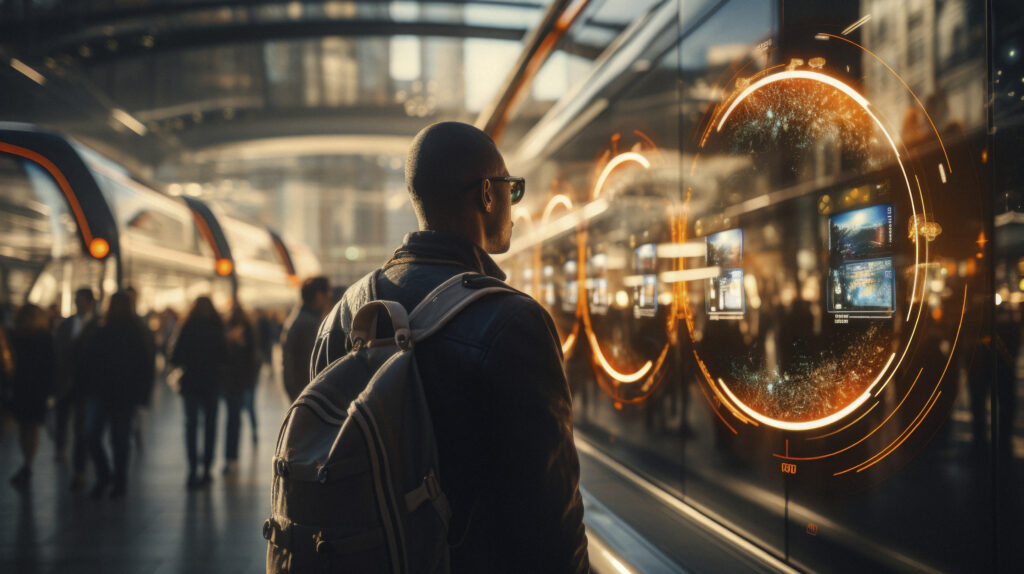
Consumer interacting with immersive digital technology in a connected retail environment, representing the future of customer journey and smart retail experiences.

More than spaces designed to sell products, stores have become environments for experience, relationship-building, and brand value creation. In an increasingly connected landscape, understanding the customer journey in physical retail has become essential for companies looking to improve competitiveness and drive better results.

Today, purchase decisions are no longer made only in front of the shelf. Consumers research online, compare prices on their smartphones, discover products through social media, and arrive at the store already carrying expectations around convenience, speed, and personalization.

In this context, even small friction points in the customer journey can directly impact brand perception and reduce in-store conversion. These frictions may seem harmless, but they increase customers’ cognitive effort and make the experience more exhausting.

At the same time, brands that successfully structure a more intuitive and integrated customer journey in physical retail increase dwell time, strengthen relationships, and improve conversion rates. This happens because experience directly influences behavior, emotions, and decision-making.

For this reason, experiential marketing in retail is no longer just a branding strategy — it now plays a central role in driving performance. Beyond creating visually attractive spaces, the goal is to develop experiences capable of reducing mental effort, simplifying choices, and strengthening emotional connection.

Why Friction Directly Impacts Conversion

The relationship between experience and performance has never been more evident in retail. In a market where convenience has become a basic expectation, any obstacle that creates frustration or additional effort can directly compromise in-store conversion.

The customer journey in physical retail is made up of multiple micro-moments of decision-making. Every interaction inside the store influences the consumer’s emotional perception — from the ease of finding products to the speed of checkout. When the experience becomes tiring, the brain naturally looks for shortcuts to reduce effort, increasing the likelihood of abandonment.

Customer journey friction emerges precisely in these moments of difficulty. It can be related to confusing store layouts, poor signage, excessive visual information, or a lack of integration between digital and physical channels. While these issues may appear operational, they directly impact both the experience and the brand’s perceived value.

Neuroscience helps explain this behavior. The human brain constantly seeks to conserve mental energy. When consumers are forced to deal with too many stimuli or make multiple decisions in sequence, decision fatigue occurs. In these situations, people tend to abandon the purchase or choose faster and simpler alternatives.

This explains why organized and intuitive environments tend to generate more positive experiences. A well-designed store layout reduces cognitive effort, improves navigation, and enhances the perception of convenience. Disorganized spaces, on the other hand, increase feelings of anxiety and can compromise the entire experience.

In this scenario, experiential marketing becomes essential for creating smoother, more intuitive, and emotionally comfortable journeys. The lower the mental effort during the purchase process, the greater the chances of conversion.

How to Map the Customer Journey Inside Physical Stores

Before reducing friction and increasing conversion, retailers first need a deep understanding of the customer journey inside physical stores and the factors that directly impact the consumer experience. Only then is it possible to create more strategic business initiatives.

Data and Technology as Strategic Allies

Today, technologies such as heatmaps, smart sensors, computer vision, and in-store analytics help retailers identify traffic patterns, dwell time, and high-interest areas. These tools make it possible to understand where consumers slow down, which spaces create confusion, and when abandonment rates increase.

Technology further strengthens this process. CRM platforms, artificial intelligence, and predictive analytics help retailers interpret behavior in real time and adapt experiences more strategically. The greater the integration between physical and digital data, the lower the friction throughout the customer journey.

Store Layout Directly Influences Decision-Making

In this context, store layout plays a strategic role. When circulation feels intuitive and products are organized logically, consumers find solutions more easily and tend to spend more time inside the environment. A disorganized store layout, however, increases cognitive effort and makes decision-making more difficult.

Within retail experience strategies, the physical space works almost like a navigation interface. Just as with apps and websites, the experience must feel fluid and intuitive. Every detail of the environment influences behavior, value perception, and in-store conversion.

Story Listening: Listening to Consumers Becomes Part of the Experience

Beyond quantitative analysis, understanding consumer emotions and perceptions is equally essential. Satisfaction surveys, behavioral observation, interviews, and comment analysis help brands identify pain points that often do not appear in operational reports.

In this context, the concept of Story Listening gains relevance within experiential marketing. More than simply telling stories to consumers, brands begin actively listening to customers through behaviors, interactions, and data. This approach enables experiences that align more closely with real customer expectations.

Strategies to Reduce Friction in the Customer Journey

Now that we understand the customer journey and the possible friction points affecting in-store experiences, it is time to implement strategies designed to reduce these barriers.

How Store Layout Influences Behavior and Dwell Time

After mapping behaviors and identifying bottlenecks, the next step is implementing strategies capable of making the experience more intuitive and efficient. More than improving aesthetics, the goal is to reduce cognitive effort, simplify decisions, and increase in-store conversion.

One of the main strategies involves optimizing store layout and circulation flow. The physical environment directly influences consumer behavior, dwell time, and interaction with products. A strategic layout creates natural navigation paths, facilitates product discovery, and reduces feelings of effort.

When consumers quickly understand the organization of the space, the experience becomes smoother and more enjoyable. On the other hand, excessive visual stimuli, disorganized aisles, and poor signage increase fatigue and may lead to abandonment.

Beyond functionality, sensory elements also strongly influence behavior. Lighting, music, scents, and spatial organization impact emotions, memory, and perceived value. This reinforces the role of experiential marketing in creating more immersive retail environments.

Neuroscience and Decision-Making in Physical Retail

Another important strategy is simplifying decision-making. Consumers tend to buy faster when they can understand value quickly and clearly. Clear visual communication, intelligent categorization, and intuitive organization help the brain process information with less effort.

Neuroscience shows that organized environments reduce cognitive overload and increase feelings of comfort. In this context, store layout once again becomes strategic by improving navigation and product discovery.

Reducing checkout friction is also essential to improving the customer journey in physical retail. Even after a positive experience, slow or bureaucratic processes can negatively impact the final perception of the brand.

This is why solutions such as contactless payments, self-checkout, PIX alternatives, and simplified pickup systems help reduce waiting times and increase convenience. Within retail experience strategies, speed is also part of the experience. Consumers expect fast and integrated processes, especially in omnichannel journeys.

Omnichannel and the Human Role in Customer Experience

The integration between online and offline channels has become indispensable for reducing customer journey friction. Today, consumers expect continuity across every brand touchpoint.

Omnichannel strategies such as click-and-collect, integrated inventory, QR codes, and data-driven personalization help create smoother and more connected experiences. In addition, concepts such as ROPO (Research Online, Purchase Offline) demonstrate how digital environments directly influence in-store conversion.

Even with technological advancement, the human factor remains decisive. Sales associates are no longer purely operational professionals — they have become facilitators of the experience. Consultative service, personalization, and agility directly influence brand perception and purchase intent.

In addition, sales associates equipped with technology can access purchase history, verify inventory in real time, and deliver more contextualized experiences. In the world of retail experience, human connection remains one of the most important competitive differentiators.

The Future of the Customer Journey in Physical Retail

The future of retail will become increasingly connected, intelligent, and data-driven. Technologies such as artificial intelligence, automation, predictive analytics, and computer vision are expected to transform the customer journey in physical retail even further.

Real-time personalization will likely become one of the industry’s main competitive advantages. Based on behavior, preferences, and purchase history, brands will be able to adapt experiences, offers, and communication more dynamically.

At the same time, the evolution of phygital retail will continue reducing the barriers between online and offline channels. More connected stores, immersive experiences, and full channel integration are expected to redefine the concept of retail experience in the coming years.

However, although technology will continue gaining importance, consumers will still seek human, intuitive, and emotionally relevant experiences. Innovation will not replace experience — it will function as a tool to make it more efficient, personalized, and memorable.

In this scenario, brands capable of reducing customer journey friction, structuring integrated experiences, and using data strategically will have greater chances of increasing in-store conversion and strengthening long-term customer relationships.

More than selling products, physical retail is now competing through its ability to create fluid, relevant, and emotionally connected experiences. In doing so, brands begin valuing not only purchase decisions, but also the consumer’s most valuable asset: time.

Inscreva-se em nossa Newsletter

Receba no seu email todas as novidades do nosso blog sobre tecnologia e varejo, além de ficar por dentro do novos projetos Alice Wonders.

Thank you for subscribing.

Something went wrong.

Point-of-Sale Technology: How to Innovate Without Losing Strategy Comentários desativados em Point-of-Sale Technology: How to Innovate Without Losing Strategy 499

Immersive point-of-sale technology activation by Carolina Herrera in a physical retail environment

Point-of-sale technology is transforming how consumers interact with brands, products, and physical spaces. Today, investing in retail innovation is no longer just a competitive advantage — it has become essential for creating more fluid, connected, and strategic customer experiences.

This behavior is also connected to how the brain processes expectations and rewards. Consumers who are used to fast and personalized digital experiences tend to develop lower tolerance for friction, long lines, and unintuitive processes in physical environments.

As a result, integrating technology, convenience, and experience is no longer simply a trend. It has become part of building journeys that are more aligned with contemporary consumer habits.

However, amid the race for more modern and interactive experiences, many companies still make the same mistake: implementing technological solutions based solely on visual impact or novelty effect, without considering strategy, consumer behavior, and the actual goals of the operation.

This is precisely where point-of-sale technology stops being an advantage and starts generating noise, complexity, and even frustration throughout the shopping journey. In today’s retail landscape, innovation does not necessarily mean having the most sophisticated solution, but rather creating experiences that are more fluid, intelligent, and relevant.

When we talk about true innovation in physical retail, we are referring to experiences where technology, space, and customer experience work together to simplify journeys, strengthen brand perception, and generate measurable business results.

In this scenario, concepts such as phygital retail, personalization, and data intelligence become even more relevant, transforming the point of sale into an increasingly strategic environment for building better retail customer experiences.

In this article, you will understand how to choose, implement, and measure technological solutions strategically within the point of sale — going beyond trends and focusing on what truly creates impact for both consumers and businesses.

The New Role of Point-of-Sale Technology

For many years, technology in physical stores was primarily associated with operational automation: payment systems, inventory control, and sales management. Today, however, the landscape is completely different. Point-of-sale technology now plays a central role in shaping customer experience, influencing brand perception, relationships, and purchasing behavior.

The point of sale is no longer just a transactional environment. It has become a space for connection, discovery, and experimentation. In this context, digital resources help create journeys that are more fluid, personalized, and integrated with contemporary consumer habits.

More than simply digitizing processes, modern retail seeks to create experiences that combine convenience, sensory engagement, and data intelligence within the same environment. The growth of e-commerce, social media, and mobile apps has completely transformed consumer expectations regarding physical stores.

Today, consumers expect the same level of agility, personalization, and integration found in digital channels to also exist within physical retail spaces. This behavior reinforces the concept of phygital retail, where the boundaries between online and offline become increasingly invisible.

When strategically implemented, technology becomes almost invisible within the physical environment, acting as a journey facilitator and directly contributing to better retail customer experiences.

How to Choose Technologies That Truly Make Sense for the Point of Sale

Choosing the right technologies for the point of sale may seem challenging, but there are several highly relevant factors that can help brands select the best solutions for both their audience and business goals.

Start with the problem, not the tool

Before investing in any solution, the first step should be understanding which operational and customer journey challenges need to be solved. The most efficient technology is not always the most sophisticated one, but rather the solution that addresses real business needs.

Long lines, poor in-store navigation, low conversion rates, limited product interaction, and lack of omnichannel integration are all examples of problems that can be solved through well-structured point-of-sale technology strategies. When implementation starts with clear objectives, innovation stops being purely aesthetic and begins generating concrete impact on performance, brand perception, and customer experience.

Understanding the store context is essential

Not every solution works equally well across different retail formats. What makes sense for a flagship store may not be relevant for a smaller shopping mall location, for example. That is why implementing point-of-sale technology should consider factors such as:

  • Customer flow
  • Consumer behavior
  • Brand positioning
  • Purchase journey
  • The role of the store within the omnichannel strategy

In addition, the physical environment directly influences how technology is perceived and used. Layout, visual communication, lighting, and spatial experience must work together to create intuitive and cohesive experiences.

Useful experiences matter more than “wow” experiences

In practice, efficient experiences tend to create more impact than purely technological activations. This happens because the brain naturally responds more positively to intuitive journeys with lower cognitive effort.

Solutions such as self-checkout systems, smart fitting rooms, digital shelf labels, contextual QR codes, and physical-digital inventory integration demonstrate how innovation in physical retail can be applied strategically and functionally. More than surprising consumers, technology must improve the experience in practical, natural, and relevant ways.

The Importance of Integrating Technology and Operations

An efficient technological experience depends not only on the selected tool but also on the operation’s ability to sustain it daily. Team training, systems integration, maintenance, and internal process adaptation are all essential factors for ensuring that technology genuinely contributes to the customer journey.

When poorly implemented, digital solutions can generate delays, operational failures, and frustrations that directly impact retail customer experience. That is why innovation and operations must evolve together.

Data and Measurement: How to Evaluate Whether Innovation Works

More than simply collecting information, modern retail is evolving toward a Story Listening approach — a concept based on actively interpreting consumers through data, behavior, and interactions within physical spaces.

In this context, point-of-sale technology no longer functions solely as an operational tool. It also helps brands interpret navigation patterns, consumer preferences, and stimuli that influence purchasing behavior.

For innovation to generate real value, retailers must monitor indicators capable of measuring the impact of implemented solutions within the point of sale. Metrics such as:

  • Dwell time
  • Customer flow
  • Conversion rate
  • Average ticket value
  • Engagement and interaction

All help determine whether a given technology contributes to business goals. Within the context of point-of-sale technology, data-driven decisions are becoming increasingly essential for optimizing investments and creating more efficient experiences.

Additionally, sensors, heat maps, artificial intelligence, and analytics systems enable brands to better understand customer behavior inside physical stores. These insights help optimize layouts, product displays, visual communication, and even circulation journeys within the environment.

As a result, point-of-sale technology evolves from operational support into a major source of strategic intelligence for retail businesses. In today’s market, innovation should not be treated as a static project, but rather as an ongoing process of learning and adaptation.

Implementing pilot projects, testing formats, and analyzing results before scaling solutions helps reduce risks and improve efficiency. This experimentation mindset is essential for following consumer behavior transformations and creating experiences that align with evolving market demands.

Retail Technology Trends and the Future of the Point of Sale

With technology constantly evolving, it is expected that new innovations will continue impacting consumer purchasing journeys. Staying updated on retail technology trends and the future of the point of sale is becoming increasingly essential.

Artificial intelligence is already transforming personalization in physical retail, enabling more contextualized, dynamic, and efficient experiences. Intelligent recommendations, automated customer service, and predictive analytics are among the applications expected to grow significantly in the coming years.

Physical stores are also consolidating themselves as strategic media and communication channels. Digital screens, contextual content, and segmented campaigns expand opportunities for connection between brands and consumers within the point of sale.

The future of retail is not about separating physical and digital experiences, but rather creating increasingly fluid journeys between both worlds. In phygital retail, technology stops being an isolated element and becomes naturally integrated into consumer behavior.

Beyond customer experience, technology will also gain relevance in operational efficiency and sustainability initiatives. Solutions that reduce waste, optimize energy consumption, and improve resource management are becoming increasingly strategic for modern retail.

Technology will continue transforming physical retail in the years ahead, but the true competitive advantage will lie in how it is applied. More than investing in trends, brands will need to create relevant experiences aligned with consumer behavior and business objectives.

Ultimately, the best point-of-sale technology is the one that improves the customer journey without distracting from the experience itself. In the future of retail, innovation will not be measured solely by visual impact, but by its ability to generate connection, efficiency, and real value for both consumers and brands.

Inscreva-se em nossa Newsletter

Receba no seu email todas as novidades do nosso blog sobre tecnologia e varejo, além de ficar por dentro do novos projetos Alice Wonders.

Thank you for subscribing.

Something went wrong.

Most Popular Topics

Editor Picks

Send this to a friend